High Drop-out Rate Alert
30% of students drop out or transfer from this specific course. Consider asking why on an open day.
BSc Sport and Exercise Sciences
About this course
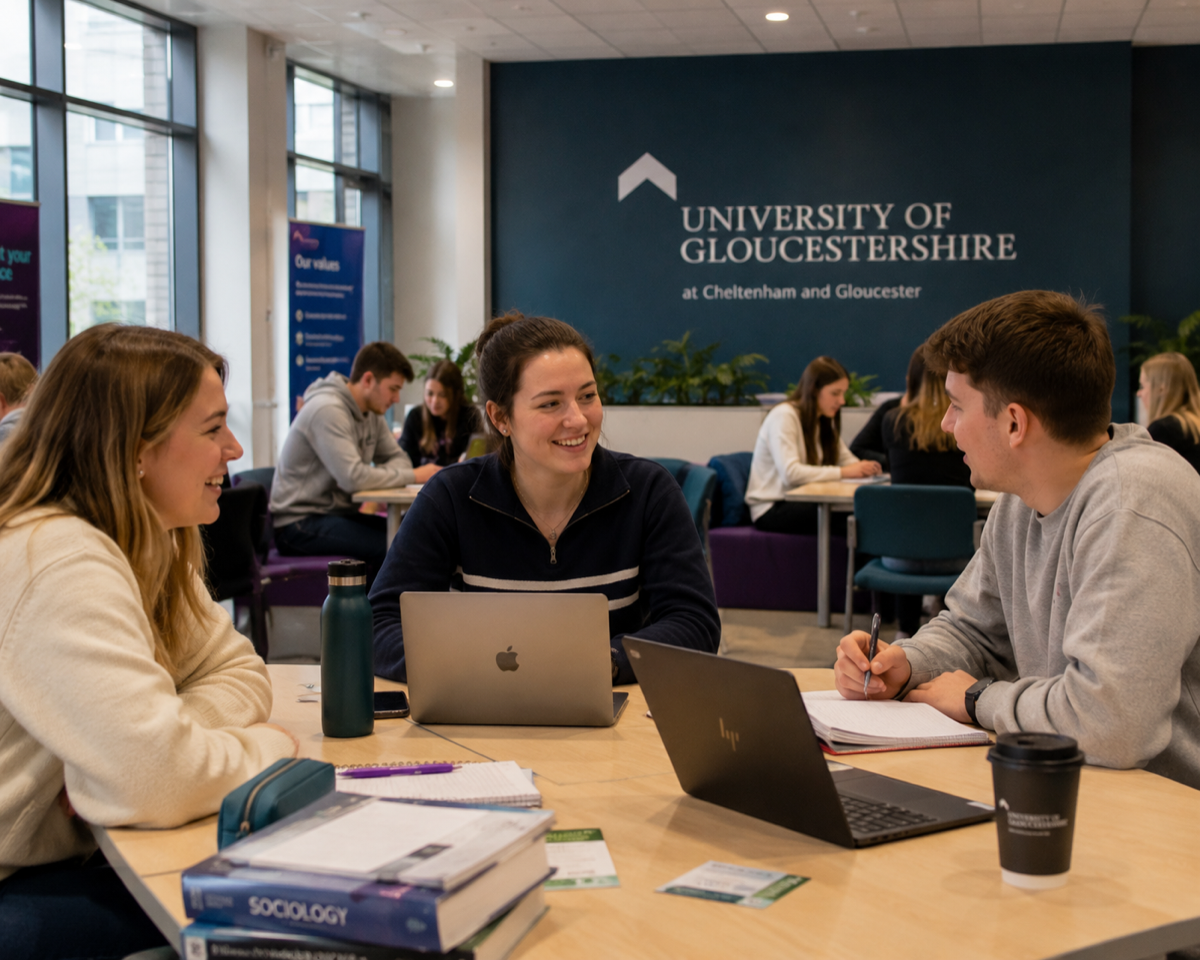
Sport and exercise sciences applies the methods of biology, physiology, psychology, and biomechanics to the study of human physical performance and health. The discipline asks how the body responds and adapts to exercise, what limits performance and how those limits can be pushed, how psychological factors influence athletic achievement, and how physical activity contributes to long-term health and wellbeing. It is a field that matters both at the elite end of sport and in the much broader public health challenge of keeping populations active and healthy. At Gloucestershire, this three-year degree provides a thorough grounding in the underpinning sciences, developing your ability to analyse human movement and performance using the frameworks and methods of exercise physiology, sport psychology, and biomechanics. You will work in laboratory settings using the equipment and techniques used by practitioners in elite sport and healthcare, and will develop the research skills to evaluate evidence critically and apply it to real problems. Gloucestershire's connections with the professional sport sector in the region have given students the opportunity to gain practical experience in high-performance environments, including work with elite football and rugby clubs, developing an understanding of what sport science looks like in practice at the highest levels of the sport industry. Sport and exercise sciences graduates move into roles in performance analysis, strength and conditioning, sport psychology support, fitness instruction, and health and exercise consultancy. Many progress to postgraduate study in specialist areas such as sport and exercise physiology, sport psychology, or strength and conditioning, which provides the additional qualification typically required for roles at the elite end of the sport sector. Others move into health promotion, physical activity co-ordination, rehabilitation support, or sports development within local authorities, national governing bodies, and the charitable sector.
Syllabus & Modules
Typical curriculumStudent Satisfaction
National Student Survey - 15 respondents (81% response rate)
Similarly Ranked Alternatives
What comes next? 🎓
Choosing the right university starts with choosing the right school. Explore transparent, data-driven school profiles powered by official DfE statistics.
Explore Schools on WhatSchool.ai →