High Drop-out Rate Alert
40% of students drop out or transfer from this specific course. Consider asking why on an open day.
BSc Strength, Conditioning and Rehabilitation
About this course
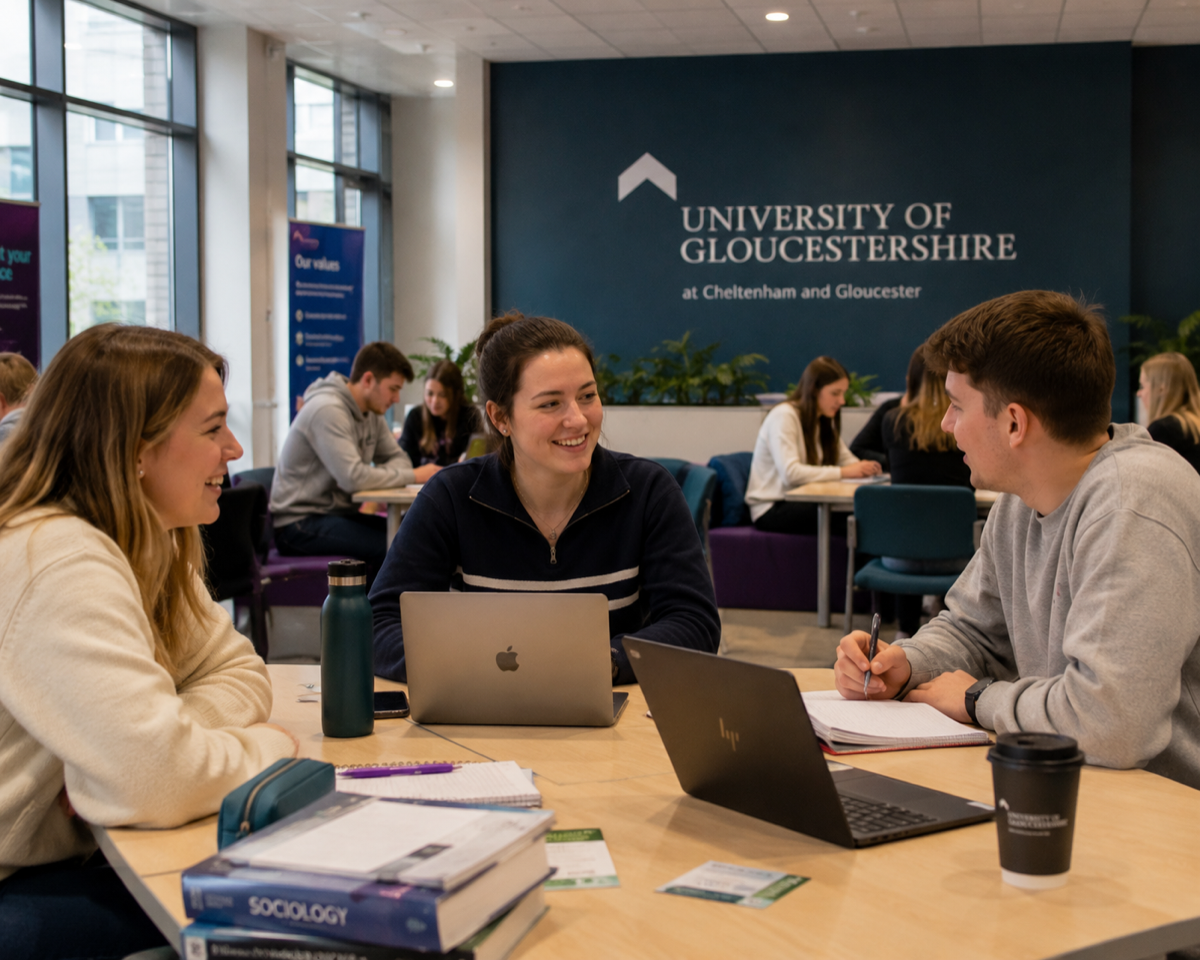
Strength, conditioning, and rehabilitation sits at the meeting point of exercise science, sports performance, and clinical practice. Strength and conditioning coaches work with athletes and active populations to develop physical qualities, including strength, power, speed, and endurance, that underpin performance and reduce injury risk. Rehabilitation specialists use exercise and movement science to support recovery from injury or surgery, helping individuals regain function and return to physical activity. Together, these fields demand a rigorous understanding of anatomy, physiology, biomechanics, and exercise prescription, combined with the practical coaching and communication skills needed to work effectively with people. At the University of Gloucestershire, this three-year, full-time programme prepares you to work across both the performance and the rehabilitation dimensions of the field. You will develop a thorough understanding of how the body responds and adapts to training, how strength and power are developed across different populations, and how exercise-based rehabilitation programmes are designed and delivered. The programme emphasises hands-on practical experience, and placement partnerships span a diverse range of settings, from elite professional sport to youth development and community fitness environments. Past placement partners have included professional rugby, football, and cricket clubs, as well as schools and community organisations, giving you exposure to the full breadth of contexts in which strength, conditioning, and rehabilitation professionals work. A typical entry tariff of 104 points reflects an accessible admissions threshold for a practice-oriented programme. Graduates go on to careers as strength and conditioning coaches in professional and community sport, rehabilitation specialists in clinical and private practice settings, performance analysts, personal trainers working with clinical populations, and sport science support staff. The combination of performance and rehabilitation expertise is particularly valuable in roles that bridge the gap between sport and healthcare. Further study at postgraduate level in sports science, physiotherapy, or strength and conditioning is a common route for those who wish to specialise further or move into clinical registration pathways.
Syllabus & Modules
Typical curriculumStudent Satisfaction
National Student Survey - 15 respondents (94% response rate)
Similarly Ranked Alternatives

What comes next? 🎓
Choosing the right university starts with choosing the right school. Explore transparent, data-driven school profiles powered by official DfE statistics.
Explore Schools on WhatSchool.ai →