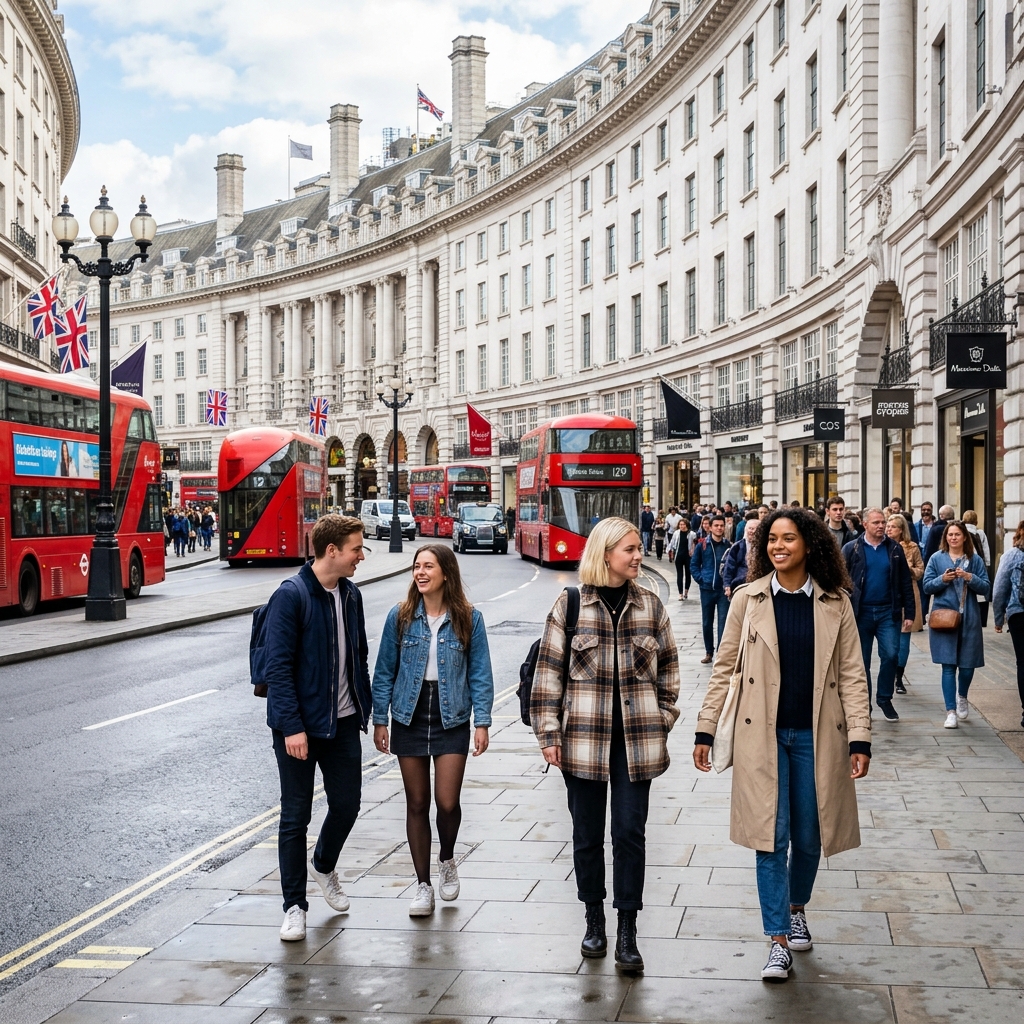
BA Urban Planning and Design with Foundation
About this course
Urban planning and design shapes the physical and social fabric of cities and towns, deciding where homes, workplaces, schools, parks and transport infrastructure go, and how they relate to one another. It is a discipline that sits at the intersection of architecture, geography, law, economics, sociology and environmental science, because the built environment affects everything from health and inequality to climate emissions and community life. Planners and urban designers do not simply regulate development; they actively shape how places function and how people experience them. At the University of Westminster, this programme begins with a foundation year that prepares you for advanced study before you progress onto the full honours degree, making the pathway accessible to students who would benefit from additional preparation. The full programme runs across four years, with a sandwich year placement and integrated work placements built into the structure. These practical elements are particularly valuable in planning, where professional experience and an understanding of how planning operates in the real world are as important as academic knowledge. Westminster's location in London gives you immediate access to one of the world's most complex and dynamic urban environments, and the planning debates, developments and controversies happening across the capital form a living case study for your studies. The typical entry tariff is 120 points. You will develop skills in spatial analysis, site appraisal, planning law, community consultation, design principles and the policy frameworks that govern land use and development. Urban design thinking asks you to consider not just whether development is permitted but whether it is good: whether it creates places that are liveable, sustainable and equitable. Graduates from urban planning and design programmes work in local planning authorities, property development, housing associations, consultancies, transport agencies, regeneration bodies and national government. Further study at postgraduate level in planning, urban design or related fields is another well-established route.
Syllabus & Modules
Typical curriculumStudent Satisfaction
National Student Survey - 15 respondents (100% response rate)
Similarly Ranked Alternatives


What comes next? 🎓
Choosing the right university starts with choosing the right school. Explore transparent, data-driven school profiles powered by official DfE statistics.
Explore Schools on WhatSchool.ai →