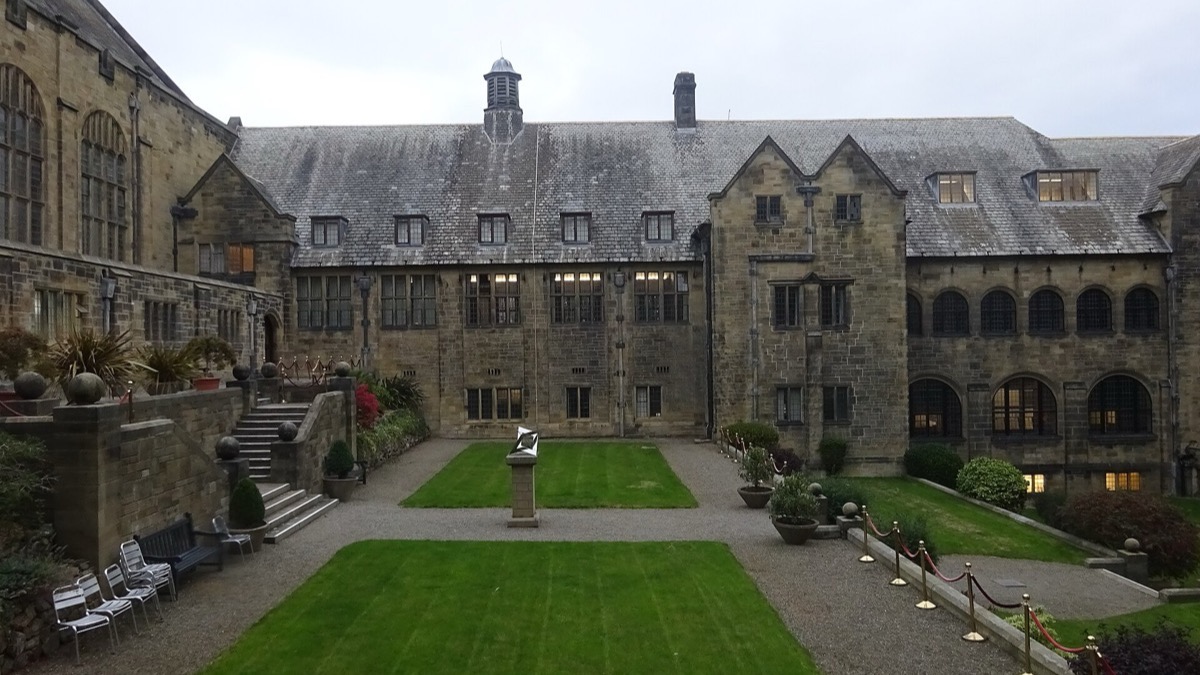
BSc Woodland Management and Conservation
About this course
Woodland management and conservation is a discipline that addresses the stewardship of one of the most ecologically valuable and culturally significant habitats on earth. Woodlands provide timber and a vast range of non-timber forest products, regulate water cycles, sequester carbon, support biodiversity, and offer recreational, psychological, and cultural benefits to people and communities. Managing them well requires ecological knowledge, practical land management skills, and an understanding of the economic, social, and policy contexts in which woodland decisions are made. At Bangor University this three-year full-time programme includes a foundation year, providing additional scientific and practical preparation for students entering from a broader range of backgrounds, as well as a sandwich placement year, a year abroad, and a work placement component, giving you substantial structured professional experience before you graduate. Bangor is situated in North Wales, close to some of the UK's most ecologically significant woodland and upland environments, and the university has a strong tradition in forestry, ecology, and environmental science that informs the depth and practical focus of this programme. You will study woodland ecology, silviculture, conservation biology, land use planning, heritage management, and the economic dimensions of timber and non-timber forest products. The typical entry tariff of 104 points reflects the broad access character of the programme with its foundation year. You will develop fieldwork skills, ecological assessment methods, and the practical woodland management capabilities that employers in forestry, conservation, and land management look for. Graduates go on to work in the Forestry Commission and Forest Research, private forestry, conservation charities, national parks, estate management, environmental consultancy, and carbon and rewilding projects. Postgraduate study in forestry, ecology, or environmental management is a natural next step.
Syllabus & Modules
Typical curriculumStudent Satisfaction
National Student Survey - 95 respondents (70% response rate)
Similarly Ranked Alternatives




What comes next? 🎓
Choosing the right university starts with choosing the right school. Explore transparent, data-driven school profiles powered by official DfE statistics.
Explore Schools on WhatSchool.ai →