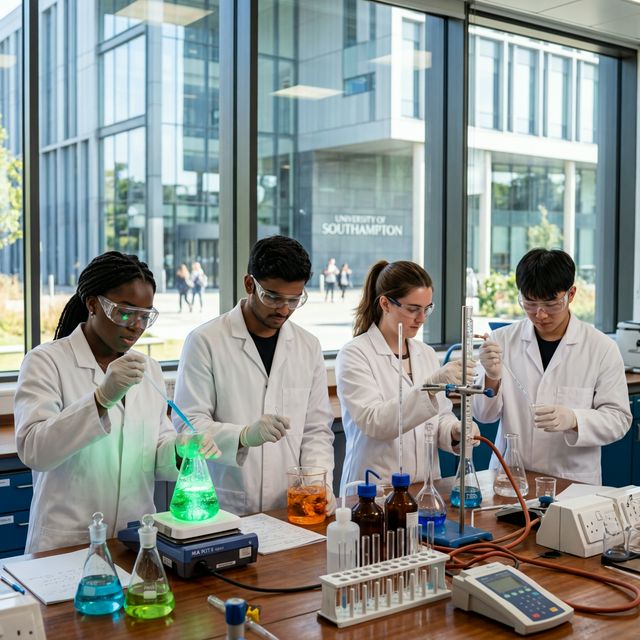
BSc Zoology
About this course
Zoology is the scientific study of animals, encompassing their biology, behaviour, ecology, evolution and conservation. It asks how animals develop from embryo to adult, how they are related to one another across the tree of life, how they interact with their environments and with other species, and how they are responding to global challenges including climate change and habitat loss. The discipline combines fieldwork, laboratory science and quantitative analysis, developing the broad scientific toolkit needed to address the major questions facing animal life on a changing planet. At the University of Southampton, this part-time programme allows you to study the fundamentals of animal development and diversification at a pace that fits alongside other commitments. You will explore the effects of global warming and expanding human populations on animal life and ecosystems, developing both the scientific knowledge and the analytical skills needed to engage with these pressing global challenges. A sandwich placement year is available, providing extended professional experience in a zoological, ecological or conservation context, and work placement opportunities throughout the programme connect your academic study to real research and conservation environments. Zoology graduates pursue careers in conservation science, wildlife management, ecological consultancy, zoological gardens, veterinary science, public health, environmental policy and academic research. Many move into roles with conservation organisations, government environmental agencies, natural history museums, fieldwork-based research groups and international development organisations working on biodiversity and sustainability. Postgraduate study in zoology, ecology, conservation biology or a related field is a common and well-supported route for those who want to develop specialist research expertise or move into senior conservation and research roles. The combination of scientific rigour and field-based skills that the degree develops is particularly valuable in a world where biodiversity loss is among the most urgent challenges facing science and society.
Syllabus & Modules
Typical curriculumStudent Satisfaction
Missing Satisfaction Data
The university has not shared complete student satisfaction records for this specific degree metrics block. You may want to formally explore these topics with the university staff at an open day before committing.
What comes next? 🎓
Choosing the right university starts with choosing the right school. Explore transparent, data-driven school profiles powered by official DfE statistics.
Explore Schools on WhatSchool.ai →