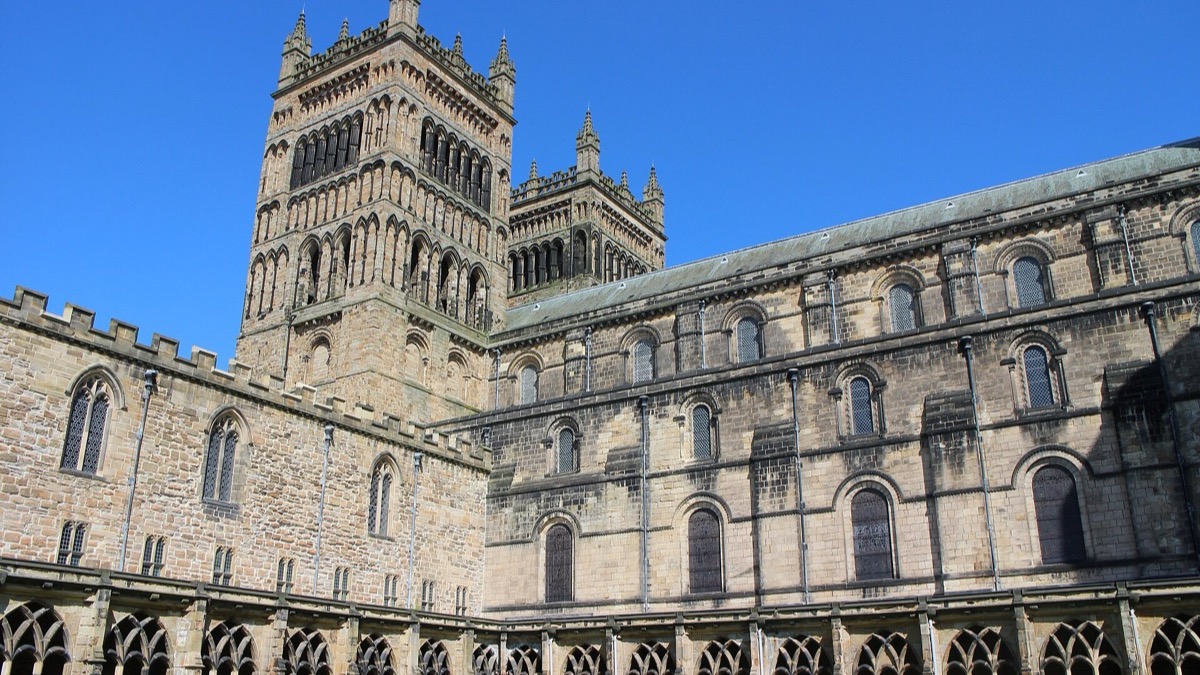
BA Anthropology and Sociology
About this course
Anthropology and sociology both seek to understand social life and human behaviour, but they bring different emphases and methods to the task. Social anthropology has traditionally focused on cultural diversity, ethnographic fieldwork, kinship, ritual and the close study of particular communities, while sociology has concentrated on social structures, inequality, institutions and the forces that shape life in modern industrial societies. Studied together, they produce a richer and more versatile framework for understanding human experience than either discipline offers alone. At Durham University, this three-year full-time programme offers a particularly well-structured set of experiential options. It includes a sandwich year, giving you the opportunity to undertake extended professional or research-related work, a year abroad at a partner institution overseas, and work placement experience integrated into the programme. This combination means that by the time you graduate, you will have moved between academic study and real-world engagement several times, developing both the theoretical grounding and the practical adaptability that employers value. You will study ethnographic methods, sociological theory, comparative cultural analysis, research design and issues of power, identity and inequality across diverse social contexts. Graduates work in international development, public policy, NGOs, social research, government, healthcare, education, journalism and the charitable sector. The qualitative research skills, cultural sensitivity and analytical rigour that this programme develops are genuinely transferable and are sought after wherever organisations need people who can engage thoughtfully with diverse communities or complex social questions. Postgraduate study in social anthropology, sociology, development studies, public policy or related fields is a natural progression for those who wish to specialise further.
Syllabus & Modules
Typical curriculumStudent Satisfaction
National Student Survey - 15 respondents (64% response rate)
Similarly Ranked Alternatives




What comes next? 🎓
Choosing the right university starts with choosing the right school. Explore transparent, data-driven school profiles powered by official DfE statistics.
Explore Schools on WhatSchool.ai →