High Drop-out Rate Alert
25% of students drop out or transfer from this specific course. Consider asking why on an open day.
BA Arabic
About this course
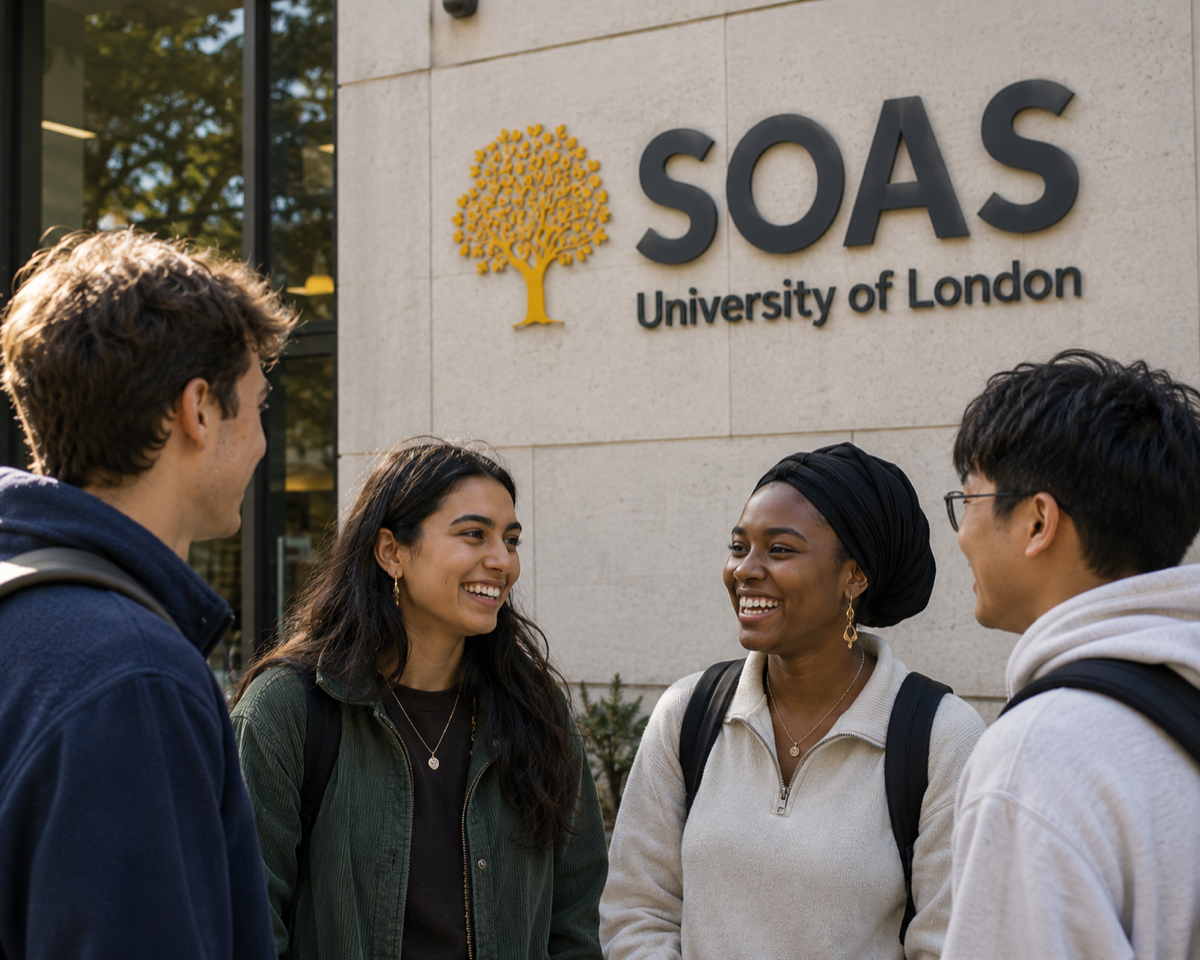
Arabic is one of the world's great languages, spoken by more than 400 million people across the Middle East, North Africa, and beyond, and the vehicle of a literary and intellectual tradition stretching back over a millennium and a half. It is the language of the Quran and of classical Islamic scholarship, and it is also a modern language with distinct spoken dialects that vary considerably across different countries and regions. Studying Arabic gives you access to a vast and rich culture, a geopolitically vital region, and a set of linguistic skills that are in high demand in diplomacy, journalism, business, and international organisations. At SOAS, the UK's only university dedicated to the study of Asia, Africa, and the Middle East, this four-year full-time programme begins with a foundation year that provides additional preparation for students who need it. You will receive training in both the written and spoken forms of Arabic, developing grammatical accuracy, reading comprehension, written composition, and oral proficiency alongside exposure to the cultural, social, historical, and literary contexts in which the language is embedded. SOAS's specialist teaching staff bring research expertise in Arabic linguistics, literature, history, and culture, ensuring that your linguistic training is always enriched by deep subject knowledge. Graduates with Arabic go on to careers in diplomacy, the Foreign Commonwealth and Development Office, international journalism, international development, academia, translation, intelligence, and a wide range of commercial roles in the Middle East and North Africa region. The combination of linguistic fluency and cultural depth that a SOAS Arabic degree provides is rare and genuinely distinctive in the graduate market. Many graduates continue to postgraduate study in Arabic, Islamic studies, Middle Eastern history, or international relations, building on the foundation their degree provides.
Syllabus & Modules
Typical curriculumStudent Satisfaction
National Student Survey - 20 respondents (78% response rate)
Similarly Ranked Alternatives
What comes next? 🎓
Choosing the right university starts with choosing the right school. Explore transparent, data-driven school profiles powered by official DfE statistics.
Explore Schools on WhatSchool.ai →