High Drop-out Rate Alert
20% of students drop out or transfer from this specific course. Consider asking why on an open day.
BA Architecture
About this course
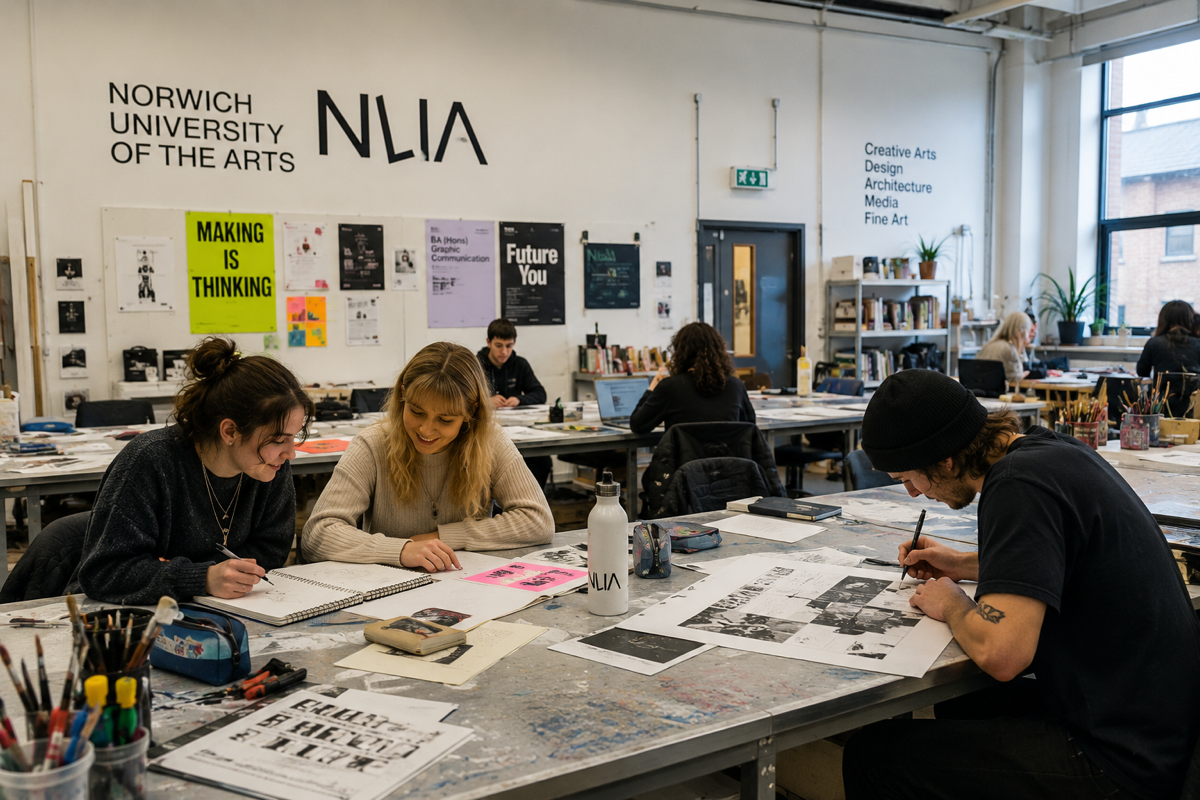
Architecture is the discipline that shapes the built environment, determining not just what buildings look like but how they function, how they relate to their surroundings, and what it feels like to inhabit them. It is one of the most demanding creative disciplines to study, requiring the integration of artistic vision, structural and environmental knowledge, technical drawing and modelling skills, and an understanding of the social, cultural, and economic contexts in which buildings are commissioned and used. An architecture degree is the first stage of a lengthy professional formation, and it sets the conceptual and technical foundations for everything that follows. At Norwich University of the Arts, this four-year, full-time programme is taught within an art and design context that shapes its approach distinctively. NUA places strong emphasis on drawing, making, and critical thinking as the foundations of architectural education, and its studio-based culture means that much of your learning happens through iterative project work rather than lectures alone. You will develop skills in hand drawing, digital design, model-making, and technical construction drawing, alongside an understanding of structures, environmental performance, materials, and building technology. The history and theory of architecture is integral to the programme, and you will develop the ability to situate your own design thinking within broader cultural and intellectual traditions. Norwich itself is a city with a rich architectural heritage spanning medieval, Georgian, Victorian, and modern periods, providing a complex and stimulating context for architectural study. Graduates from the Part 1 degree at NUA can progress to Part 2 postgraduate architectural education, which is required for registration as an architect. Many go on to Part 2 study at NUA or other schools of architecture. Others enter the profession as architectural assistants, working in practice while deciding whether to continue toward registration. Some graduates move into related fields such as interior design, urban design, heritage conservation, or construction project management.
Syllabus & Modules
Typical curriculumStudent Satisfaction
National Student Survey - 20 respondents (90% response rate)
Similarly Ranked Alternatives


What comes next? 🎓
Choosing the right university starts with choosing the right school. Explore transparent, data-driven school profiles powered by official DfE statistics.
Explore Schools on WhatSchool.ai →