
BSc Biochemistry
About this course
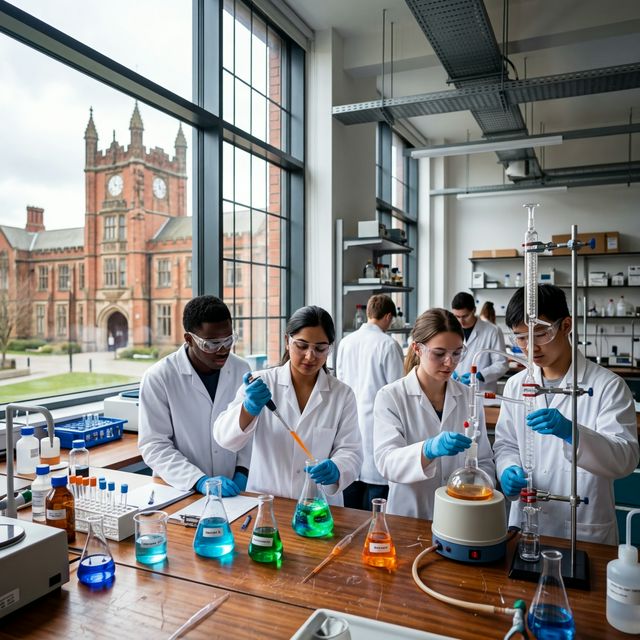
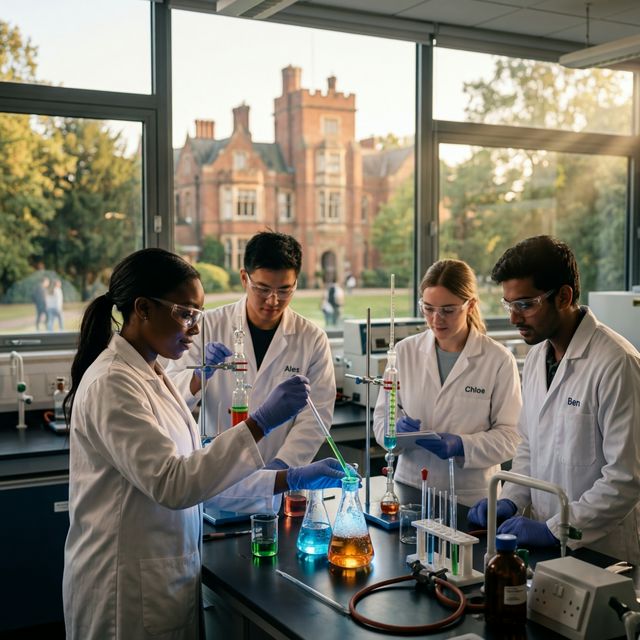
Biochemistry is the molecular science of life, applying the principles of chemistry to understand the structures, functions and mechanisms of the biological molecules on which living systems depend. It encompasses the study of proteins, nucleic acids, carbohydrates and lipids, the metabolic pathways that sustain cellular function, the mechanisms of cell signalling, and the molecular basis of genetic information and its transmission. Understanding these processes at the molecular level is essential for explaining how diseases arise and how drugs can be designed to correct them. At Queen's University of Belfast you will develop a thorough understanding of the concepts and theories that underpin biochemistry, alongside practical laboratory skills in the techniques used to investigate biological molecules and cellular systems. The programme runs over three years full time, building progressively from foundational principles to advanced work in areas such as structural biochemistry, enzyme kinetics, molecular biology and biotechnology. You will develop both theoretical knowledge and the experimental skills that professional scientific work demands. Biochemistry graduates are in demand across the pharmaceutical and biotechnology industries, where they work in drug discovery, development, quality control and regulatory affairs. Clinical laboratory roles within the NHS, research positions in academic and industrial settings, and careers in food science, environmental science and public health all draw on biochemical knowledge. Postgraduate study, including PhD research in biochemistry, molecular biology, pharmacology or related disciplines, is a well-established route for those who want to pursue research careers or move into more senior scientific roles. The analytical and problem-solving skills the degree develops also transfer into management, consultancy and science communication.
Syllabus & Modules
Typical curriculumStudent Satisfaction
National Student Survey - 10 respondents (75% response rate)
Similarly Ranked Alternatives


What comes next? 🎓
Choosing the right university starts with choosing the right school. Explore transparent, data-driven school profiles powered by official DfE statistics.
Explore Schools on WhatSchool.ai →