
BSc Biochemistry
About this course
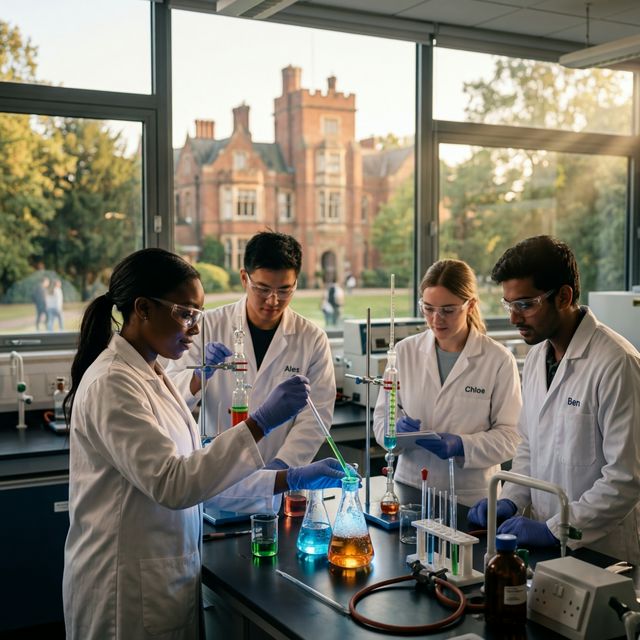
Biochemistry is the molecular science of life. It investigates the chemical processes and substances that occur within living organisms: how enzymes catalyse reactions, how energy is produced and used in cells, how genes are expressed and regulated, how proteins fold into their functional forms, and how these processes are disrupted in disease. It is one of the foundational sciences of modern medicine and biotechnology, providing the molecular-level understanding that underpins drug development, genetic research, diagnostics, and our basic knowledge of how living systems work. At the University of Nottingham, this three-year full-time degree, which is available with a foundation year for students who will benefit from additional scientific preparation before degree-level study, gives you a rigorous grounding in the core areas of biochemistry alongside extensive practical laboratory training. The foundation year provides a thorough introduction to the relevant areas of chemistry and biology before you engage with degree-level biochemistry content. In the main programme you will study molecular biology, cell biology, enzymology, metabolism, genetics, structural biology and bioinformatics, developing both theoretical depth and the practical skills to work in a biological laboratory. A sandwich year placement, a year abroad, and a work placement are all available, giving you significant professional and international experience in research or industry contexts. Nottingham's biochemistry programme benefits from strong research facilities and a department actively engaged in frontier research, which enriches the teaching environment and the research projects available to students. Graduates from biochemistry degrees move into the pharmaceutical and biotechnology industries, clinical and medical research, forensic science, healthcare science, food science, environmental science, academic research, and scientific communication. Postgraduate study at master's or doctoral level is a natural pathway for those who want to pursue research careers or specialist expertise.
Syllabus & Modules
Typical curriculumStudent Satisfaction
National Student Survey - 75 respondents (71% response rate)
Similarly Ranked Alternatives



What comes next? 🎓
Choosing the right university starts with choosing the right school. Explore transparent, data-driven school profiles powered by official DfE statistics.
Explore Schools on WhatSchool.ai →