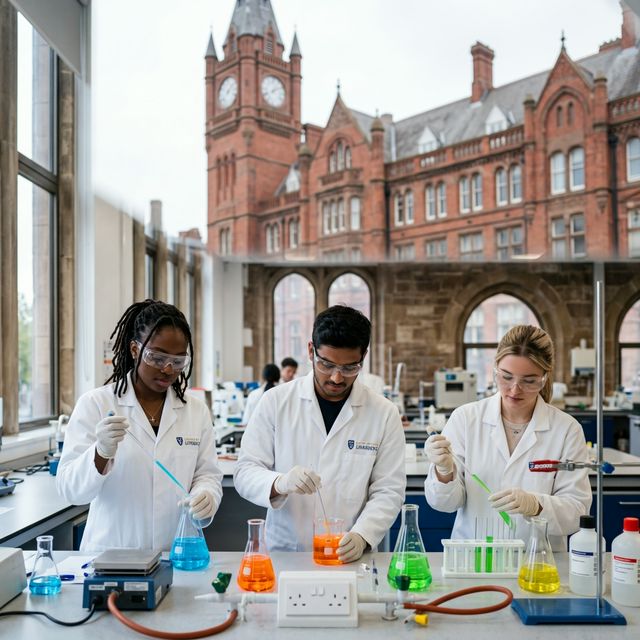
MBiol Biological Sciences (4 Years)
About this course
Biological sciences is the study of life in all its forms, from the molecular machinery inside individual cells to the ecological systems that sustain entire biomes. It is a field of extraordinary breadth and dynamism, driven by the ambition to understand the processes that govern living organisms, how they function, how they develop, how they interact with their environments, and how they have evolved over billions of years. The discipline encompasses molecular and cell biology, genetics, physiology, ecology, evolutionary biology, microbiology, and much more, and it underpins fields as practical as medicine, agriculture, conservation, and biotechnology. At the University of Liverpool, you will study biological sciences over four years of full-time study, with the extended programme including a year abroad that gives you the opportunity to study in a different research environment and to develop an international perspective on the discipline. The curriculum builds from the core principles of cell biology, biochemistry, and genetics in the early years through to more advanced and specialised topics as the degree progresses. You will develop your skills in laboratory techniques, data analysis, and scientific communication, and the programme places a strong emphasis on research skills, with project work at the later stages giving you experience of designing and conducting your own investigations. The year abroad is an opportunity to engage with biological research and teaching in a different institutional and cultural context, which broadens your scientific network and your understanding of how the field operates internationally. Biology graduates enter careers in an unusually wide range of sectors. Biomedical research, pharmaceutical and biotechnology companies, environmental consultancy, conservation, public health, and the food and agriculture industries all employ biologists. Science communication, science policy, and roles in regulatory bodies such as the Medicines and Healthcare products Regulatory Agency are further options. Teaching at secondary level is a significant route for those who want to share their subject with the next generation. Many graduates pursue postgraduate study, whether a master's degree in a specialised area of biology or a doctorate in a research group working at the frontier of the field, and those who want to enter medicine, veterinary medicine, or dentistry may use a biology degree as preparation for graduate-entry professional programmes.
Syllabus & Modules
Typical curriculumStudent Satisfaction
National Student Survey - 65 respondents (57% response rate)
Similarly Ranked Alternatives




What comes next? 🎓
Choosing the right university starts with choosing the right school. Explore transparent, data-driven school profiles powered by official DfE statistics.
Explore Schools on WhatSchool.ai →