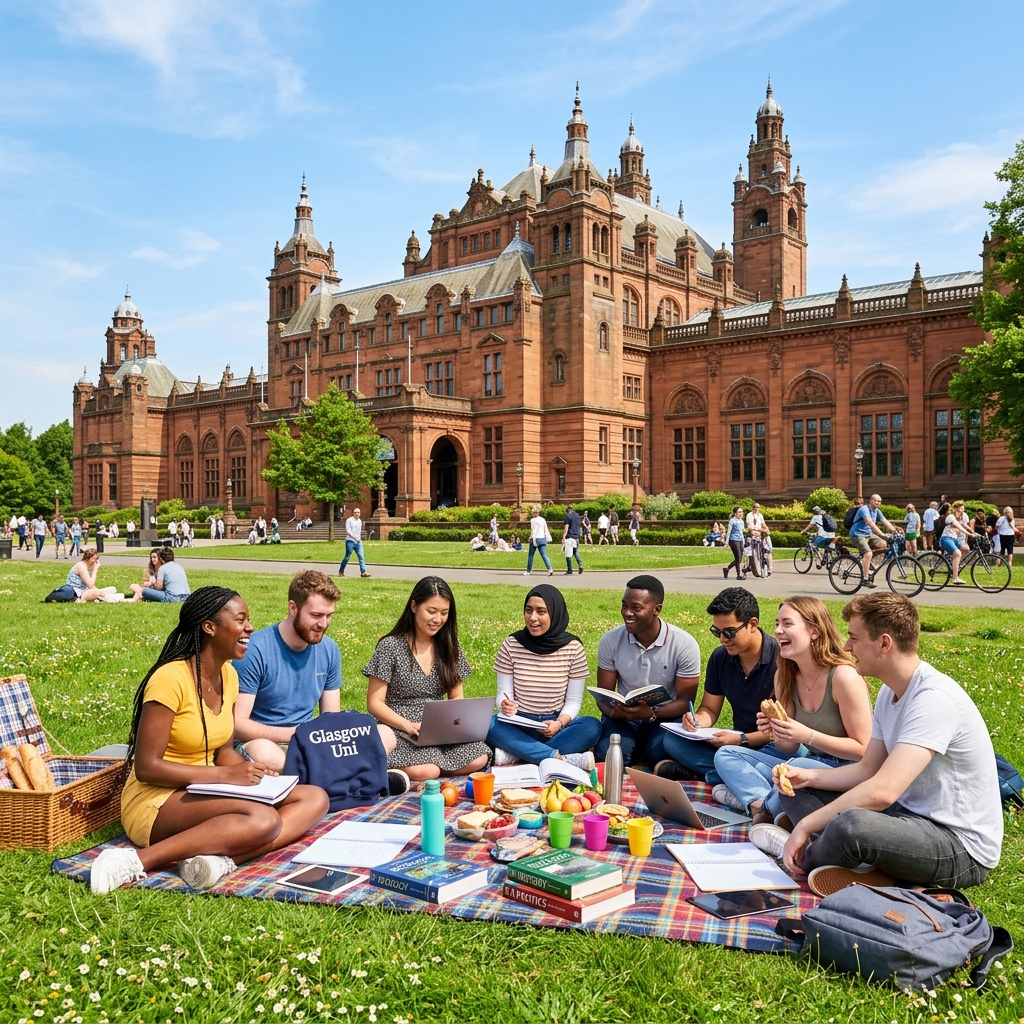
MA(SocSci) Business Economics/Scottish History
About this course
Business economics and Scottish history is a combination that brings together the applied analysis of how economic forces shape business behaviour with a deep engagement with the distinctive history of Scotland from its medieval origins through to devolution and the present. The pairing is less improbable than it might first appear: Scotland's economic history, including the Highland clearances, the industrial revolution that made Glasgow the workshop of the world, the decline of heavy industry, North Sea oil, and the emergence of a modern service economy, is a rich case study in how economic forces transform societies and how societies respond. Business economics, meanwhile, provides the analytical tools to understand those forces with precision. At Glasgow this four-year full-time programme includes a year abroad, adding an international dimension that enriches both the economic and the historical perspectives of your degree. The business economics component equips you with the analytical tools and strategic insights needed to navigate complex economic landscapes, drawing on real-world case studies and current research to build understanding of how economic forces drive business decisions. You will develop skills in economic analysis, quantitative methods, and strategic thinking alongside a command of economic concepts directly relevant to how organisations operate in competitive and regulated environments. The Scottish history component develops your research skills, your ability to analyse historical sources critically, and your understanding of the distinctive political, cultural, and economic trajectories that have shaped modern Scotland. Graduates of this combination find careers in economic consultancy, policy analysis, the civil service, financial services, business strategy, research, journalism, and heritage and education roles where Scottish history expertise is valued. The year abroad strengthens the international dimension of your profile and the combination of economic analysis and historical perspective gives you an unusually reflective and contextualised view of how economies and organisations work. Many graduates continue to postgraduate study in economics, Scottish history, business, or related fields.
Syllabus & Modules
Typical curriculumStudent Satisfaction
National Student Survey - 130 respondents (60% response rate)
Similarly Ranked Alternatives


What comes next? 🎓
Choosing the right university starts with choosing the right school. Explore transparent, data-driven school profiles powered by official DfE statistics.
Explore Schools on WhatSchool.ai →