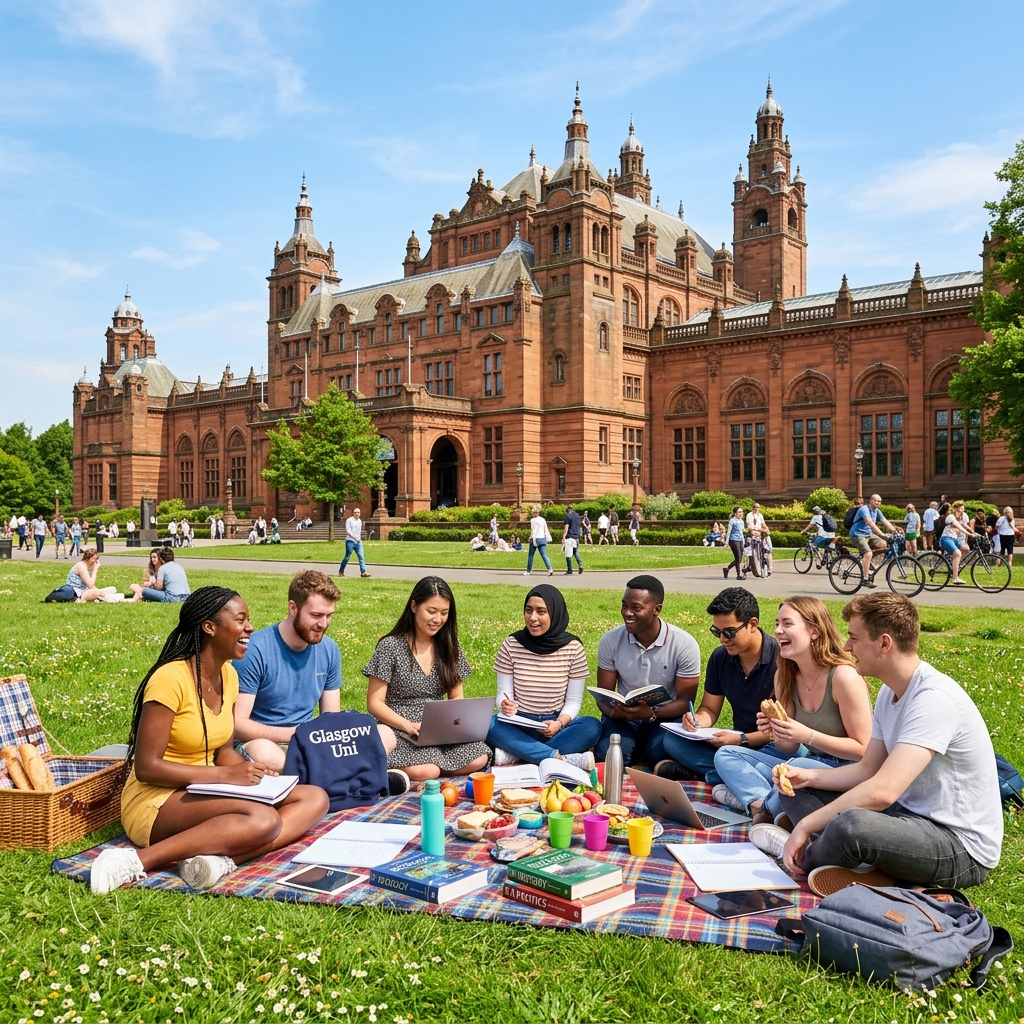
MA(SocSci) Central & East European Studies/Economic & Social History
About this course
Central and East European Studies combined with Economic and Social History is a degree that addresses one of the most consequential and complex regions of the modern world through the dual lenses of area studies and historical social science. Central and Eastern Europe has experienced extraordinary transformation across the twentieth and twenty-first centuries, from the upheavals of two world wars and the rise and fall of communism to the tumultuous aftermath of 1989 and the continuing instability brought by populist politics, the Russo-Ukrainian war, and tensions across the Caucasus and Central Asia. Economic and Social History provides the analytical tools to understand these processes as long-term patterns of development, inequality, and institutional change rather than simply as political events. At the University of Glasgow, this four-year, full-time programme includes a year abroad, which is central to the area studies dimension. You will study the key issues shaping the region from the Baltic to the Balkans and from Berlin to Vladivostok, engaging with the forces of revolution, social change, economic restructuring, and political transformation that have defined Central and Eastern Europe over the past century. Alongside this regional focus, the economic and social history strand develops your understanding of how economies and societies change over time, using the comparative and quantitative methods that the discipline employs to analyse everything from industrialisation and urbanisation to welfare states and labour markets. Glasgow's strong research tradition in both areas and its excellent library and archival resources support the kind of in-depth study these subjects demand. Graduates of this combination pursue careers in international affairs, journalism, policy analysis, research, diplomacy, the civil service, NGOs, and international organisations with interests in the region. The combination of regional expertise and analytical training in economic and social processes is also valued in banking, trade, and business development contexts involving Central and Eastern European markets. Postgraduate study in area studies, Russian and East European studies, economic history, or international relations is a common next step.
Syllabus & Modules
Typical curriculumStudent Satisfaction
National Student Survey - 15 respondents (64% response rate)
Similarly Ranked Alternatives


What comes next? 🎓
Choosing the right university starts with choosing the right school. Explore transparent, data-driven school profiles powered by official DfE statistics.
Explore Schools on WhatSchool.ai →