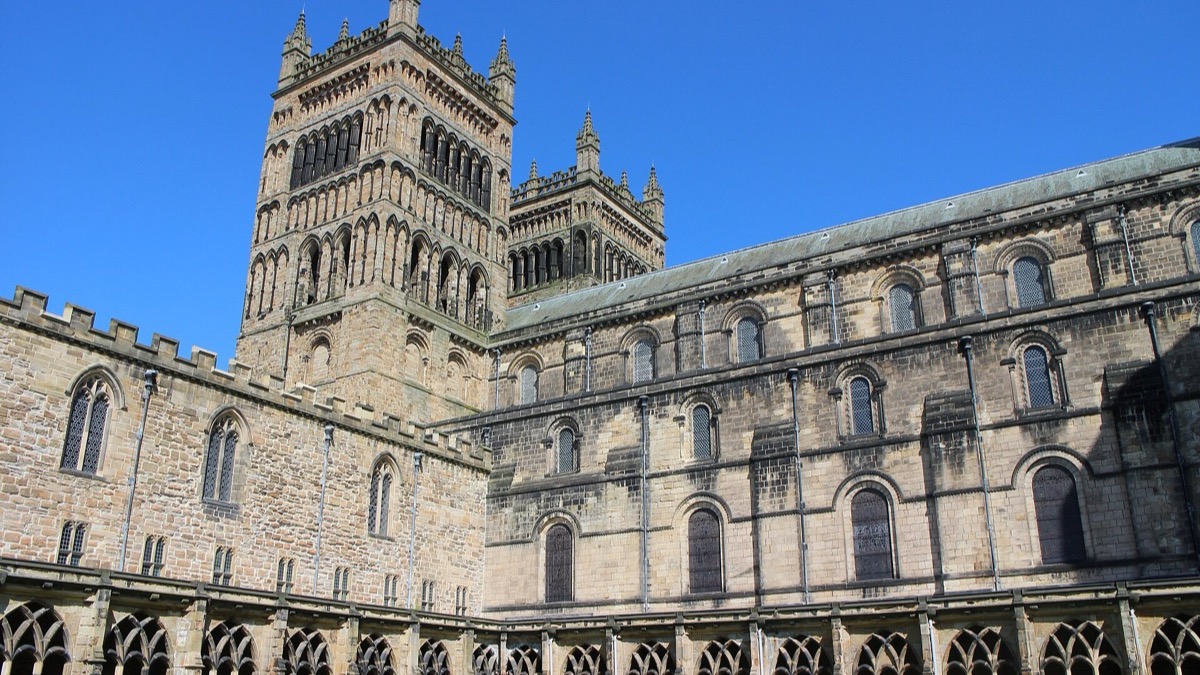
BSc Climate Science
About this course
Climate science is the study of Earth's climate system and the changes it is undergoing. It draws on physics, chemistry, mathematics, oceanography, and ecology to understand how the atmosphere, oceans, cryosphere, and land surface interact and how these interactions are being altered by human activity. Climate change is one of the defining challenges of the present century, affecting biodiversity, sea levels, food and water security, public health, and political stability across the globe. Understanding the fundamental science behind these changes is essential to developing effective responses to them. At Durham this three-year full-time programme develops your scientific understanding of Earth's climate, its history, and the processes driving its current transformation. You will study the physical mechanisms of climate, including ocean circulation, atmospheric dynamics, ice sheet behaviour, and the carbon cycle, alongside the tools used to model and monitor climate, from satellite observations to computational simulations. The programme takes seriously the full complexity of the Earth system, including the ecosystems and communities most exposed to its changing conditions. A sandwich year is built into the programme, giving you the opportunity to spend time working in a professional environment relevant to climate science, whether in research, policy, consultancy, or environmental management. A year abroad also allows you to study at an international partner institution and encounter climate science from a different geographical or academic context. Work placements are integrated throughout, reinforcing the connection between academic learning and professional practice. Graduates of climate science programmes move into careers in research and academia, environmental consultancy, climate policy and advocacy, government agencies, international organisations, the energy sector, and environmental data science. Many continue to postgraduate study in climate science, environmental science, or related fields, building towards research or specialist professional roles.
Syllabus & Modules
Typical curriculumStudent Satisfaction
National Student Survey - 15 respondents (64% response rate)
Similarly Ranked Alternatives




What comes next? 🎓
Choosing the right university starts with choosing the right school. Explore transparent, data-driven school profiles powered by official DfE statistics.
Explore Schools on WhatSchool.ai →