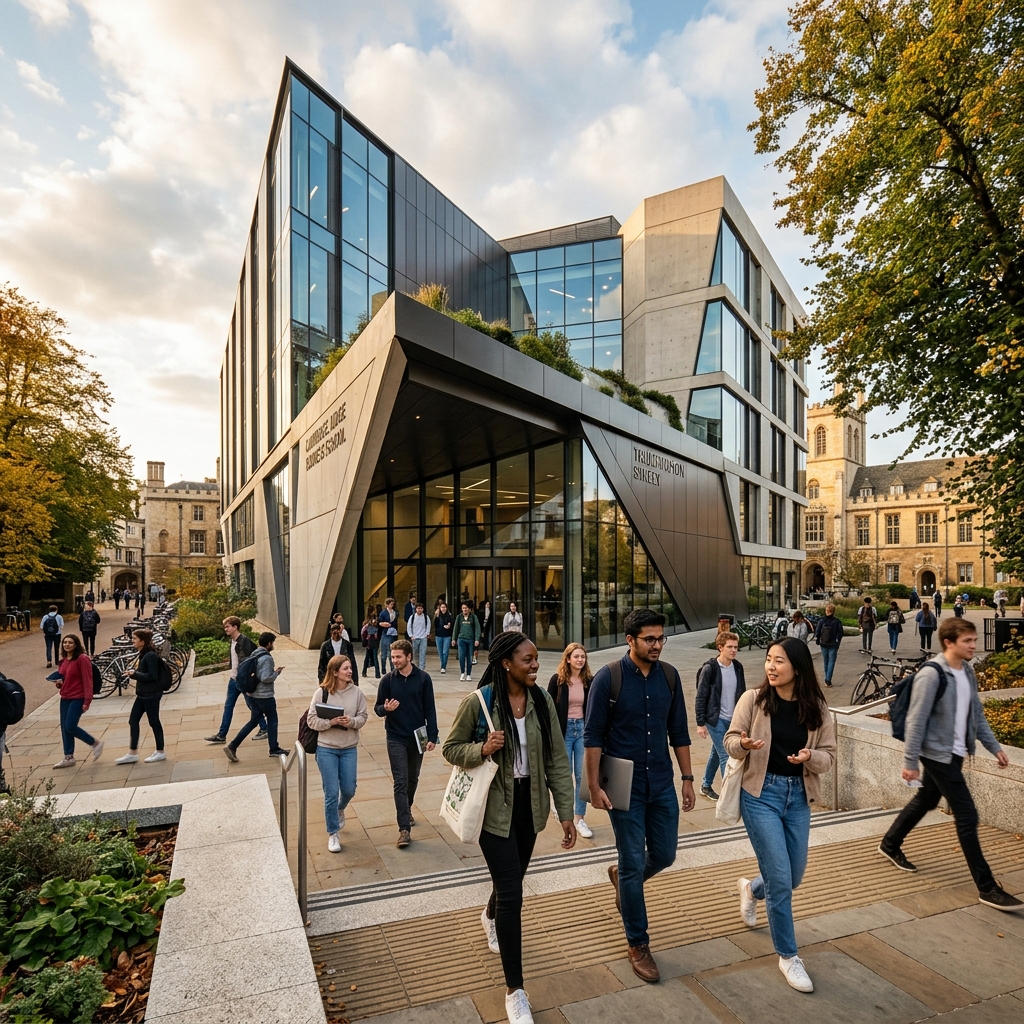
BSc Conservation and Community Engagement
About this course
Conservation and community engagement is a discipline concerned with protecting natural and cultural heritage while working in genuine partnership with the people who live alongside and depend on it. Traditional conservation approaches have sometimes treated local communities as a problem to be managed rather than a resource to be engaged, and the field has increasingly recognised that conservation outcomes are better and more durable when they are built with community participation rather than imposed upon it. This degree addresses that challenge directly, exploring the science, theory and practice of conservation alongside the skills of community engagement, stakeholder dialogue and participatory approaches. At Anglia Ruskin University, this part-time programme brings together ecology, biodiversity science, conservation planning and the social and community dimensions of environmental work. You will study habitat management, species conservation, environmental policy and the assessment of ecological value alongside the principles of community engagement, communication, co-production and the social justice dimensions of conservation. Part-time study means you can pursue the degree alongside existing professional commitments, which is particularly relevant in a field where many students are already working in conservation, local government, the voluntary sector or community development. The degree develops a distinctive combination of scientific and social knowledge: you will understand both the ecological basis of conservation decisions and the human and political contexts in which those decisions are made and implemented. This combination is increasingly valued as conservation bodies seek practitioners who can bridge the gap between scientific expertise and community trust. Graduates go on to work in conservation organisations, national parks, local wildlife trusts, local authorities, environmental charities, community development bodies and international development organisations. Roles include conservation officer, community engagement coordinator, ecological consultant and heritage interpretation manager. Further study in conservation, environmental management or community development is also a natural route.
Syllabus & Modules
Typical curriculumStudent Satisfaction
Missing Satisfaction Data
The university has not shared complete student satisfaction records for this specific degree metrics block. You may want to formally explore these topics with the university staff at an open day before committing.
What comes next? 🎓
Choosing the right university starts with choosing the right school. Explore transparent, data-driven school profiles powered by official DfE statistics.
Explore Schools on WhatSchool.ai →