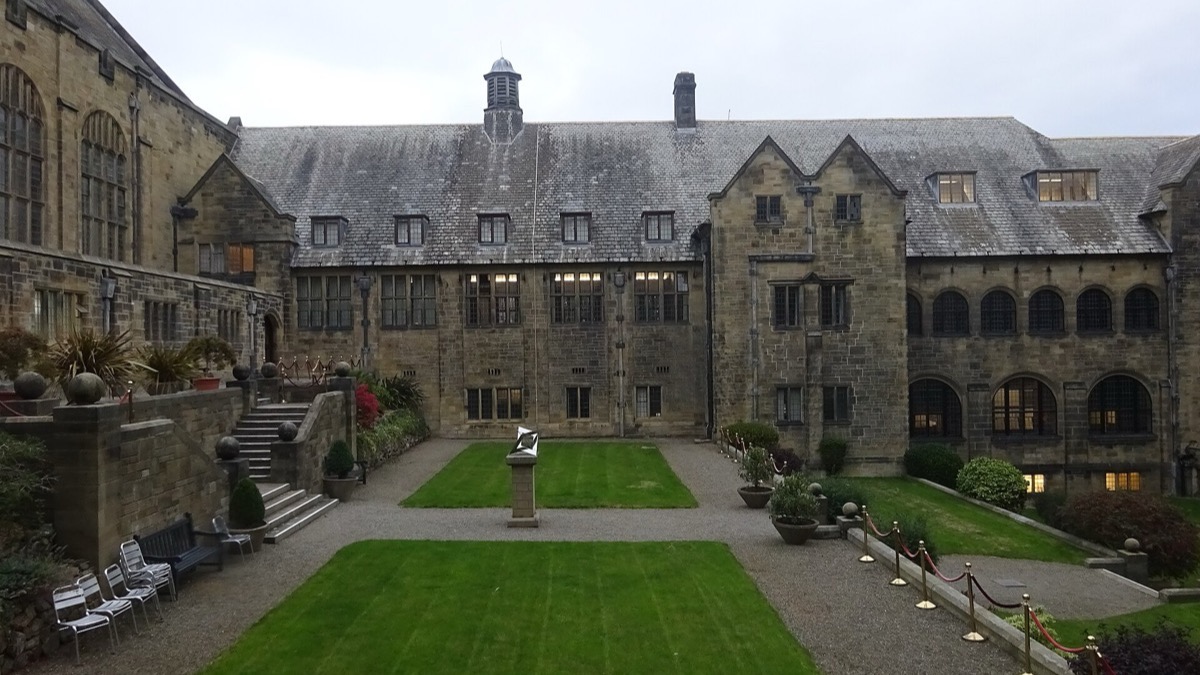
BA Criminology and Psychology
About this course
Criminology and Psychology are disciplines that speak directly to some of the most urgent questions in contemporary society: why do people commit crimes, how does the criminal justice system affect individuals and communities, and what does psychological science tell us about human behaviour in situations of conflict, harm, and trauma. Criminology examines crime as a social phenomenon, interrogating the structures, institutions, and ideologies that define it and respond to it, while psychology brings rigorous empirical methods and theory to understanding the mental processes that underlie human action. Together they offer a powerful combination for anyone seeking to understand offending, victimisation, and justice. At Bangor University, this three-year full-time programme comes with a foundation year, giving you a supported route into degree-level study if you would benefit from additional preparation before the main degree content begins. The programme also offers a placement year, a year abroad, and work placements, providing multiple opportunities to gain real-world experience and international exposure alongside your academic studies. You will explore psychological theories of behaviour, including cognitive, developmental, social, and biological perspectives, and apply them to criminological questions such as offender motivation, risk and desistance, eyewitness reliability, and the impact of incarceration. You will also engage with sociological and legal frameworks, examining how criminal justice institutions operate, how policy is shaped, and how different groups experience the system. Research methods and data analysis feature throughout the programme, building skills that are essential for both further study and professional practice. Graduates pursue careers in probation, prison and offender management, police services, victim support, social work, youth justice, mental health services, and policy development. The research and analytical skills the degree develops are also valued in the voluntary sector, local government, and academic research. Many graduates go on to postgraduate study in forensic psychology, criminology, social work, or clinical psychology, and the foundation year makes the full journey accessible to a wider range of students.
Syllabus & Modules
Typical curriculumStudent Satisfaction
National Student Survey - 10 respondents (100% response rate)
Similarly Ranked Alternatives




What comes next? 🎓
Choosing the right university starts with choosing the right school. Explore transparent, data-driven school profiles powered by official DfE statistics.
Explore Schools on WhatSchool.ai →