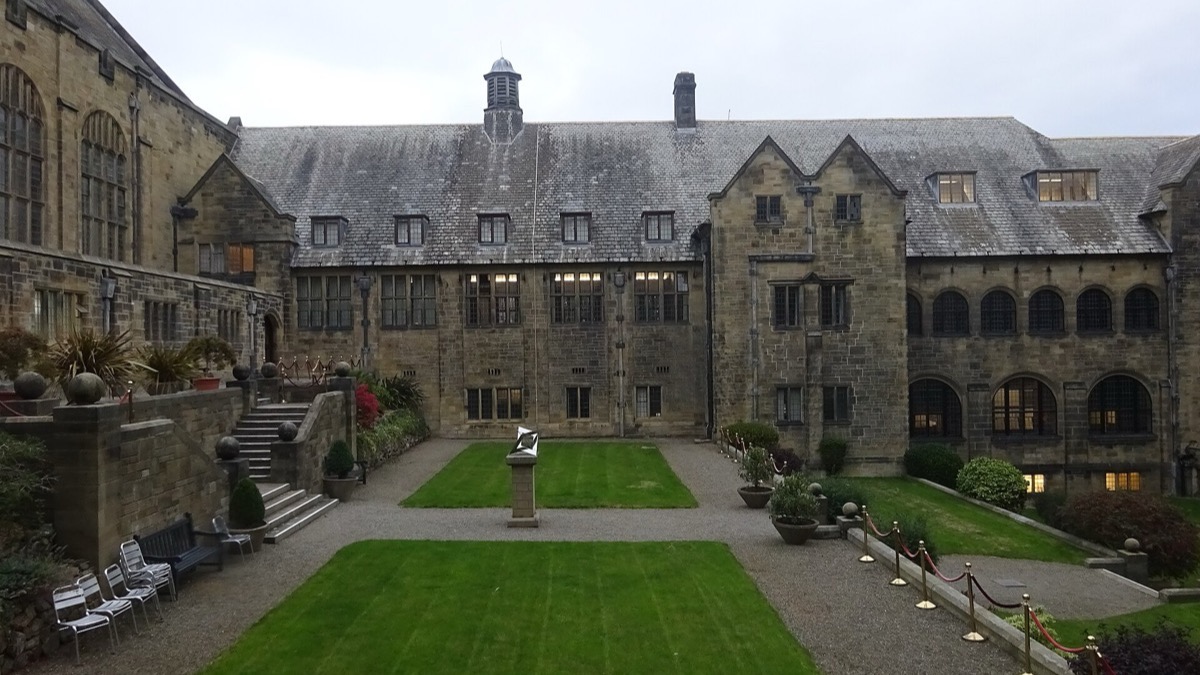
BSc Data Science and Visualisation
About this course
Data science sits at the intersection of mathematics, statistics, computer science, and domain knowledge, and its central concern is turning raw data into meaningful insight. In an era when organisations across every sector generate and collect data at unprecedented scale, the ability to work with that data rigorously and creatively has become one of the most valued skills in the modern economy. Data visualisation adds a further dimension: making complex patterns and findings legible to decision-makers who need to act on them. Together, data science and visualisation form a discipline that is both deeply technical and fundamentally communicative. At Bangor University, this programme includes a foundation year, which provides a structured and supported entry point for students building towards the full degree. The foundation year develops the mathematical and computational foundations that the rest of the programme builds on. The degree is full-time and includes a year abroad, giving you the opportunity to study in another country and to experience a different academic culture and environment, broadening your perspective and adding an international dimension to your CV. You will study statistical methods, machine learning, data wrangling, programming, and the design principles that underlie effective visual communication of data. You will develop strong skills in programming languages and tools that are standard in data science practice, as well as the analytical thinking to frame questions well, identify appropriate methods, and interpret results critically. Visualisation work will sharpen your sense of how design choices affect how information is understood, and you will learn to create outputs that serve real audiences rather than simply displaying technical capability. Graduates from data science and visualisation programmes are in strong demand across virtually every sector, from finance, healthcare, and government to retail, media, and technology. Roles include data analyst, data scientist, business intelligence analyst, visualisation developer, and research scientist. The year abroad experience can also be attractive to employers who value international perspective and adaptability. Postgraduate study in data science, artificial intelligence, statistics, or a related discipline is a natural next step for those who want to specialise further or move into research.
Syllabus & Modules
Typical curriculumStudent Satisfaction
National Student Survey - 35 respondents (68% response rate)
Similarly Ranked Alternatives




What comes next? 🎓
Choosing the right university starts with choosing the right school. Explore transparent, data-driven school profiles powered by official DfE statistics.
Explore Schools on WhatSchool.ai →