High Drop-out Rate Alert
23% of students drop out or transfer from this specific course. Consider asking why on an open day.
BA Digital Creativity and Music Production
About this course
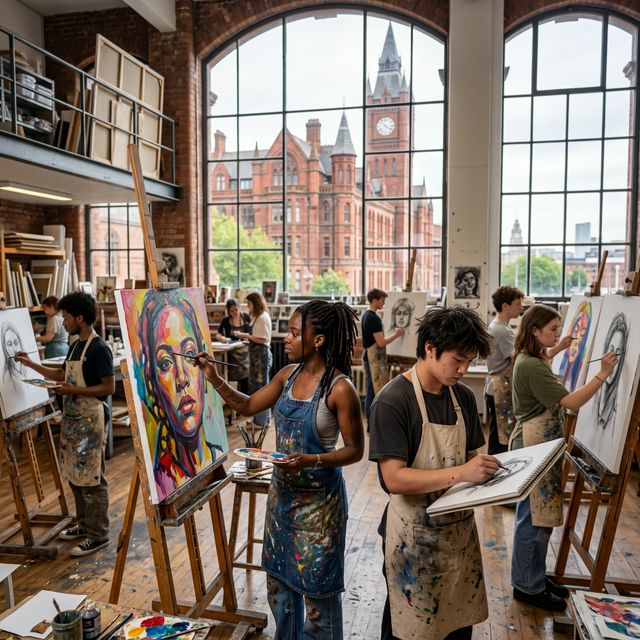
Digital creativity and music production sits at the point where technology, artistic practice, and creative thinking converge. The digital revolution has fundamentally changed how creative work is made, distributed, and experienced, and understanding that transformation requires both technical competence in digital tools and a grounding in the creative disciplines that those tools serve. Music production brings in the specific skills of recording, editing, mixing, and composing with audio, while digital creativity more broadly encompasses graphic design, gaming, animation, and the wider range of creative forms that digital technology enables. At Liverpool Hope University, this three-year, full-time programme blends traditional artistic disciplines with the creative applications of modern technology, drawing on the teaching and research expertise of staff from music, performance, visual arts, and computer science. You will explore the convergence of different creative forms through digital media, examining how gaming, graphic design, music, dance, and other disciplines intersect and influence each other in the digital environment. The concept of creative convergence sits at the heart of the programme, asking how artists find fresh ways to express ideas using new tools. The course includes a sandwich placement year for extended professional experience, a year abroad, and work placement integrated throughout, giving you a strong combination of practical experience and academic development. A typical entry tariff of 104 points reflects an accessible admissions threshold for a programme that values creative talent alongside academic achievement. Graduates go on to careers as music producers, sound designers, game audio designers, digital artists, graphic designers, creative directors, content creators, and arts technologists. The skills developed are valued across the creative industries, from music and games to film, advertising, and digital media production. Many graduates pursue freelance or entrepreneurial routes, while others develop careers in arts organisations, creative agencies, or technology companies. Further study at postgraduate level is an option for those who wish to specialise.
Syllabus & Modules
Typical curriculumStudent Satisfaction
National Student Survey - 55 respondents (85% response rate)
Similarly Ranked Alternatives
What comes next? 🎓
Choosing the right university starts with choosing the right school. Explore transparent, data-driven school profiles powered by official DfE statistics.
Explore Schools on WhatSchool.ai →