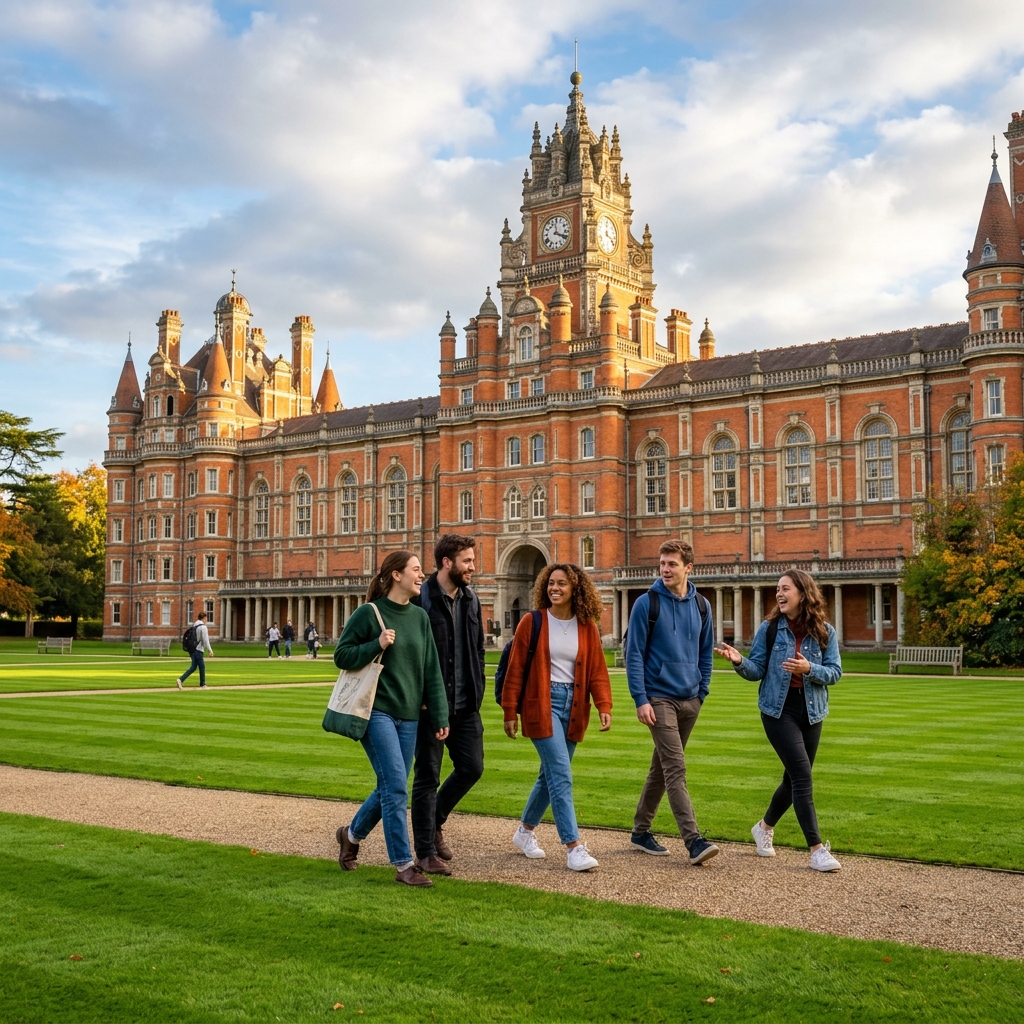
BA Digital Media Culture and Technology
About this course
Digital media culture and technology is a field that takes seriously both the technical systems underlying modern digital life and the social, cultural and political implications of those systems. It asks not just how digital technologies work but what they do to the ways people communicate, create, consume and exercise power. From social media platforms and streaming services to data surveillance and digital economies, the infrastructures of contemporary digital culture are reshaping every aspect of human experience, and understanding them requires both technical literacy and critical thinking. At Royal Holloway and Bedford New College this three-year full-time programme develops creative, technical and critical skills together, reflecting the interdisciplinary character of the field. The course includes a sandwich year, a year abroad and embedded work placement opportunities, giving it a particularly strong connection to professional and international experience. You will engage with the theory and history of digital media, examine how digital platforms are designed and governed, and develop practical skills in digital production, web technologies and creative digital practice. Critical and cultural analysis sits alongside technical understanding throughout the programme, equipping you to examine digital systems from multiple angles. The combination of critical inquiry and practical capability is what distinguishes this kind of degree from either a purely technical computing programme or a traditional media studies course. You will develop the ability to work inside digital systems as a producer and practitioner and also to step back and ask hard questions about their design, their effects and their politics. Graduates move into careers in digital marketing, content creation, user experience design, journalism, policy, social media management, platform research and digital arts. Many go on to postgraduate study in digital culture, media studies, human-computer interaction or related areas. The combination of technical competence and critical perspective makes graduates well placed for roles that require both analytical and practical abilities in digital environments.
Syllabus & Modules
Typical curriculumStudent Satisfaction
National Student Survey - 90 respondents (59% response rate)
Similarly Ranked Alternatives


What comes next? 🎓
Choosing the right university starts with choosing the right school. Explore transparent, data-driven school profiles powered by official DfE statistics.
Explore Schools on WhatSchool.ai →