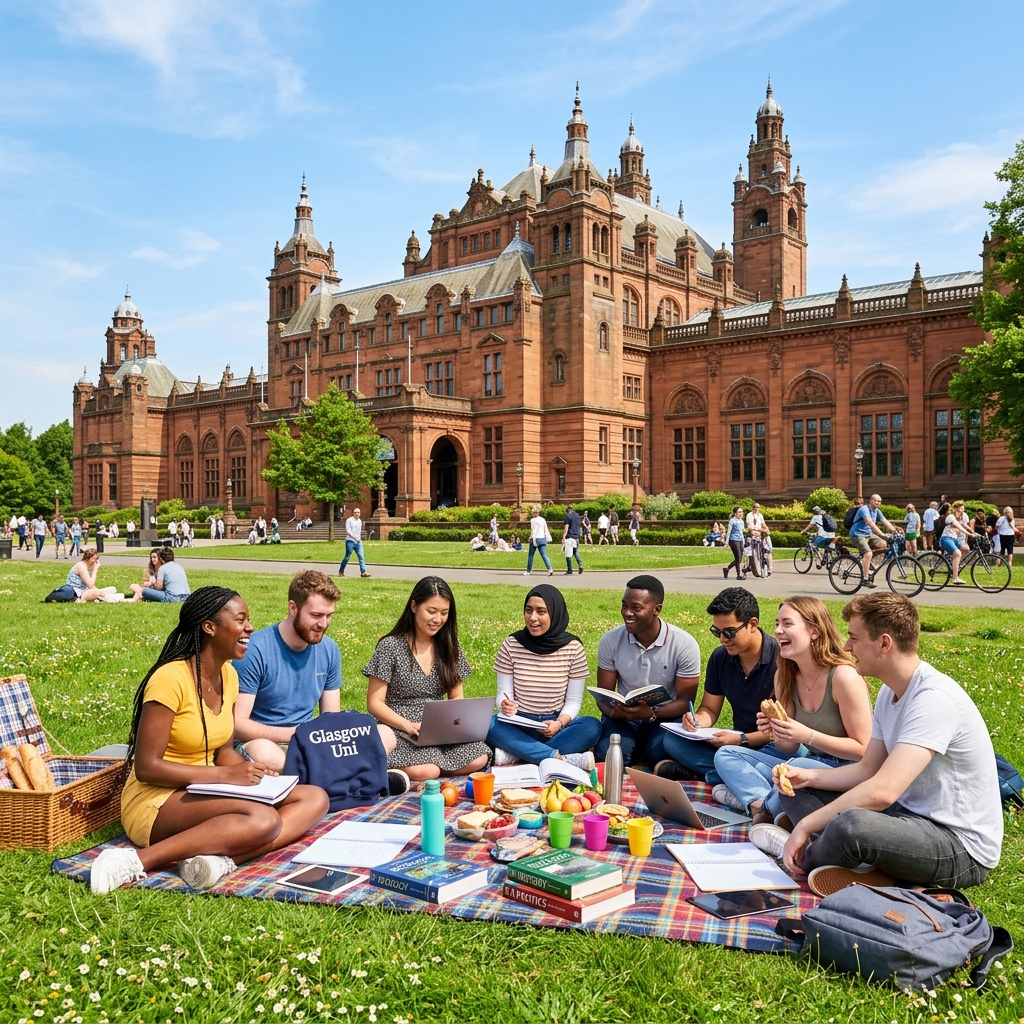
MA Digital Media & Information Studies/History of Art
About this course
Digital media and information studies brings a humanistic and critical perspective to the questions raised by the digital age: how is information created, circulated, found and used? How do digital platforms and tools reshape cultural production and consumption? What are the social, political and ethical implications of algorithmic systems, data collection, and the shifting economics of attention? History of art, combined with it, grounds those contemporary questions in a long tradition of inquiry into how human beings make and interpret visual objects, from medieval altarpieces to contemporary design. At the University of Glasgow you will study this joint degree over four years, developing critical skills in both disciplines alongside practical engagement with the digital tools and archives that are reshaping humanistic scholarship. Your digital media and information studies modules will examine the creation, use, and cultural impact of digital content and information across the arts, humanities and society at large. Your history of art studies will take you through the analysis of visual culture across periods and media, developing your ability to interpret objects and images in their historical and cultural contexts. The programme includes a year abroad, extending your engagement with different scholarly traditions and cultural institutions. Graduates of this combination are well placed for careers at the intersection of digital culture and the arts. Roles in gallery and museum curation (increasingly digital), digital heritage and archiving, arts journalism and criticism, content strategy and editorial work for cultural organisations, UX research, information management, and the growing field of digital humanities research are all accessible. Postgraduate study in digital humanities, museum studies, information management, media studies, or art history is a natural extension for those who wish to develop specialist expertise or pursue academic careers. The analytical and technical skills the programme develops are also valued in publishing, broadcasting and the wider creative industries.
Syllabus & Modules
Typical curriculumStudent Satisfaction
National Student Survey - 35 respondents (83% response rate)
What comes next? 🎓
Choosing the right university starts with choosing the right school. Explore transparent, data-driven school profiles powered by official DfE statistics.
Explore Schools on WhatSchool.ai →