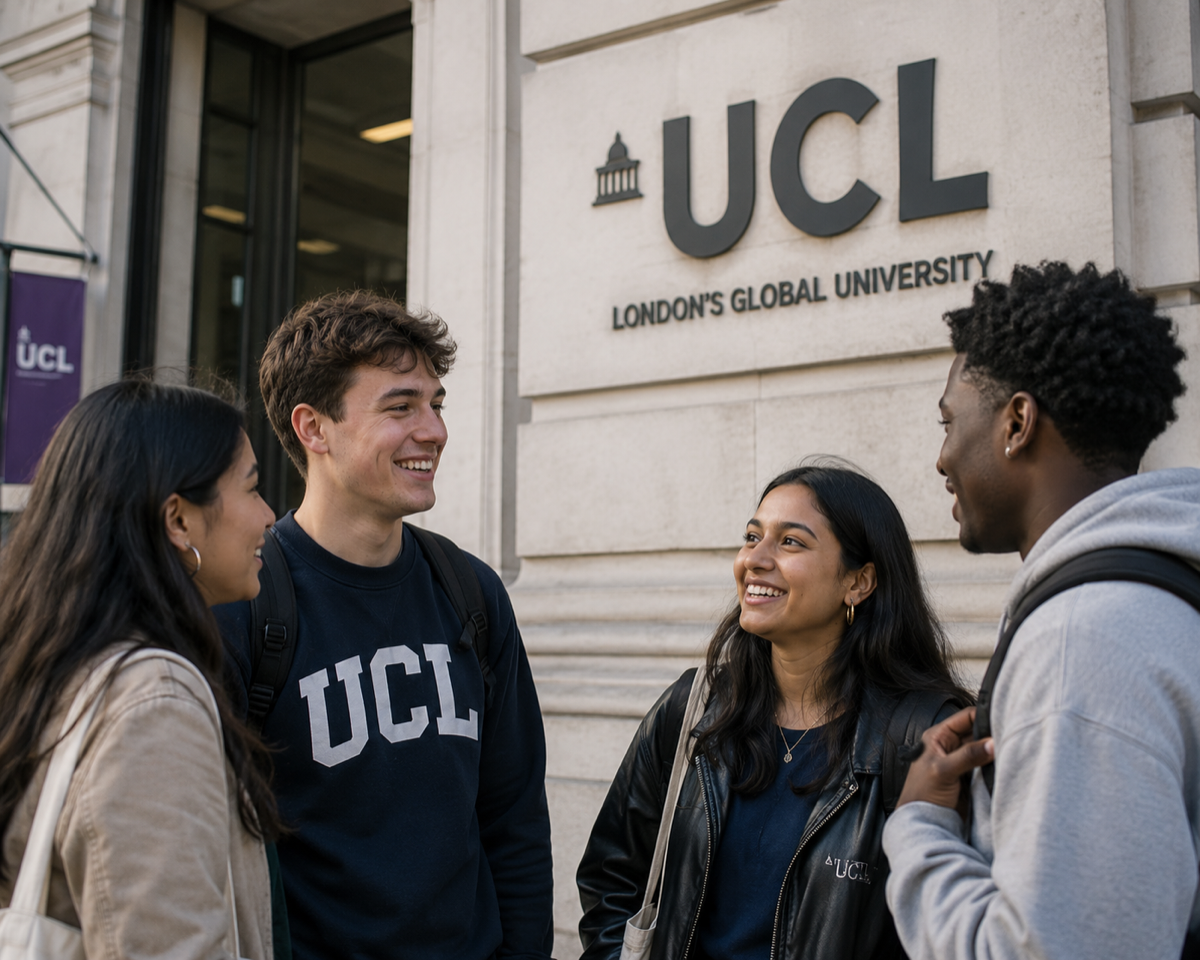
BA Dutch and Polish
About this course
Dutch and Polish is a distinctive pairing, bringing together the language of one of Europe's most prosperous and open small nations with the language of one of its most populous and historically significant. Dutch, spoken in the Netherlands and Belgium, carries with it a rich cultural heritage, from Rembrandt and Spinoza to the modern Dutch design movement, as well as access to an economy that punches well above its weight in trade, finance, and technology. Polish is the native language of almost 45 million people, the official language of a country whose modern history, from the Holocaust and Soviet occupation to post-Communist transformation, is among the most compelling in Europe, and a gateway to the largest Slavic-speaking nation in the EU. At University College London, this four-year full-time programme develops advanced proficiency in both languages alongside engagement with their literatures, cultures, and histories. UCL's Dutch and Slavonic language programmes are well regarded, and you benefit from strong scholarly expertise in both traditions. The combination is linguistically demanding, as Dutch and Polish belong to very different language families, but that challenge is also an intellectual asset, developing flexibility and comparative linguistic awareness. You will study grammar, phonology, and the structure of both languages alongside reading texts in the original and engaging with the cultural and historical contexts they emerge from. Graduates with Dutch and Polish are genuinely rare and professionally valuable. Dutch opens access to the Netherlands and Belgium's business, financial, and cultural environments. Polish is the most widely spoken Slavic language in the EU and opens opportunities in a growing economy with strong ties to the rest of Europe. International business, diplomacy, translation, interpreting, journalism, and NGO work in Central Europe are all career paths. Postgraduate study in Dutch studies, Polish or Slavonic studies, European languages, or translation is a natural continuation.
Syllabus & Modules
Typical curriculumStudent Satisfaction
National Student Survey - 10 respondents (52% response rate)
What comes next? 🎓
Choosing the right university starts with choosing the right school. Explore transparent, data-driven school profiles powered by official DfE statistics.
Explore Schools on WhatSchool.ai →