BSc(Econ) Economics and International Finance
About this course
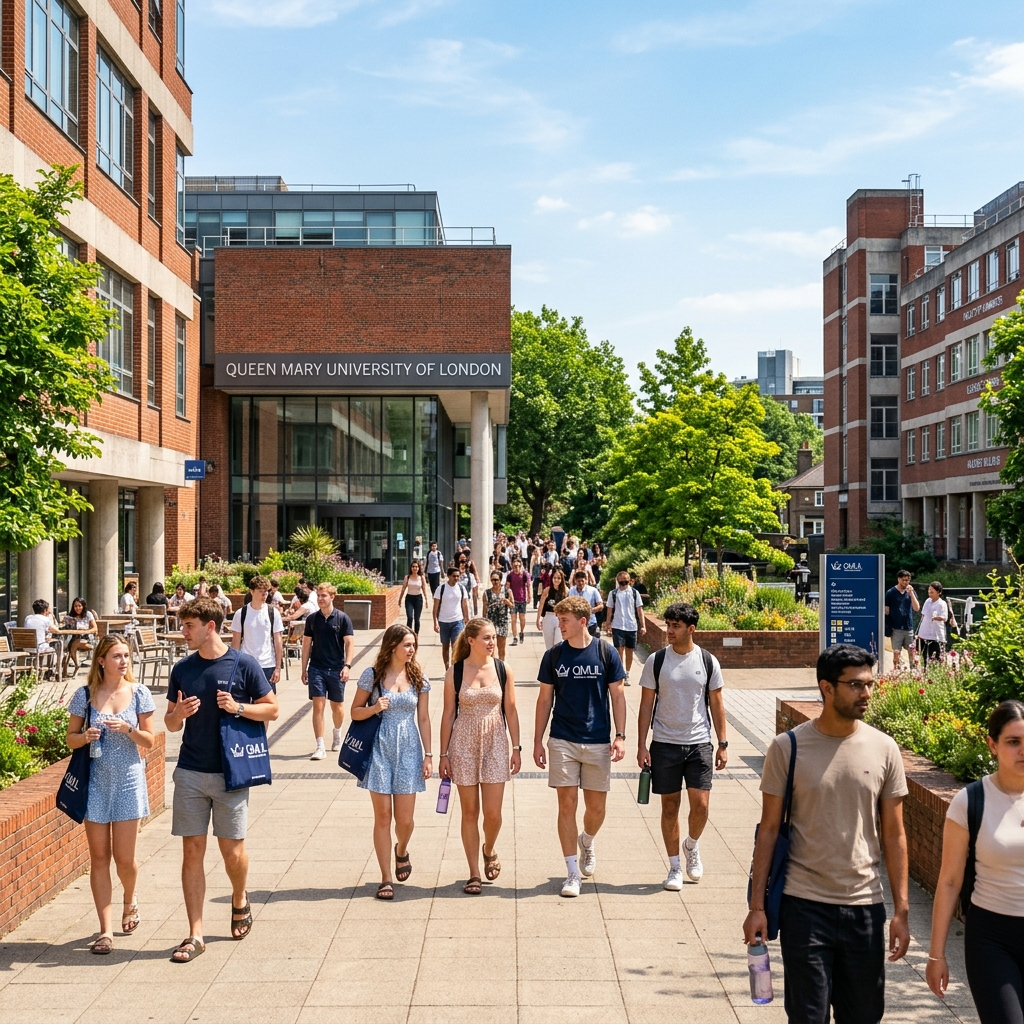
Economics and international finance addresses the global dimensions of economic and financial life, exploring how national economies interact through trade, investment and financial flows and how the international financial system is organised, regulated and sometimes destabilised. It combines the analytical rigour of economics, including microeconomic theory, macroeconomics and econometrics, with specialist training in the tools of international finance: bond markets, foreign exchange, derivatives, international trade finance and the strategies of multinational firms and sovereign investors. At Queen Mary University of London, this four-year programme is designed from the outset with an international focus, beginning with a whole module on the world economy in the first semester, as the university's own description notes. You will study macroeconomics, microeconomics and quantitative methods alongside international financial markets, bond and foreign exchange markets, financial derivatives, international trade theory and the economics of global financial crises. Academic experts across these research areas contribute to a programme that is shaped by active scholarship rather than only standard textbook material, ensuring you encounter current debates as well as established frameworks. Queen Mary's location in London, one of the world's leading international financial centres, provides an extraordinary context in which to study these questions, with direct access to financial institutions, professional networks and the practical experience of a global financial hub. Graduates go on to careers in international banking, investment management, foreign exchange trading, corporate treasury, international financial consulting, central banking, multilateral institutions such as the IMF and World Bank, and economic research. Further study in economics, international finance or financial economics at masters or doctoral level is also a well-established route for those seeking specialist or research careers.
Syllabus & Modules
Typical curriculumStudent Satisfaction
National Student Survey - 145 respondents (66% response rate)
Similarly Ranked Alternatives


What comes next? 🎓
Choosing the right university starts with choosing the right school. Explore transparent, data-driven school profiles powered by official DfE statistics.
Explore Schools on WhatSchool.ai →