High Drop-out Rate Alert
25% of students drop out or transfer from this specific course. Consider asking why on an open day.
BSc Environmental Earth Science (with integrated year in industry)
About this course
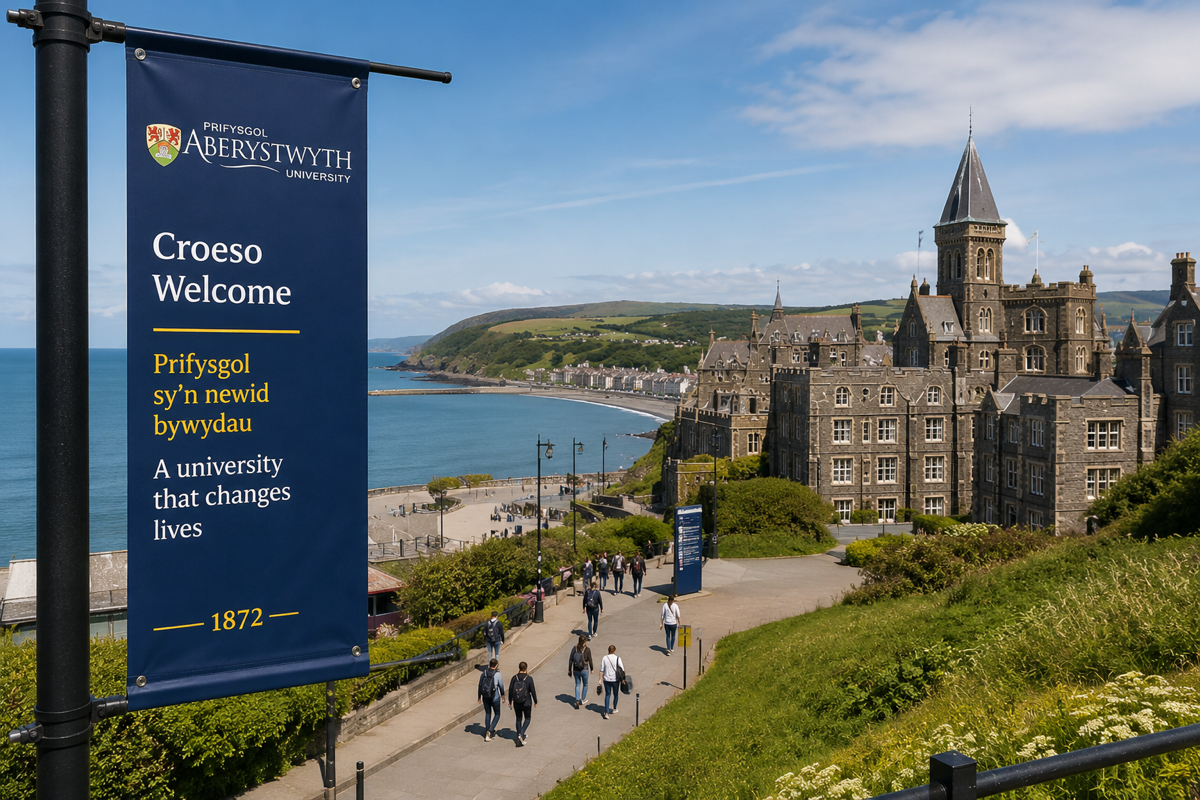
Environmental earth science brings together the study of the physical Earth and the environmental systems that depend on it, asking how rocks, soils, water, and atmosphere interact and how human activity is changing those interactions. It draws on geology, geomorphology, soil science, hydrology, climatology, and environmental chemistry to understand the processes that shape landscapes and ecosystems, and to assess the environmental consequences of land use, resource extraction, pollution, and climate change. The discipline is both intellectually rich and practically important, providing the scientific foundation for environmental management, resource planning, and hazard assessment. Aberystwyth University's four-year full-time Environmental Earth Science degree includes an integrated year in industry, giving you professional experience in an environmental, geoscientific, or land management context before you graduate. The University's Department of Geography and Earth Sciences is one of the most established of its kind, as the course notes, and Aberystwyth's location on the Welsh coast provides a distinctive and varied natural environment for fieldwork. The typical entry tariff is 104 points. You will study the geological and geomorphological processes that shape the Earth's surface alongside environmental science, covering topics such as soil formation, catchment hydrology, contaminated land assessment, and climate change science. The year in industry allows you to apply this knowledge in a professional setting and build the practical experience that employers value. Graduates work in environmental consultancy, contaminated land assessment, hydrogeology, environmental impact assessment, planning and land management, climate change adaptation, and government environmental agencies. Many continue to postgraduate study in environmental science, geoscience, or related disciplines, and some pursue doctoral research. The field skills, laboratory competence, and analytical abilities the degree develops are directly applicable to many roles in the environmental and sustainability sectors.
Syllabus & Modules
Typical curriculumStudent Satisfaction
National Student Survey - 105 respondents (88% response rate)
Similarly Ranked Alternatives


What comes next? 🎓
Choosing the right university starts with choosing the right school. Explore transparent, data-driven school profiles powered by official DfE statistics.
Explore Schools on WhatSchool.ai →