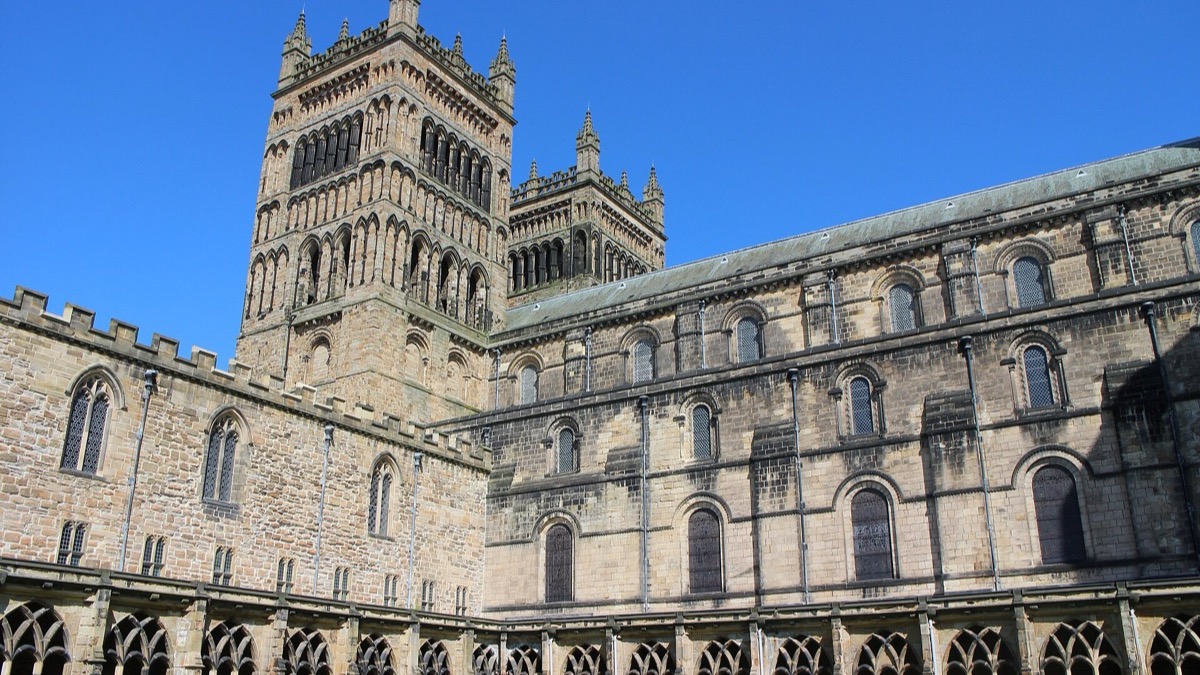
BSc Environmental Geoscience
About this course
Environmental geoscience occupies the space where the Earth's physical systems intersect with pressing environmental questions. It applies the tools and methods of geology, geochemistry, hydrology and atmospheric science to understand how landscapes form and change, how natural resources are distributed, how contaminants move through soils and water, and how past environmental changes can be read from the geological record. In an era of rapid climate change and growing pressure on land and water resources, the ability to understand Earth systems at this level is increasingly important. At Durham University, this three-year full-time programme is rich in structural flexibility and international opportunity. It includes a sandwich year, giving you the chance to undertake extended professional experience in an environmental or geoscience organisation, and a year abroad, allowing you to study at an overseas partner institution and broaden your understanding of different geological and environmental contexts. Work placement experience is built into the programme. You will develop skills in fieldwork, laboratory analysis, geospatial data interpretation and scientific writing, engaging with topics including sedimentary processes, soil science, groundwater systems, geohazards and environmental assessment. Graduates work in environmental consultancy, government environmental agencies, natural resources companies, engineering geology, hydrogeology, contaminated land assessment and academic research. The combination of fieldwork capability, analytical skills and environmental knowledge is highly valued by employers in both the private and public sectors. Many graduates also proceed to postgraduate study, taking masters programmes in environmental science, hydrogeology, geohazards, remote sensing or climate science, before moving into research or specialist technical roles.
Syllabus & Modules
Typical curriculumStudent Satisfaction
National Student Survey - 20 respondents (68% response rate)
Similarly Ranked Alternatives


What comes next? 🎓
Choosing the right university starts with choosing the right school. Explore transparent, data-driven school profiles powered by official DfE statistics.
Explore Schools on WhatSchool.ai →