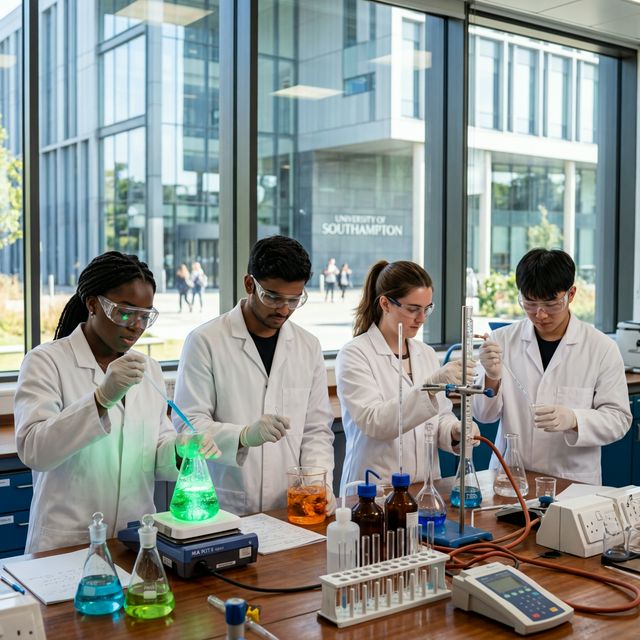
BSc Environmental Science: Biodiversity and Conservation
About this course
Biodiversity and conservation is one of the most urgent areas of environmental science, addressing the accelerating loss of species, habitats, and ecological function that constitutes one of the defining crises of our time. The discipline draws on ecology, evolutionary biology, geography, and conservation policy to understand how biodiversity is distributed, why it matters, and what can be done to protect and restore it. Students in this field develop both the scientific literacy to understand complex ecological systems and the practical and analytical skills to contribute to conservation in real-world contexts. At the University of Southampton, this three-year, full-time degree combines theoretical grounding in environmental and ecological science with practical and project-based work, ensuring that your learning is connected to real environmental problems and their potential solutions. You will study the biological basis of biodiversity, the drivers of habitat loss and species decline, the principles of conservation biology, and the policy and management frameworks through which conservation efforts are organised and evaluated. Fieldwork is central to this kind of programme, giving you the skills to work outdoors with organisms and ecosystems as well as in the laboratory. A typical entry tariff of 136 points reflects the scientific preparation expected of students entering this programme. Graduates of biodiversity and conservation degrees go on to work in conservation organisations, national parks, environmental consultancies, government agencies, research institutions, zoos and botanical gardens, and international development organisations with environmental programmes. Many pursue postgraduate study in conservation biology, ecology, environmental management, or a specialist area such as marine science or tropical ecology. The combination of scientific rigour and practical skills developed in this programme prepares graduates for the growing number of careers at the intersection of science and environmental action.
Syllabus & Modules
Typical curriculumStudent Satisfaction
National Student Survey - 30 respondents (73% response rate)
Similarly Ranked Alternatives



What comes next? 🎓
Choosing the right university starts with choosing the right school. Explore transparent, data-driven school profiles powered by official DfE statistics.
Explore Schools on WhatSchool.ai →