BA Fashion
About this course
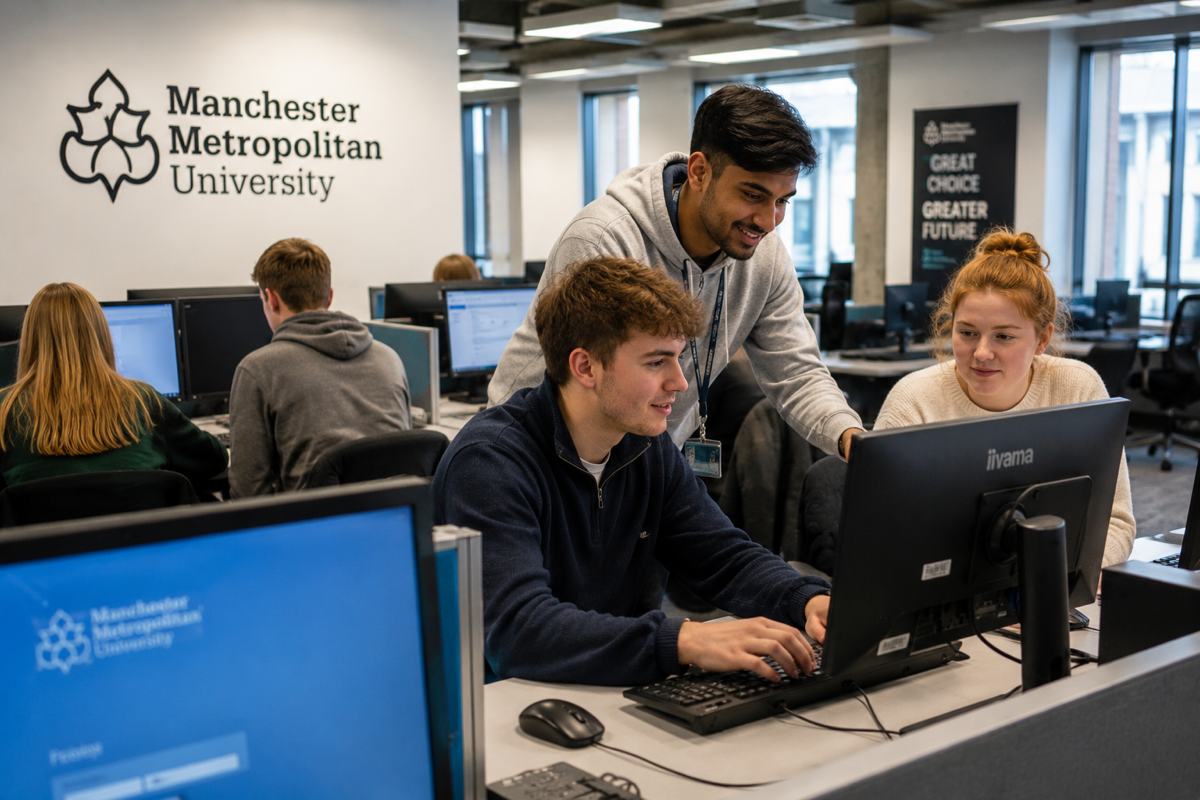
Fashion as a creative discipline sits at the intersection of art, culture, commerce, and craft. It asks designers to develop a personal creative vision while also understanding the materials, construction techniques, and production processes needed to realise that vision, and to engage with the social and economic contexts in which clothes are made, sold, and worn. Contemporary fashion design demands both imaginative freedom and disciplined attention to process, and the best designers are those who can move fluently between original research, material experimentation, and the practical skills of making. At Manchester Metropolitan University, this three-year full-time BA in Fashion develops that combination in a hands-on, studio-based environment. You will take an individual approach to design from the outset, developing your ideas through original research and material exploration before realising them through practical making. Pattern cutting, garment construction, draping, and a range of textile and surface techniques are developed alongside conceptual and contextual studies that situate your work within broader histories of fashion, dress, and visual culture. A sandwich year gives you an extended period of professional experience, and work placement opportunities are integrated throughout the programme, so you build direct knowledge of the industry, from fashion houses and independent labels to retail and the supply chain, well before you graduate. The typical entry tariff is 168 UCAS points. Fashion graduates pursue careers as fashion designers, pattern cutters, textile designers, fashion buyers, stylists, and product developers, as well as in roles in fashion retail, creative direction, and brand management. Manchester's position within a city with a significant fashion and creative industries economy gives graduates strong connections to potential employers. Many graduates also continue to postgraduate study in fashion design, fashion business, or related creative disciplines, building on the distinctive design practice the degree develops.
Syllabus & Modules
Typical curriculumStudent Satisfaction
National Student Survey - 20 respondents (84% response rate)
Similarly Ranked Alternatives
What comes next? 🎓
Choosing the right university starts with choosing the right school. Explore transparent, data-driven school profiles powered by official DfE statistics.
Explore Schools on WhatSchool.ai →