High Drop-out Rate Alert
40% of students drop out or transfer from this specific course. Consider asking why on an open day.
BSc Financial Economics
About this course
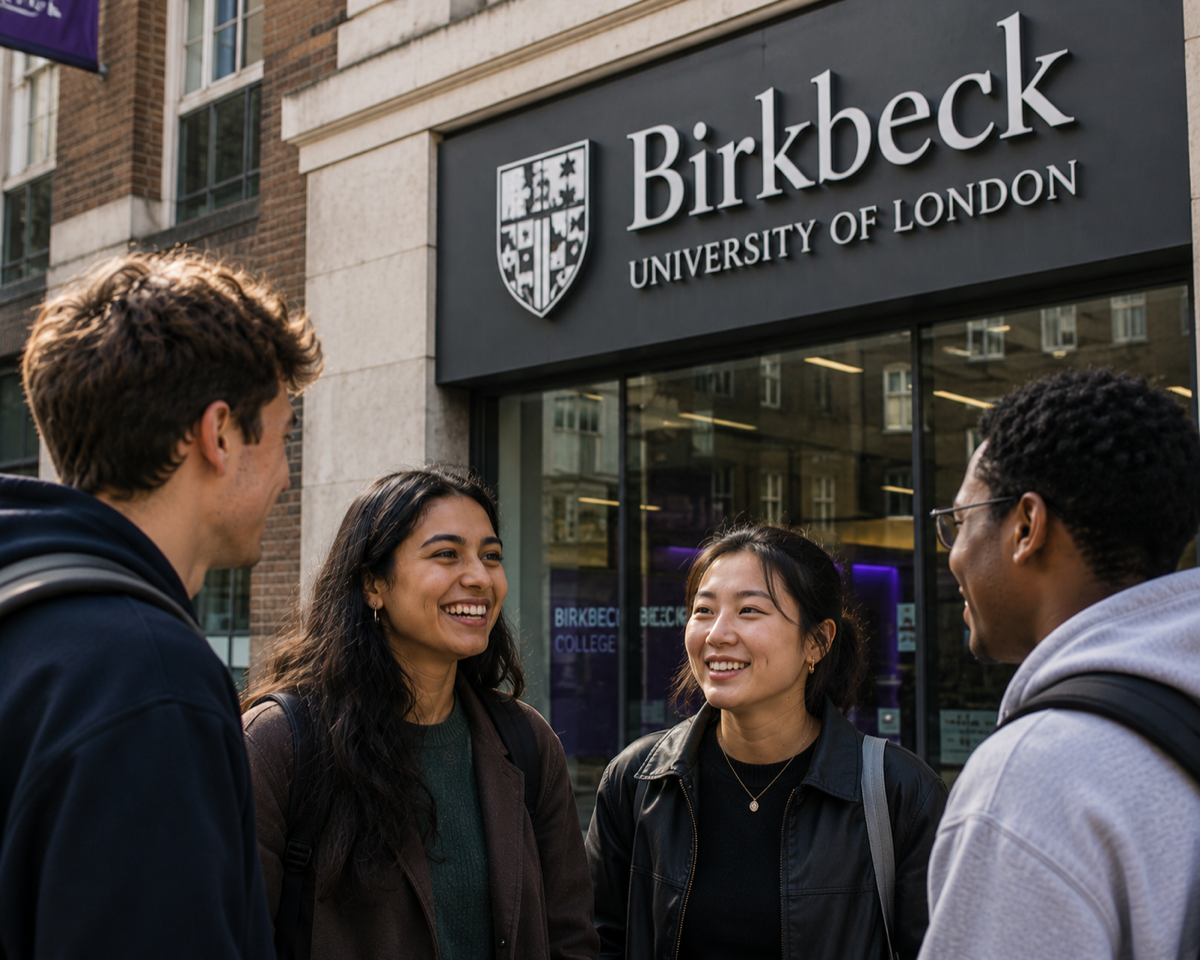
Financial economics is the discipline that applies economic theory and quantitative methods to the analysis of financial markets, assets, and institutions. It asks how financial markets price risk, how investors make decisions under uncertainty, how firms raise and allocate capital, and how macroeconomic conditions shape financial outcomes. The discipline sits at the boundary between economics and finance, drawing on both to produce graduates with rigorous analytical skills and a thorough understanding of the financial sector. This three-year full-time BSc at Birkbeck College in London develops both the theoretical knowledge and the practical skills needed for successful employment in finance and economics. You will build a core set of skills in financial economics, developing proficiency in economic analysis alongside hands-on experience in academic research and data analysis. The curriculum covers microeconomic and macroeconomic theory, financial markets and institutions, asset pricing, risk management, and the quantitative methods that financial economists apply in professional and research contexts. Birkbeck's London setting and its evening teaching model connect your academic study to one of the world's most significant financial centres, and the practical orientation of the degree ensures that your learning has direct professional relevance. An entry tariff of 88 UCAS points reflects an accessible admissions standard for a demanding analytical programme. Graduates from financial economics programmes move into careers in investment banking, asset management, financial analysis, economic consultancy, central banking, financial regulation, risk management, and corporate finance. Many continue to postgraduate study in finance, economics, or quantitative finance, building on the analytical foundations the degree provides.
Syllabus & Modules
Typical curriculumStudent Satisfaction
National Student Survey - 20 respondents (63% response rate)
Similarly Ranked Alternatives



What comes next? 🎓
Choosing the right university starts with choosing the right school. Explore transparent, data-driven school profiles powered by official DfE statistics.
Explore Schools on WhatSchool.ai →