High Drop-out Rate Alert
24% of students drop out or transfer from this specific course. Consider asking why on an open day.
BA Fine Art and Illustration
About this course
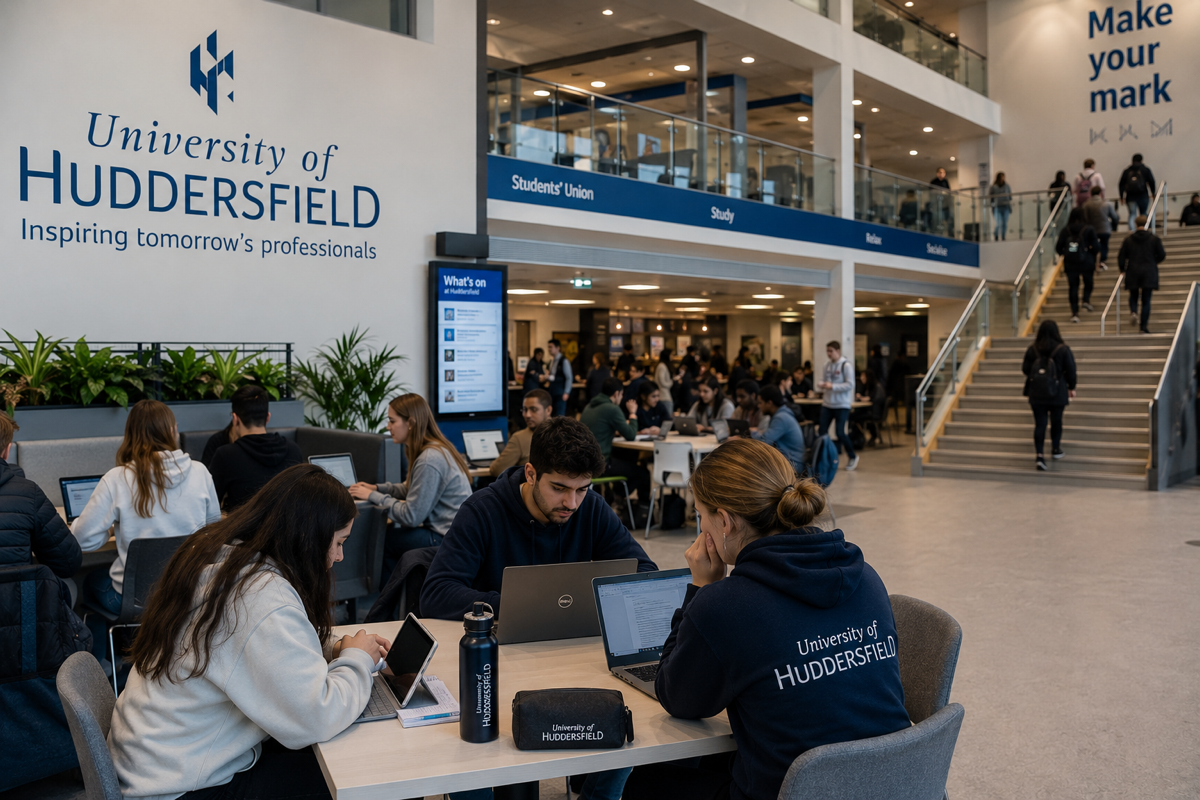
Fine art and illustration together make a degree that spans two closely related but distinctly different practices. Fine art is concerned with art-making as a form of inquiry, a space where you develop a personal practice and engage with ideas, materials, and the history and theory of contemporary art. Illustration, by contrast, is image-making in the service of communication, where visual thinking is applied to editorial, narrative, commercial, or social contexts. Studying them together means you develop both the conceptual depth of studio fine art practice and the technical versatility and problem-solving fluency of illustration. At the University of Huddersfield, this three-year full-time programme includes a sandwich placement year and a work placement, which gives you the opportunity to spend structured time in a professional creative context. This is particularly valuable in the visual arts, where professional practice tends to be diverse and self-directed, and where understanding how creative work operates commercially and professionally is as important as the making itself. The placement gives you first-hand experience of working with clients, to briefs, and within the realities of creative industry. Across your time on the programme you will develop a body of work in studio practice, build skills in drawing, digital media, print, and a range of other techniques, and engage with critical and contextual studies that locate your work within the broader history and theory of art and visual culture. You will develop your personal creative voice while also building the technical range that professional illustrators need. Graduates from fine art and illustration programmes go on to work as practising artists and illustrators, often combining freelance illustration with other creative work. Careers span editorial and publishing illustration, animation, graphic design, art direction, games and digital media, arts education, and community arts. Many graduates develop portfolio careers that blend commissioned work with personal practice and exhibition.
Syllabus & Modules
Typical curriculumStudent Satisfaction
National Student Survey - 15 respondents (61% response rate)
Similarly Ranked Alternatives
What comes next? 🎓
Choosing the right university starts with choosing the right school. Explore transparent, data-driven school profiles powered by official DfE statistics.
Explore Schools on WhatSchool.ai →