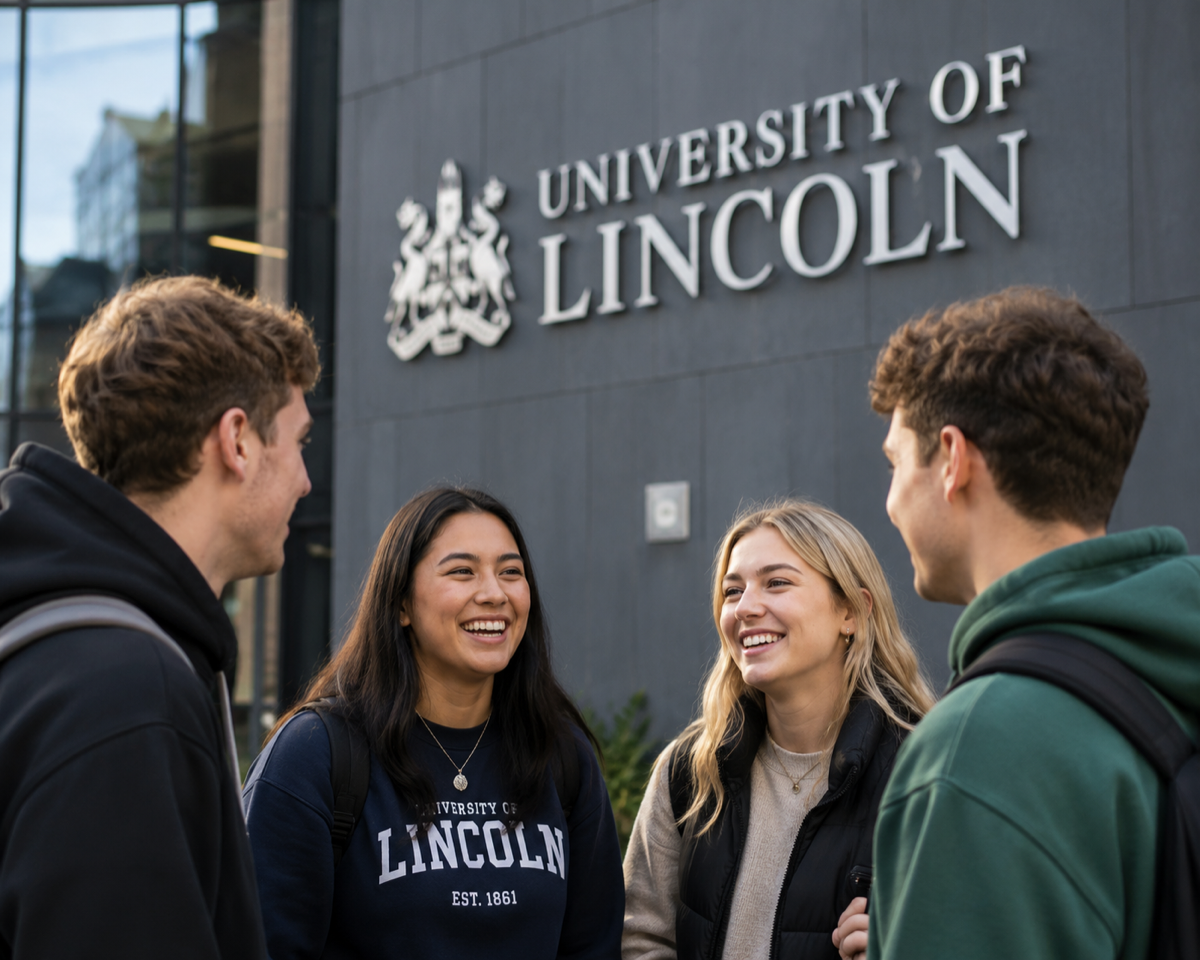
BSc Forensic Chemistry
About this course
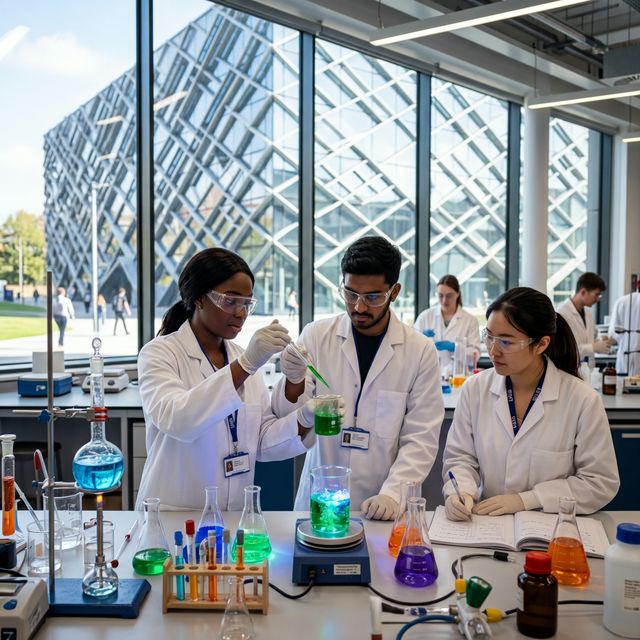
Forensic chemistry applies the principles and methods of chemistry to legal and investigative contexts, using scientific analysis to examine physical evidence and provide findings that can inform criminal investigations and legal proceedings. It is a discipline that sits at the boundary between rigorous laboratory science and the procedural requirements of the justice system, demanding both technical expertise in chemical analysis and an understanding of the chain of custody, standards of evidence, and expert witness obligations that govern forensic practice. At Lincoln you will study this three-year full-time degree, developing your grounding in the core principles of chemistry alongside the specialist forensic applications that distinguish this programme. You will learn to identify and analyse substances, examine trace evidence, apply chromatographic and spectroscopic techniques to forensic samples, and interpret analytical data in the context of criminal investigations. You will also study the legal frameworks within which forensic chemistry operates, including the standards required for results to be admissible in court, and you will develop an understanding of the wider forensic science landscape in which chemists work alongside toxicologists, biologists, and digital forensic specialists. Forensic chemistry graduates work in forensic science laboratories, both in the public sector, including those serving the police and the criminal justice system, and in private forensic service providers. Roles include forensic chemist, toxicologist, drugs analyst, and trace evidence examiner. The analytical chemistry skills developed during the degree are also valued beyond forensic contexts, in pharmaceutical quality control, food safety, environmental analysis, and research. Many graduates continue to postgraduate study in forensic science, analytical chemistry, or toxicology, building on the specialist foundation the degree provides.
Syllabus & Modules
Typical curriculumStudent Satisfaction
National Student Survey - 45 respondents (81% response rate)
Similarly Ranked Alternatives

What comes next? 🎓
Choosing the right university starts with choosing the right school. Explore transparent, data-driven school profiles powered by official DfE statistics.
Explore Schools on WhatSchool.ai →