
BA Geography with Global Development
About this course
Geography has always been a discipline concerned with the connections between people and places, but the addition of global development brings an urgent ethical and political dimension to that enquiry. Global development asks how and why wealth, wellbeing, and opportunity are distributed so unequally across the world, and what forces, historical, economic, political, and environmental, shape those patterns. Combining these two fields gives you a richer set of tools for understanding the world: the spatial and environmental literacy of geography alongside the social theory, policy thinking, and ethical frameworks of development studies. At the University of East Anglia, a university with a long and distinguished tradition in both geography and international studies, this three-year full-time programme will take you across a wide range of topics. You will explore physical and human geography, development theory, globalisation, climate and sustainability, and the political economy of international aid and trade. UEA's location in Norwich and its strong links to international research give the programme a grounding in both British contexts and global perspectives. You will develop skills in fieldwork, quantitative and qualitative research methods, GIS, critical analysis, and academic writing, building a versatile toolkit that works across disciplines and sectors. The breadth of this combination makes for a wide range of career possibilities. Graduates go on to work in international development organisations, NGOs, government departments, environmental consultancies, urban planning, journalism, and education. The analytical and communication skills you develop are valued across the public, private, and voluntary sectors. Those who want to deepen their expertise often pursue postgraduate study in development studies, environmental policy, human geography, or related fields, opening doors to research and leadership roles in some of the most pressing challenges of our time.
Syllabus & Modules
Typical curriculumStudent Satisfaction
National Student Survey - 10 respondents (52% response rate)
Similarly Ranked Alternatives

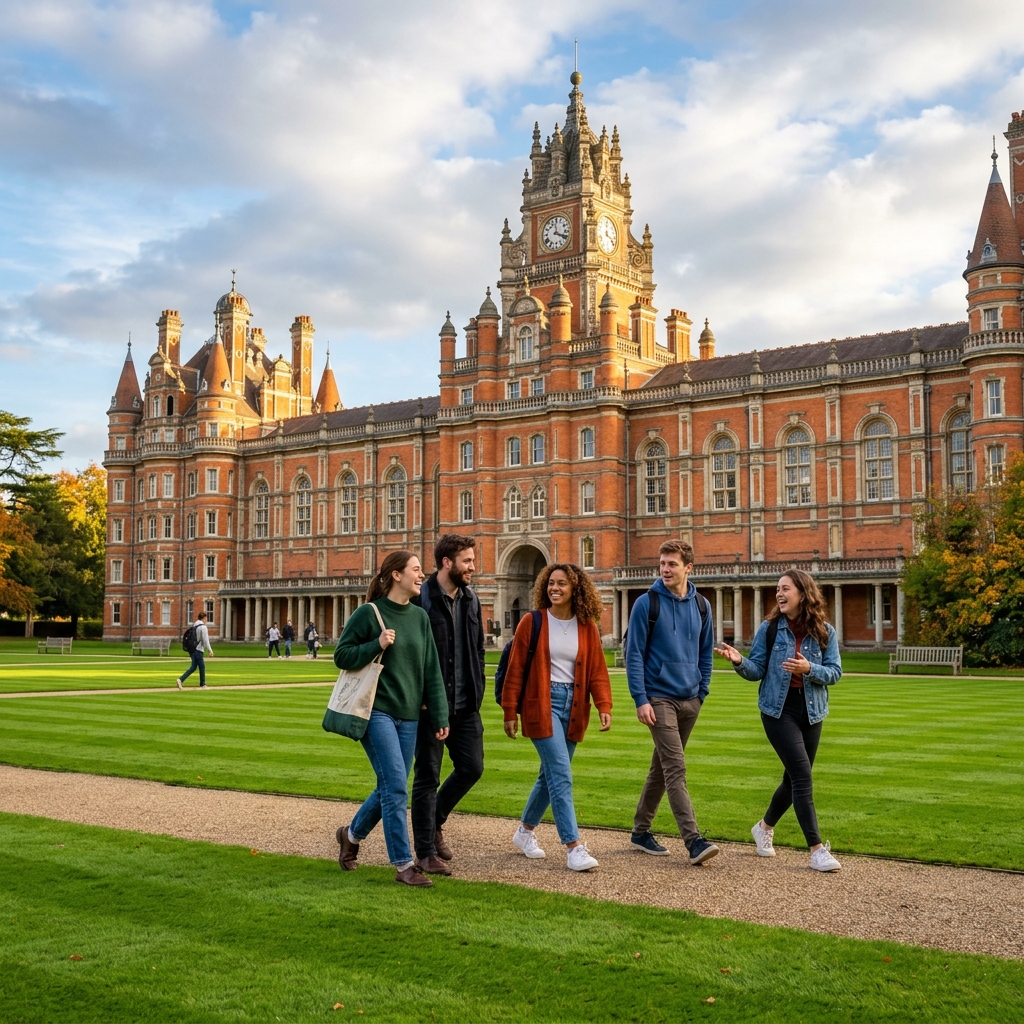


What comes next? 🎓
Choosing the right university starts with choosing the right school. Explore transparent, data-driven school profiles powered by official DfE statistics.
Explore Schools on WhatSchool.ai →