BA German and Russian
About this course
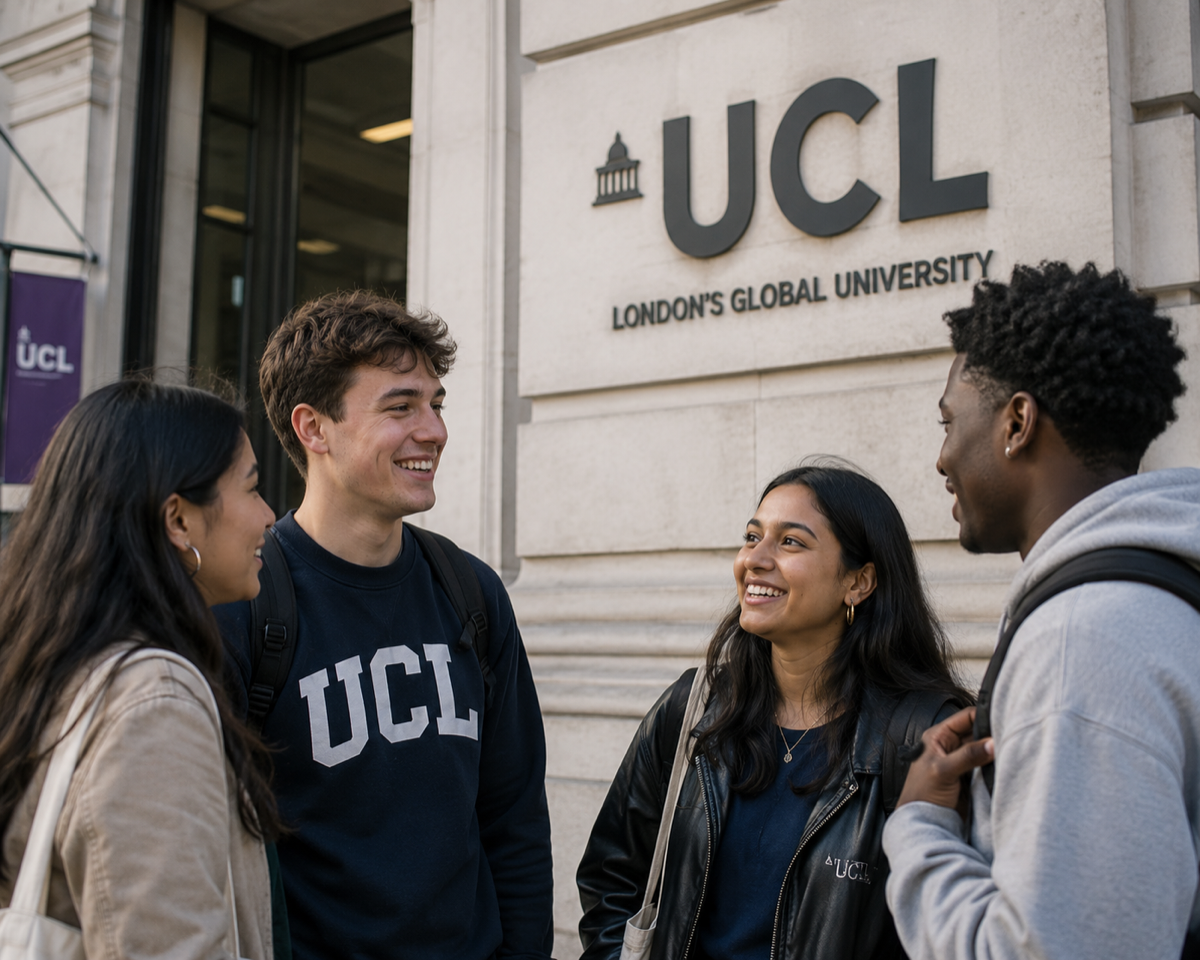
German and Russian are two of Europe's most significant languages, each with a literary and intellectual tradition of global importance. German is spoken by around 100 million people across central Europe and is the language of philosophy, music, science and some of the twentieth century's most consequential history. Russian gives access to one of the world's great literary traditions, from Tolstoy and Dostoevsky to Akhmatova and Bulgakov, as well as to the culture, politics and history of a country that has shaped the modern world in profound ways. Together, they offer an extraordinarily rich intellectual and cultural education. At University College London, this four-year full-time degree splits your study equally between the two languages, combining intensive language training with the study of literature, history, film, linguistics and politics in both German and Russian contexts. You will develop proficiency in speaking, listening, reading, writing and translation in both languages, acquiring a level of command that opens doors to academic study, professional work and cultural engagement across a wide range of European and international contexts. The third year is spent abroad, divided between a German-speaking and a Russian-speaking country, providing immersive language experience that is essential for reaching fluency. With a typical entry tariff of 152 UCAS points, the programme is demanding and rewards students who bring genuine curiosity and commitment to both languages. Graduates in German and Russian go on to careers in diplomacy, international business, journalism, translation and interpreting, the civil service, international organisations, academia, publishing, law and the cultural sector. The combination of two major European languages, each with distinct political and cultural weight, is particularly valued in government, intelligence, defence, the media and organisations working across European and Eurasian contexts. Postgraduate study in linguistics, literature, European studies, translation or area studies is a common pathway for those who want to deepen their expertise.
Syllabus & Modules
Typical curriculumStudent Satisfaction
National Student Survey - 10 respondents (52% response rate)
Similarly Ranked Alternatives

What comes next? 🎓
Choosing the right university starts with choosing the right school. Explore transparent, data-driven school profiles powered by official DfE statistics.
Explore Schools on WhatSchool.ai →