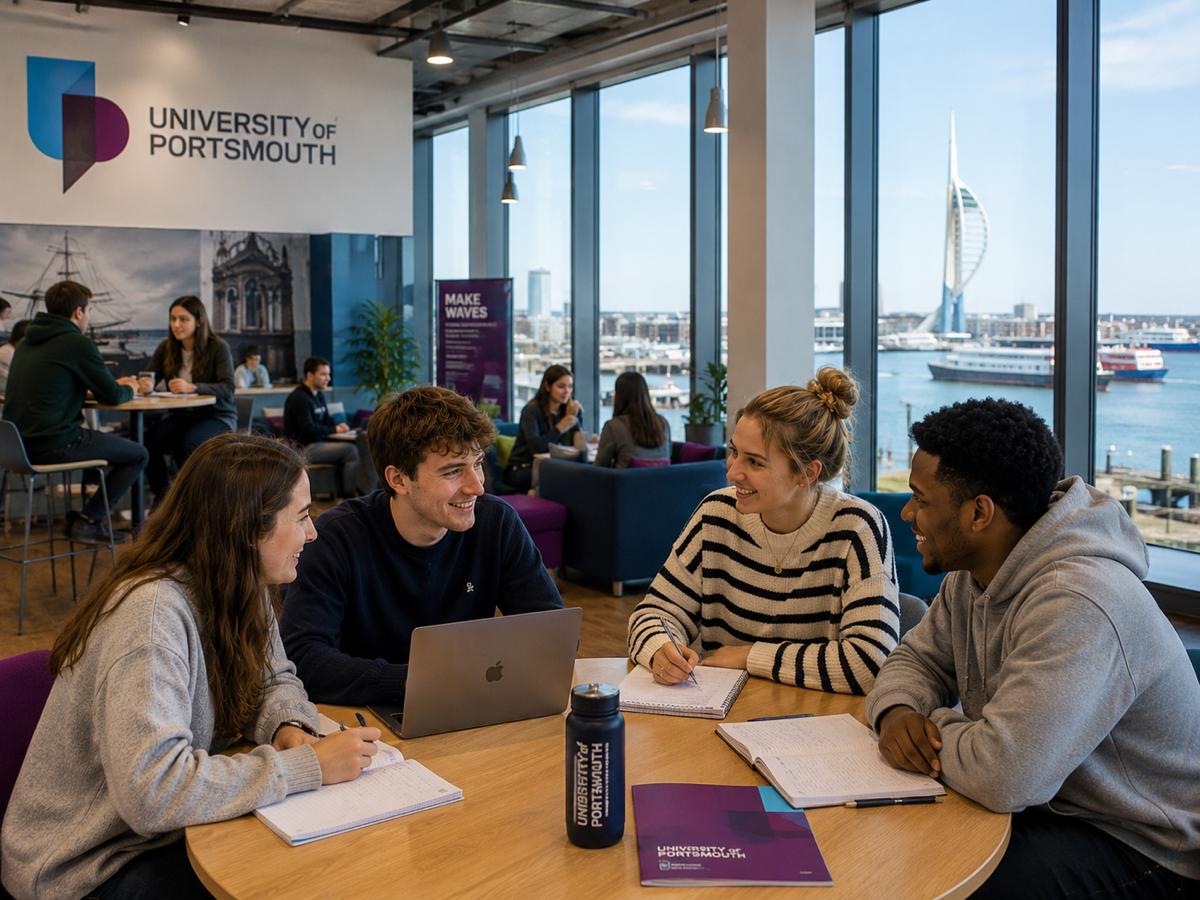
DipHE Gestalt Counselling
About this course
Gestalt counselling takes its name from the German word for whole or pattern, and the central insight it embodies is that human experience can only be properly understood as an integrated whole: not as isolated symptoms, thoughts, or behaviours, but as a coherent pattern of relating to oneself, to others, and to the environment. It is a humanistic and holistic approach to therapeutic work, drawing on existential philosophy, phenomenology, and the belief that people have an inherent capacity for growth and self-awareness. Gestalt practitioners help individuals develop new perspectives on their difficulties and find resources for positive change that they may not have previously recognised. At the University of Portsmouth this two-year full-time programme provides both the theoretical foundations and the supervised practical experience that training in gestalt counselling requires. You will study the principles and philosophy of gestalt therapy, explore the therapeutic relationship and the skills needed to work effectively with clients, and develop the self-awareness and reflective capacity that competent counselling demands. A year abroad is incorporated into the programme, providing an opportunity to encounter therapeutic approaches and professional cultures in a different national context and to broaden your perspective on the practice of counselling. Graduates from gestalt counselling programmes may go on to work as counsellors or therapists in a range of settings, including private practice, health centres, employee assistance programmes, educational institutions, and third-sector organisations. Ongoing supervision, continued professional development, and membership of professional bodies such as the British Association for Counselling and Psychotherapy are typically part of building a counselling practice after graduation. Some graduates continue to further training in gestalt or related therapeutic approaches, while others apply the principles developed through the programme to roles in coaching, education, mental health support, or organisational development.
Syllabus & Modules
Typical curriculumStudent Satisfaction
National Student Survey - 10 respondents (79% response rate)
Similarly Ranked Alternatives
What comes next? 🎓
Choosing the right university starts with choosing the right school. Explore transparent, data-driven school profiles powered by official DfE statistics.
Explore Schools on WhatSchool.ai →