BA Global Development with Economics
About this course
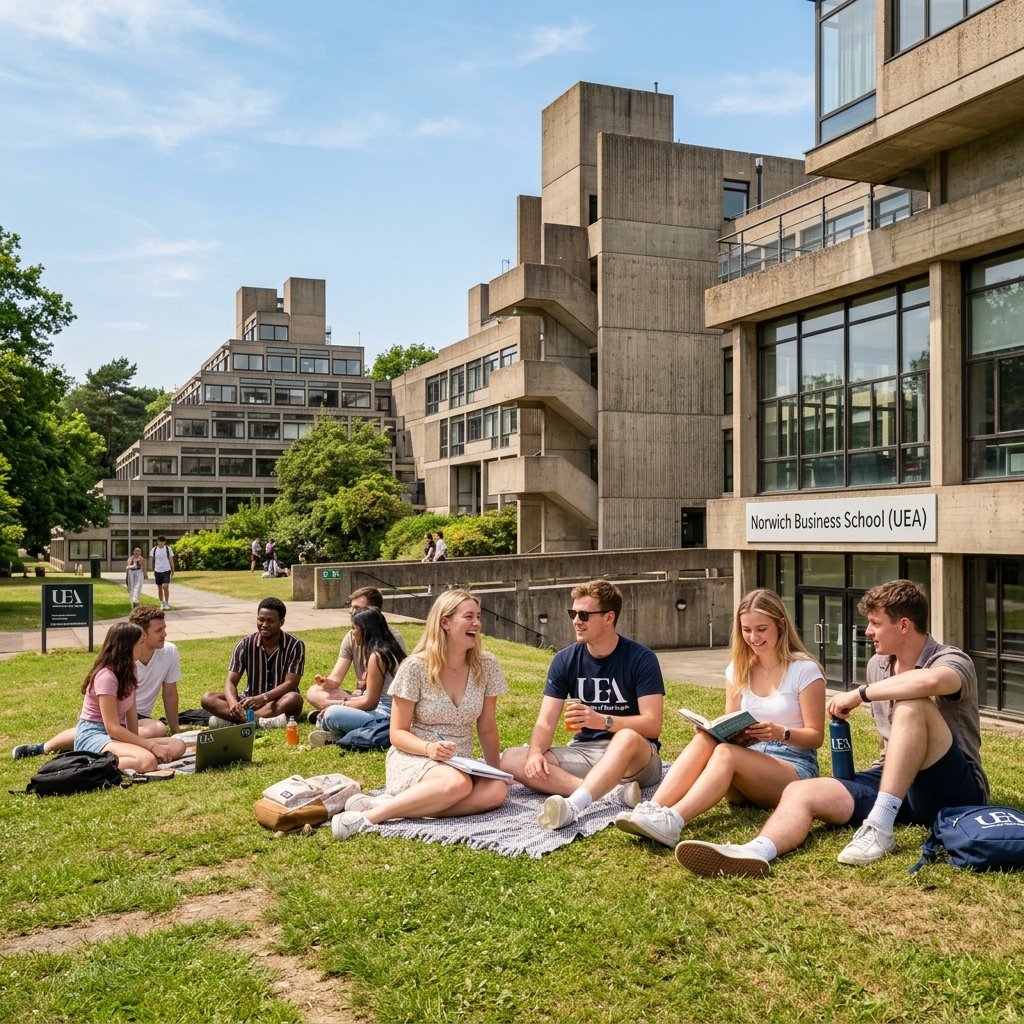
Global development with economics is a degree that asks why some countries are wealthy and others poor, and what can be done about it. Development studies brings the analytical methods of social science to bear on questions of poverty, inequality, health, education, governance, and environmental sustainability in the Global South and in the world's most marginalised communities. Economics provides the rigorous framework of theory and quantitative method that allows those questions to be addressed systematically, including the analysis of markets, trade, aid, fiscal policy, and the incentive structures within which development actors operate. Together, they form an intellectually serious and practically relevant degree. At the University of East Anglia, this three-year full-time programme benefits from UEA's long-standing and internationally recognised strength in development studies: the School of International Development is one of the most respected in the UK and has strong links with international organisations, NGOs, and policy-makers working in development. The economics component is taught to a rigorous standard, giving you quantitative and analytical tools that complement the more qualitative and political dimensions of development studies. You will study development theory and history, the political economy of poverty and inequality, health and education policy, gender and development, environmental economics, microeconomics, macroeconomics, and econometrics. The degree develops both quantitative analytical skills and the ability to engage with the social, cultural, and political dimensions of development, a combination that is increasingly sought by development organisations that need professionals who can work with both data and communities. Graduates in global development with economics work in international development organisations including the UN, World Bank, and international NGOs, in government departments concerned with international development and trade, in research institutions, and in the private sector in roles requiring development expertise. Many graduates pursue postgraduate study in development economics, international relations, development studies, or public policy. The UEA environment, with its active research connections to development policy, provides a strong platform for careers in this field.
Syllabus & Modules
Typical curriculumStudent Satisfaction
National Student Survey - 65 respondents (70% response rate)
Similarly Ranked Alternatives

What comes next? 🎓
Choosing the right university starts with choosing the right school. Explore transparent, data-driven school profiles powered by official DfE statistics.
Explore Schools on WhatSchool.ai →