BA Graphic Design with Arts Foundation Year
About this course
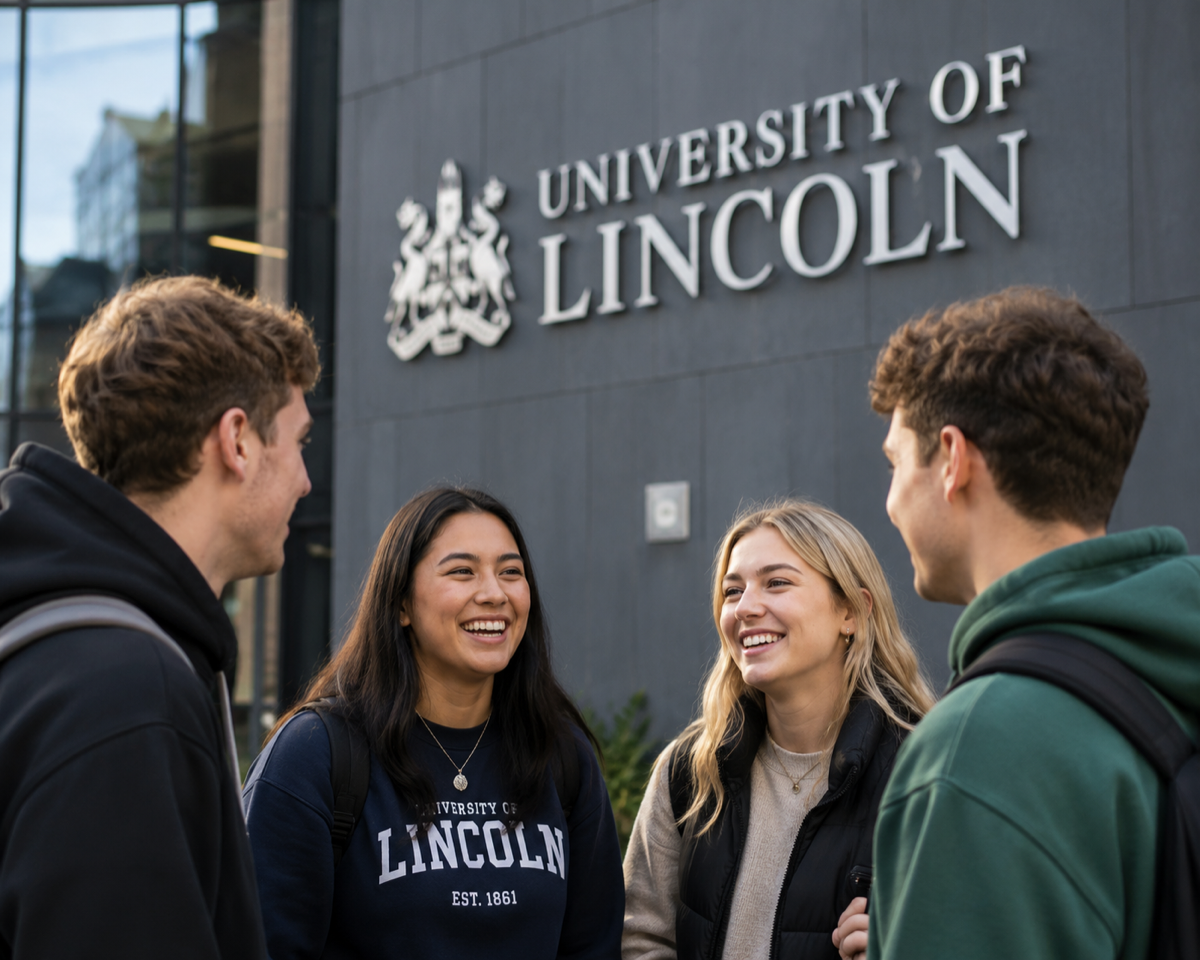
Graphic design is the practice of visual communication, shaping how information is presented, how ideas are expressed, and how organisations present themselves to the world. It encompasses typography, image-making, layout, branding, packaging, digital interfaces, and motion graphics, and it operates at the intersection of visual thinking, cultural knowledge, and technical skill. As communication has moved decisively onto digital platforms, the range of contexts in which graphic designers work has expanded considerably. At the University of Lincoln, this four-year full-time programme begins with an Arts Foundation Year that is shared across a wide range of creative degree programmes, including animation, architecture, fine art, illustration, and product design. This interdisciplinary foundation year develops your core creative skills, your understanding of visual culture, and your confidence in making and reflecting on work, before you specialise in graphic design from the second year onwards. You will learn typography, branding, image-making, layout, and digital design, building a technical command of the tools of the profession alongside a critical understanding of design history and theory. Projects will introduce you to the kinds of briefs that professional designers encounter, and the programme includes a sandwich year and work placement, ensuring that you have substantive professional experience before you graduate. The typical entry tariff is 120 UCAS points. Graduates from graphic design programmes go into careers as graphic designers, brand designers, art directors, UX designers, motion designers, typographers, and design consultants in studios, agencies, in-house design teams, and as freelancers. Further study at postgraduate level in graphic design, branding, or design research is also an option for those who wish to extend their expertise or move into academic practice.
Syllabus & Modules
Typical curriculumStudent Satisfaction
National Student Survey - 115 respondents (79% response rate)
Similarly Ranked Alternatives



What comes next? 🎓
Choosing the right university starts with choosing the right school. Explore transparent, data-driven school profiles powered by official DfE statistics.
Explore Schools on WhatSchool.ai →