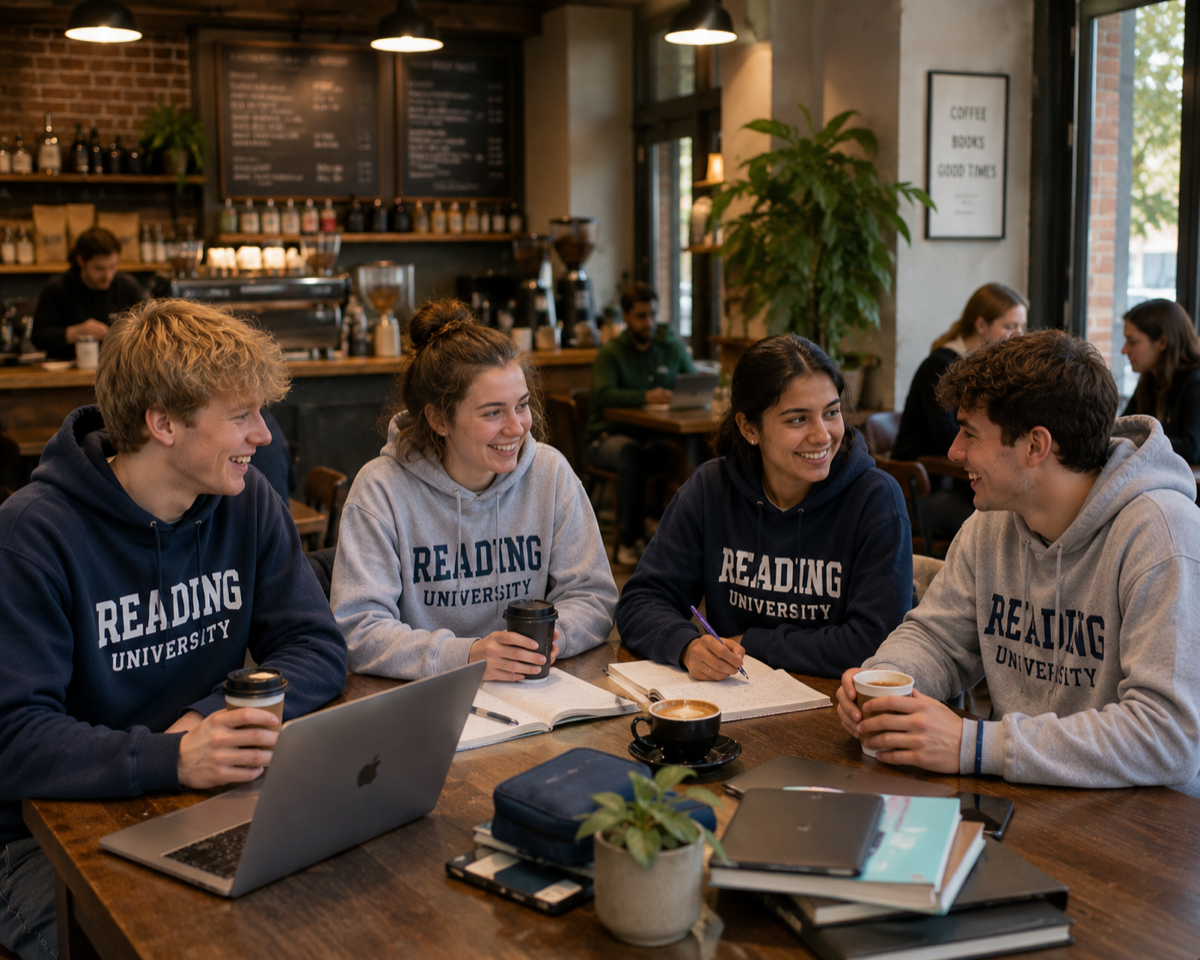
BA History and Politics
About this course
History and politics have a close and mutually illuminating relationship. History provides the long view, showing how political institutions, ideologies and conflicts have developed over time and warning against the assumption that present arrangements are natural or permanent. Politics provides the analytical frameworks for understanding power, governance and political behaviour in ways that history alone cannot supply. Together they develop a capacity for informed, critical thinking about the past and present of human societies that is among the most valuable forms of intellectual training available. At the University of Reading this three-year full-time programme allows you to study both disciplines with genuine depth, moving between historical analysis and political science as you develop your understanding of how societies change and how power is organised and contested. In history you will engage with primary sources, historiographical debate and the methods of historical inquiry across a range of periods and places. In politics you will study political theory, comparative politics, international relations and public policy, developing the analytical and quantitative tools of the contemporary social scientist. The programme includes a sandwich year placement and a year abroad, as well as built-in work experience, giving you professional exposure and international perspective alongside your academic studies. Graduates from history and politics programmes go on to work across a wide range of fields. The civil service, parliament, journalism, think tanks, international organisations, NGOs, law, public affairs and consultancy are all common destinations. The combination of historical depth and political analytical skill is particularly valued in careers that require both contextual understanding and the ability to navigate complex institutional environments. Many graduates continue to postgraduate study in history, politics, international relations, law or public administration. The placement and year abroad built into this programme strengthen both your employability and your capacity to think across cultural and institutional boundaries.
Syllabus & Modules
Typical curriculumStudent Satisfaction
National Student Survey - 105 respondents (69% response rate)
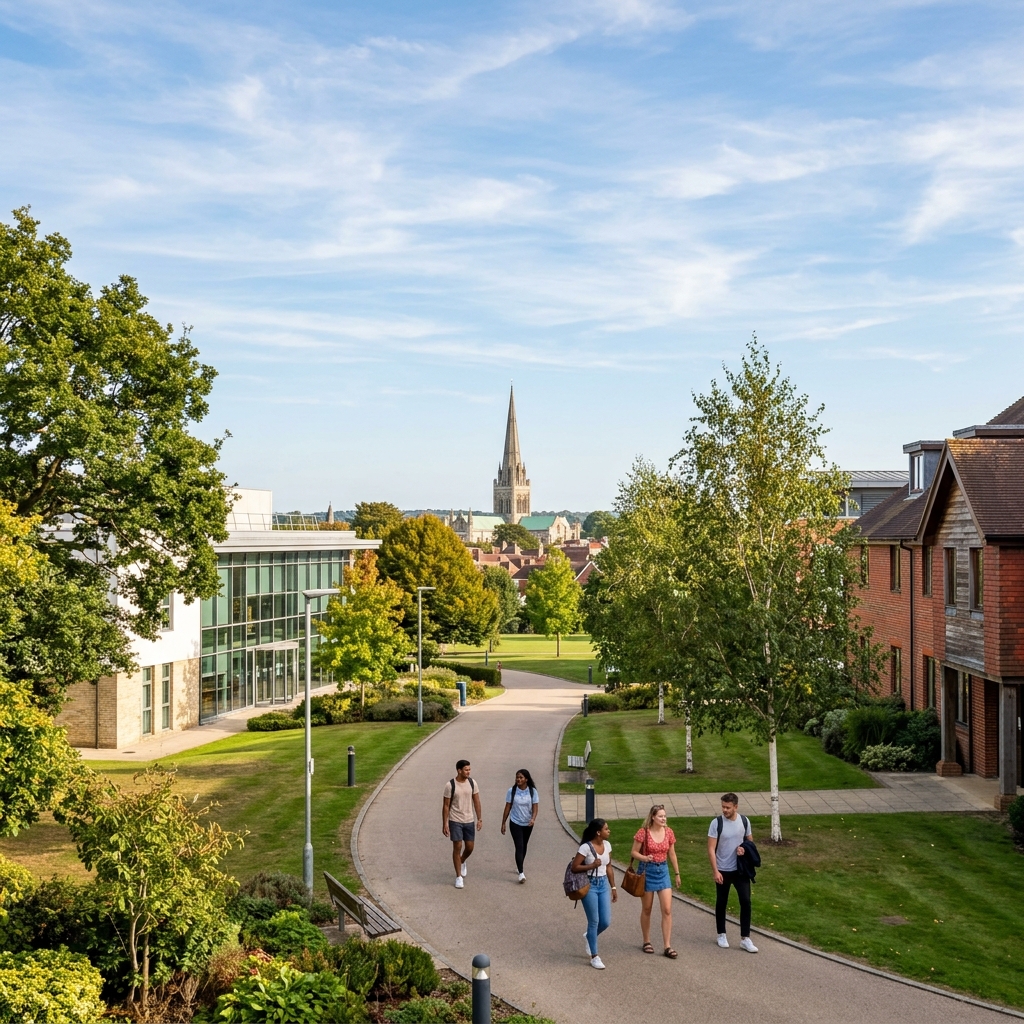
Similarly Ranked Alternatives

What comes next? 🎓
Choosing the right university starts with choosing the right school. Explore transparent, data-driven school profiles powered by official DfE statistics.
Explore Schools on WhatSchool.ai →