MA History of Art
About this course
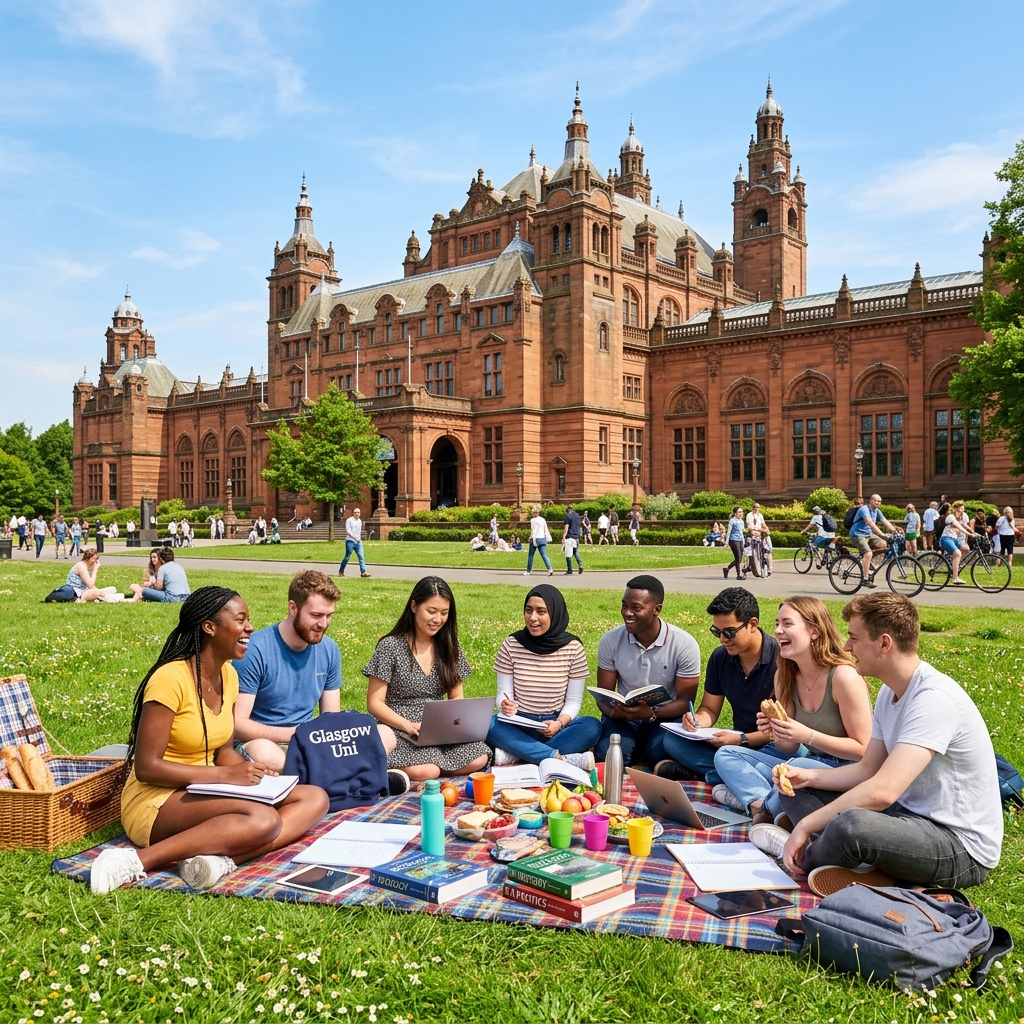
History of art asks how and why paintings, sculptures, buildings, and works of design in a variety of media come to look the way they do. It is a discipline that requires patient, careful looking alongside rigorous historical and theoretical thinking, combining the pleasures of visual attention with the intellectual work of understanding meaning, context, and interpretation. The field spans ancient to contemporary and encompasses traditions from across the world, making it one of the most culturally ambitious of the humanities. At the University of Glasgow, this four-year full-time programme develops your skills in close formal analysis, historical research, and critical writing across a wide range of periods and traditions. You will engage with the major methodological debates in the discipline, from formalist analysis and iconographic traditions to social history, gender theory, psychoanalysis, and postcolonial approaches, understanding these not as competing orthodoxies but as tools that allow you to ask genuinely different questions about the same work. The programme includes a year abroad, which places you in a different museum culture and academic environment, deepening your engagement with art history as it is practised internationally and giving you access to collections and scholarly traditions beyond the UK. The typical entry tariff is 184 UCAS points, reflecting the high academic demands of the programme. You will develop strong skills in sustained written argument, close visual description, and original research that are valuable well beyond the specific content of the degree. Graduates from history of art programmes go on to careers in museums, galleries, auction houses, arts administration, publishing, journalism, arts education, heritage, and cultural policy. Many proceed to postgraduate study in art history, curating, or arts management. The analytical and communication skills the degree develops also translate well into law, the civil service, and consultancy.
Syllabus & Modules
Typical curriculumStudent Satisfaction
National Student Survey - 15 respondents (68% response rate)
Similarly Ranked Alternatives



What comes next? 🎓
Choosing the right university starts with choosing the right school. Explore transparent, data-driven school profiles powered by official DfE statistics.
Explore Schools on WhatSchool.ai →