High Drop-out Rate Alert
25% of students drop out or transfer from this specific course. Consider asking why on an open day.
BA History with Economics (3-year degree)
About this course
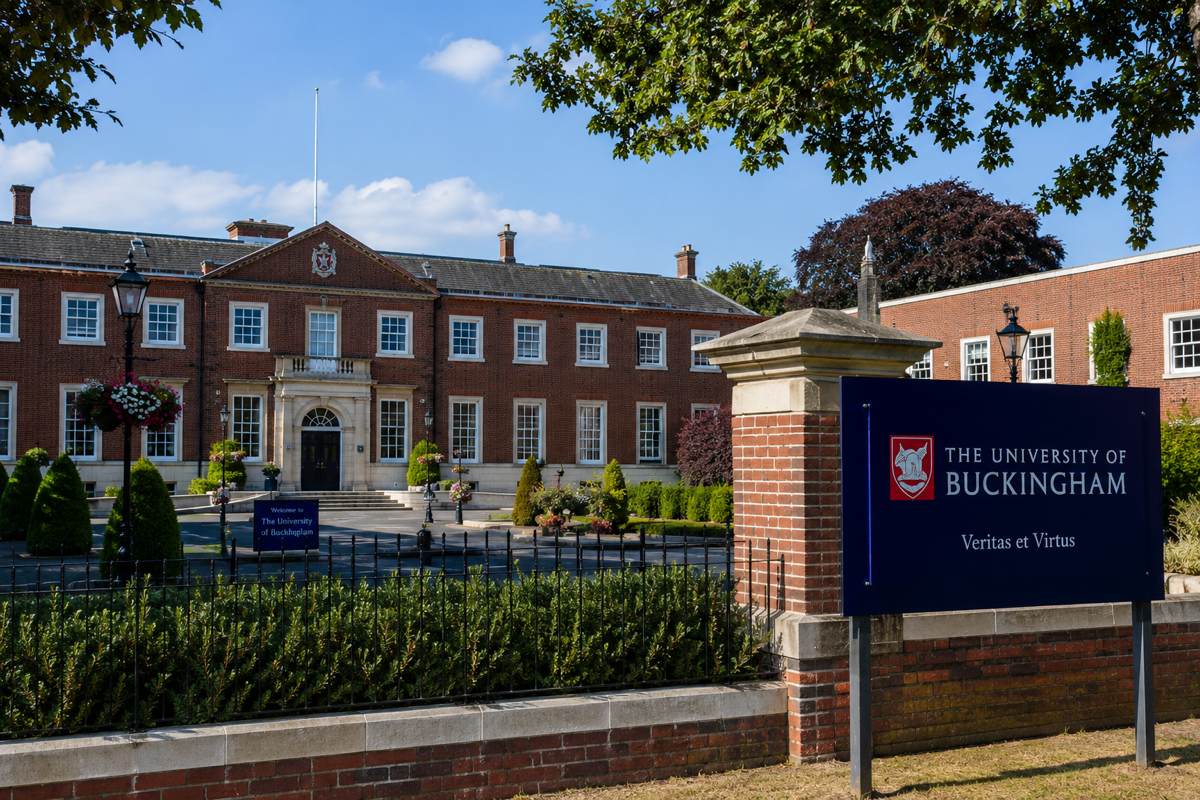
History is the disciplined study of human experience across time, and it matters because without a sense of how we arrived at the present, it is almost impossible to understand why the world looks the way it does. Combining it with economics adds a second analytical language, one rooted in how societies allocate resources, create wealth, and respond to scarcity. Together the two subjects build a powerful toolkit for making sense of change, whether in political systems, social structures, or the economic forces that underpin both. At Buckingham, this three-year full-time programme gives you the chance to develop your understanding of the past alongside the formal reasoning and quantitative literacy that economics demands. The historical side of your studies will teach you to interrogate evidence, construct arguments from incomplete information, and appreciate how different groups of people have experienced the same events in very different ways. The economics strand will introduce you to microeconomic and macroeconomic theory, the history of economic thought, and the relationship between markets and the broader social world. Studied alongside each other, the two disciplines reveal how economic conditions have driven historical change, and how historical context shapes economic behaviour in ways that purely theoretical models can miss. History teaches you to think independently, to work under pressure, and to build a coherent, well-evidenced argument, skills that employers across many sectors value highly. Add to that the analytical rigour and quantitative awareness of economics and you have a combination that opens doors in finance, public policy, journalism, research, consultancy, law, and the civil service. Graduates often find that their ability to combine depth of understanding with breadth of perspective marks them out from candidates with more narrowly specialised backgrounds. Postgraduate study in history, economic history, public policy, or related disciplines is also a natural next step for those who wish to pursue research or specialist roles.
Syllabus & Modules
Typical curriculumStudent Satisfaction
National Student Survey - 20 respondents (54% response rate)
Similarly Ranked Alternatives



What comes next? 🎓
Choosing the right university starts with choosing the right school. Explore transparent, data-driven school profiles powered by official DfE statistics.
Explore Schools on WhatSchool.ai →