High Drop-out Rate Alert
45% of students drop out or transfer from this specific course. Consider asking why on an open day.
BA Immersive Media and Mixed Reality
About this course
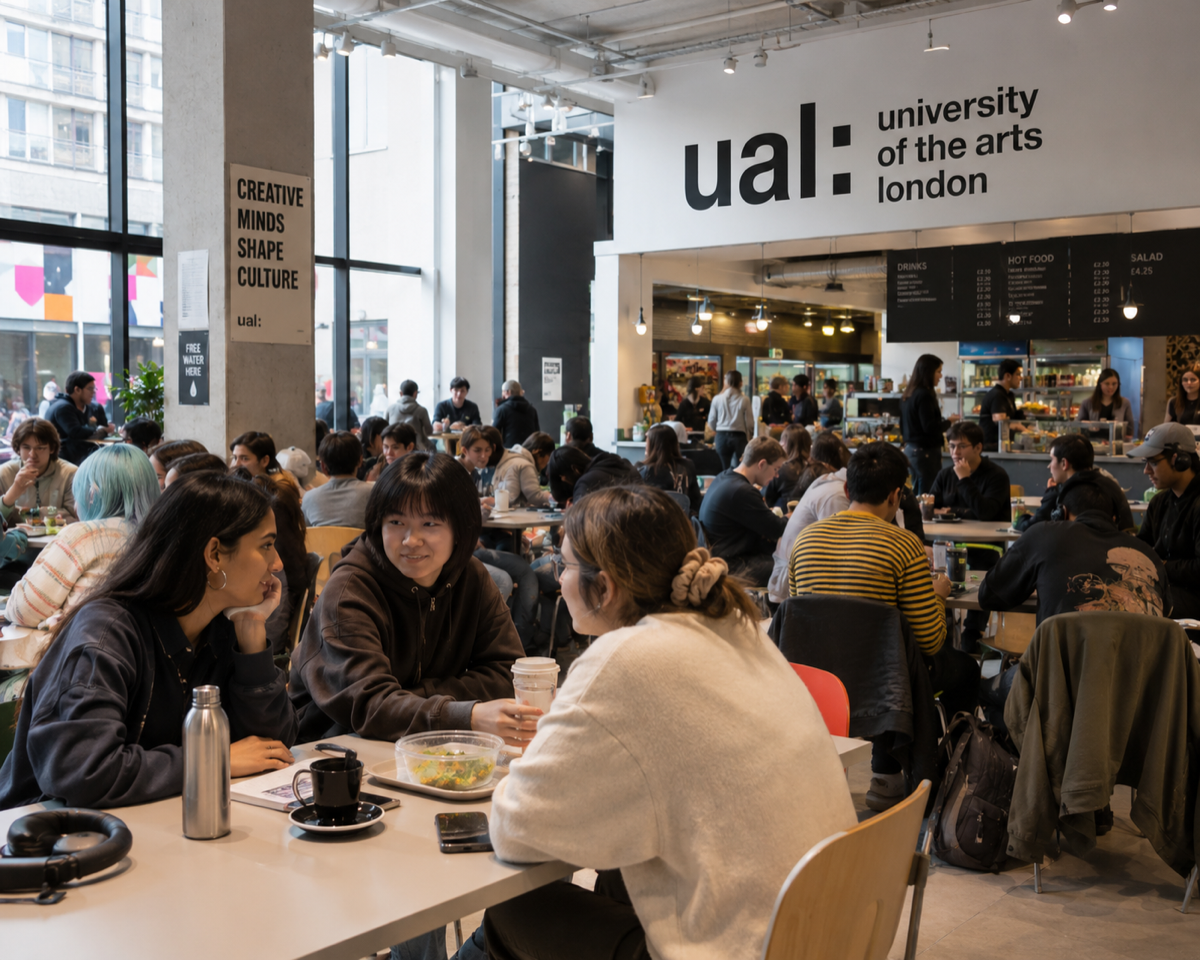
Immersive media and mixed reality sit at the frontier of how human beings experience digital content. Virtual reality, augmented reality, and mixed reality technologies are transforming storytelling, entertainment, education, healthcare, architecture, and industrial training, creating experiences that blur the boundaries between the physical and the digital in ways that traditional screen-based media cannot. Designing and building these experiences requires a new kind of creative and technical fluency, one that combines artistic sensibility with an understanding of spatial computing, human perception, and interactive systems. At the University of the Arts, London, this three-year full-time programme prepares you to work at this intersection of creativity and technology. You will develop skills in 3D design, spatial storytelling, user experience design, programming, and the production tools used to create virtual and augmented reality experiences. The programme encourages experimentation and critical reflection, asking you to engage not just with how these technologies work but with the aesthetic, social, and ethical questions they raise. A sandwich year and work placement opportunities are available, giving you the chance to gain professional experience in studios, technology companies, or creative organisations during your studies. UAL's connections across the creative industries and its position in London place you at the centre of a significant ecosystem for immersive media development. Graduates go on to work as immersive media designers, VR and AR developers, interactive experience designers, and creative technologists across entertainment, gaming, advertising, architecture, education, and healthcare. The combination of creative and technical skills the degree develops is valued in studios working on everything from immersive theatre and museum experiences to industrial simulation and medical training applications. Many graduates also pursue postgraduate study in digital arts, interaction design, or creative technology.
Syllabus & Modules
Typical curriculumStudent Satisfaction
National Student Survey - 10 respondents (79% response rate)
Similarly Ranked Alternatives


What comes next? 🎓
Choosing the right university starts with choosing the right school. Explore transparent, data-driven school profiles powered by official DfE statistics.
Explore Schools on WhatSchool.ai →