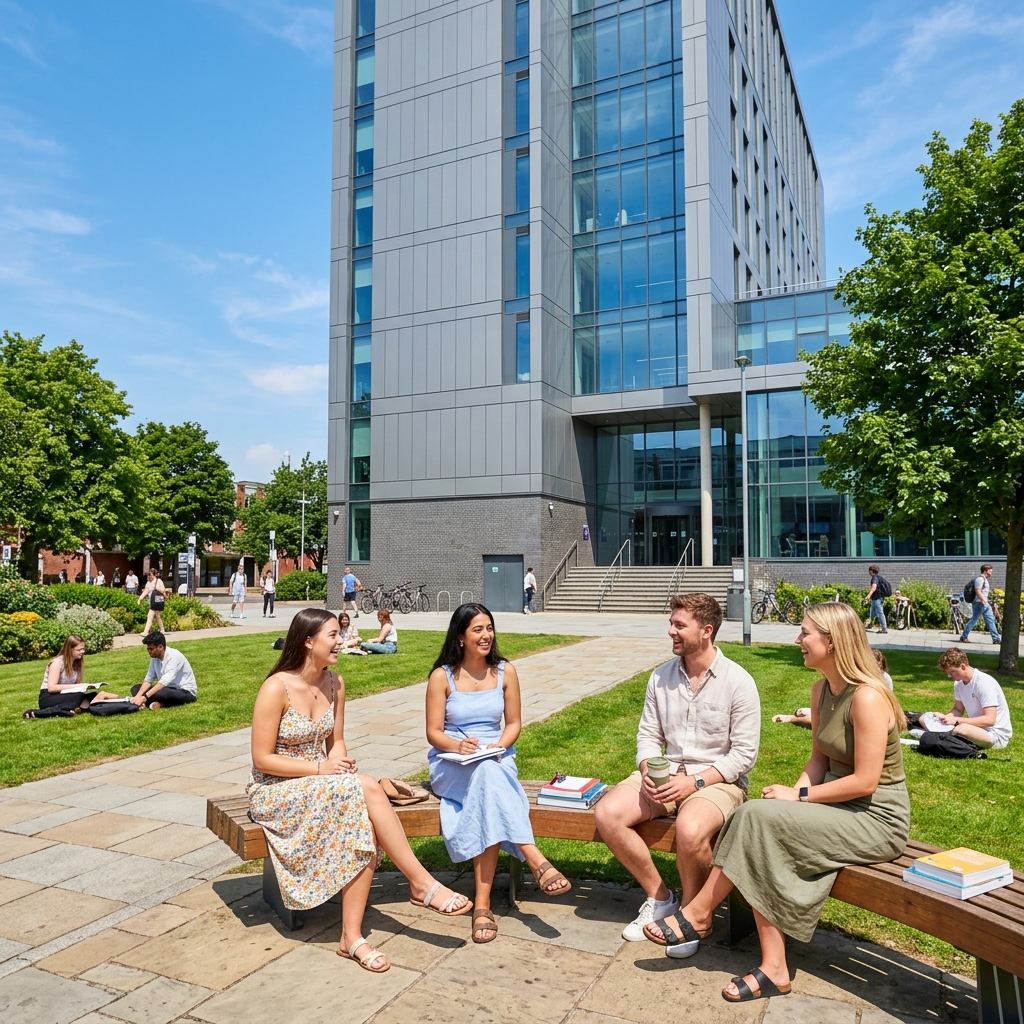
BA International Development and Languages with Foundation Year
About this course
International development and languages is a combination that takes seriously both the material realities of global inequality and the linguistic and cultural dimensions that shape how development is understood and practised. International development examines the economic, political, social, and environmental processes that affect human wellbeing across the globe, engaging with questions of poverty, access to education and healthcare, gender equality, governance, conflict, and environmental sustainability. Languages adds the communication competence needed to engage directly with communities and organisations in the countries where development work takes place, rather than simply studying them from a distance. At the University of Portsmouth, this four-year full-time degree includes a foundation year and a year abroad, making it both accessible and internationally engaged. The foundation year provides a supported entry route for students who would benefit from additional preparation, while the year abroad gives you direct experience in a different country that can be formative for those intending to work internationally. You will study the theories and debates of development studies, examining different models of development and the evidence for and against different interventions, alongside language study that builds communication competence for international contexts. The programme develops your ability to think critically about global inequality, to understand different cultural perspectives, and to communicate across linguistic boundaries. Graduates of international development and languages programmes work in NGOs, international organisations including UN agencies and development banks, government departments, research institutes, and the charitable sector. The language skills the degree develops are a genuine asset in a sector where the ability to engage with communities in their own languages is increasingly valued as a marker of respect and effectiveness. Further study options include postgraduate degrees in international development, global health, humanitarian affairs, area studies, and related disciplines.
Syllabus & Modules
Typical curriculumStudent Satisfaction
National Student Survey - 45 respondents (60% response rate)
Similarly Ranked Alternatives
What comes next? 🎓
Choosing the right university starts with choosing the right school. Explore transparent, data-driven school profiles powered by official DfE statistics.
Explore Schools on WhatSchool.ai →