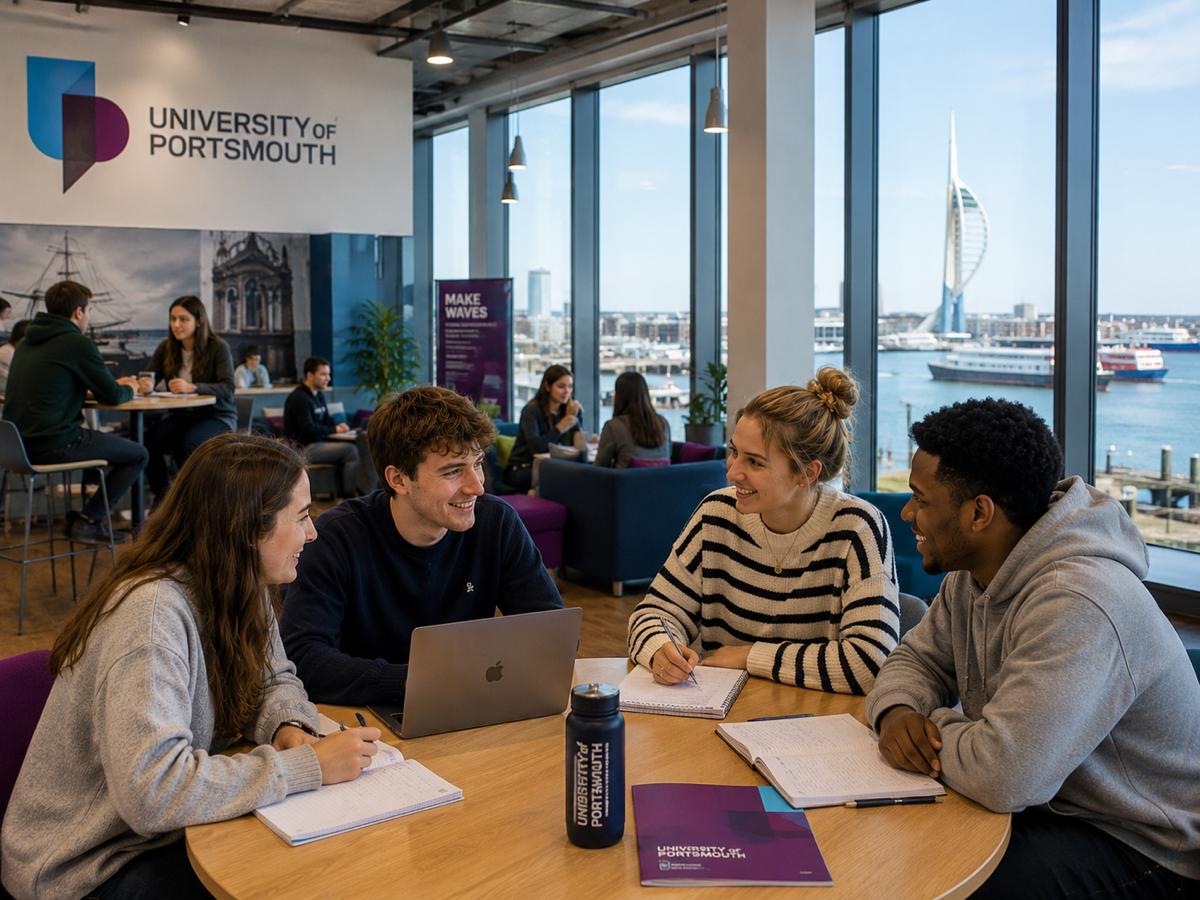
BA International Development
About this course
International development is the study of why some societies are wealthier, healthier, and more secure than others, and what can be done to improve conditions in the parts of the world where poverty, inequality, and vulnerability are most acute. It draws on economics, politics, sociology, anthropology, and environmental science to examine the processes of development and underdevelopment, the role of international institutions and aid, the relationship between governance and growth, and the social and environmental dimensions of change. As climate change, migration, and global health challenges make the interdependence of the world ever more apparent, understanding development is not just an academic exercise but a practical and ethical necessity. At Portsmouth, this three-year programme addresses major global challenges including poverty, hunger, environmental sustainability, universal education, and healthcare access. You will engage with the theoretical frameworks that structure development thinking, from modernisation and dependency theory to human development approaches and post-development critique, and you will study specific regional and thematic cases in depth. A sandwich year in industry, a year abroad, and a work placement are all built into the programme, providing direct professional experience in development contexts and the opportunity to encounter the issues you are studying from the inside. Graduates go on to work in international NGOs, UN agencies, bilateral aid programmes, government departments concerned with international development and foreign affairs, research institutes, and the private sector in contexts that have development dimensions. The analytical and research skills the programme develops are also valuable in policy, journalism, and the charity sector. Many graduates continue to postgraduate study in development studies, international relations, or global health, and some pursue doctoral research in related areas.
Syllabus & Modules
Typical curriculumStudent Satisfaction
National Student Survey - 15 respondents (65% response rate)
Similarly Ranked Alternatives

What comes next? 🎓
Choosing the right university starts with choosing the right school. Explore transparent, data-driven school profiles powered by official DfE statistics.
Explore Schools on WhatSchool.ai →