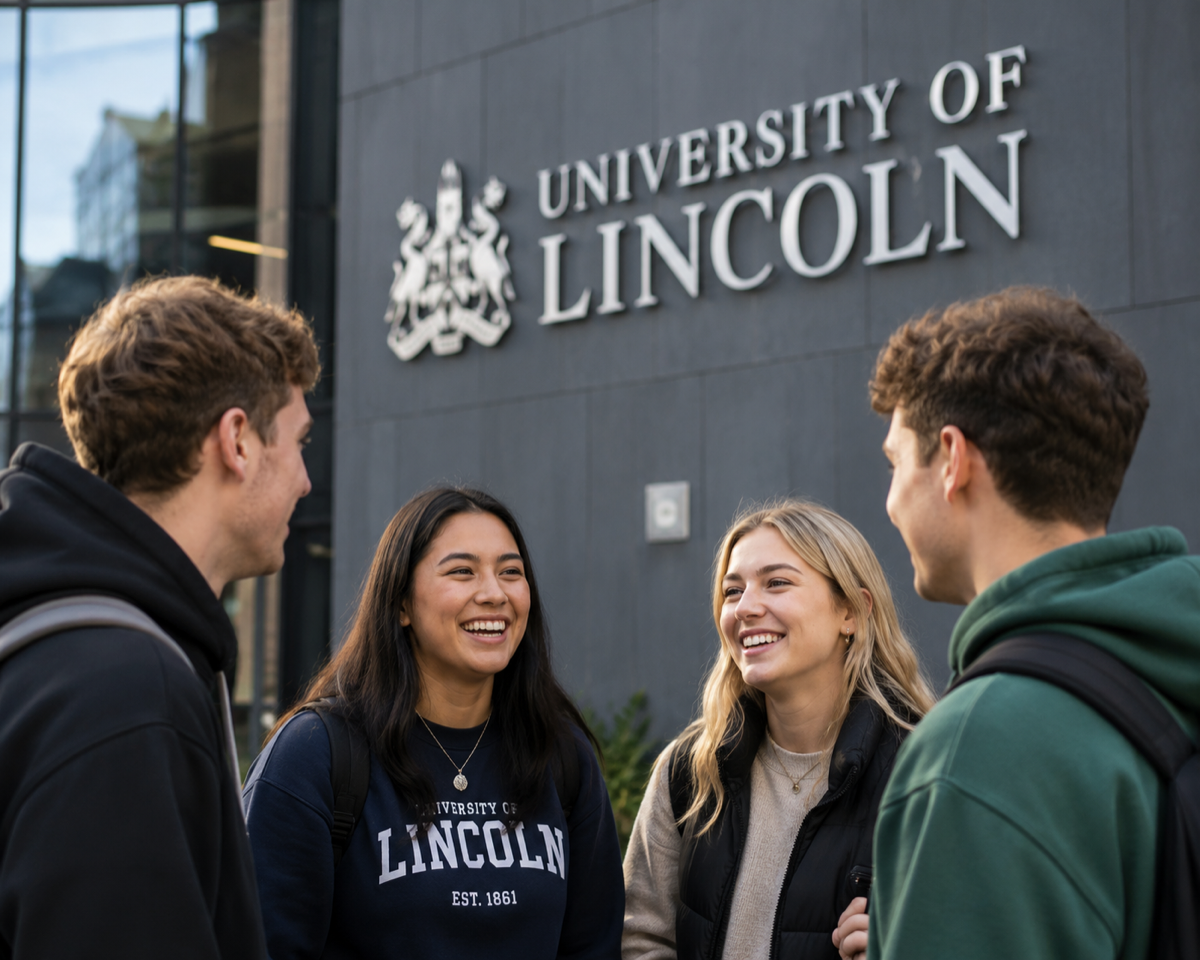
BA Journalism Studies
About this course
Journalism is one of the essential practices of a functioning democracy. It holds power to account, informs public debate, and gives voice to those who might otherwise be ignored. Studying journalism at degree level goes well beyond learning how to craft a good story: it explores the rich history of the profession, the important role journalism plays in society, and the difficult questions about trust, ethics, and commercial pressure that are more urgent today than ever before. At the University of Lincoln, this three-year full-time programme prepares you for the practical realities of contemporary journalism across print, broadcast, online, and social media, while giving you the theoretical and historical grounding to understand what you are doing and why it matters. You will develop skills in news reporting, feature writing, interviewing, verification, data journalism, audio and video production, and digital storytelling, alongside an understanding of media law, press regulation, and journalistic ethics. The programme encourages you to think critically about the media landscape and about your own role within it, as well as to develop a strong professional identity grounded in accuracy, fairness, and public accountability. The course includes a sandwich year and work placement, giving you extended professional experience in a journalistic environment before you graduate. The typical entry tariff is 120 UCAS points. Graduates from journalism programmes go on to work in print and online media, broadcast journalism, radio, television, podcasting, public relations, communications, and content strategy. Many work in local and regional news, specialist publications, national titles, or as freelancers across multiple platforms. Further study options include postgraduate journalism qualifications, broadcast journalism diplomas, and master's degrees in media and communications.
Syllabus & Modules
Typical curriculumStudent Satisfaction
National Student Survey - 50 respondents (92% response rate)
Similarly Ranked Alternatives



What comes next? 🎓
Choosing the right university starts with choosing the right school. Explore transparent, data-driven school profiles powered by official DfE statistics.
Explore Schools on WhatSchool.ai →