High Drop-out Rate Alert
17% of students drop out or transfer from this specific course. Consider asking why on an open day.
BA Korean and History
About this course
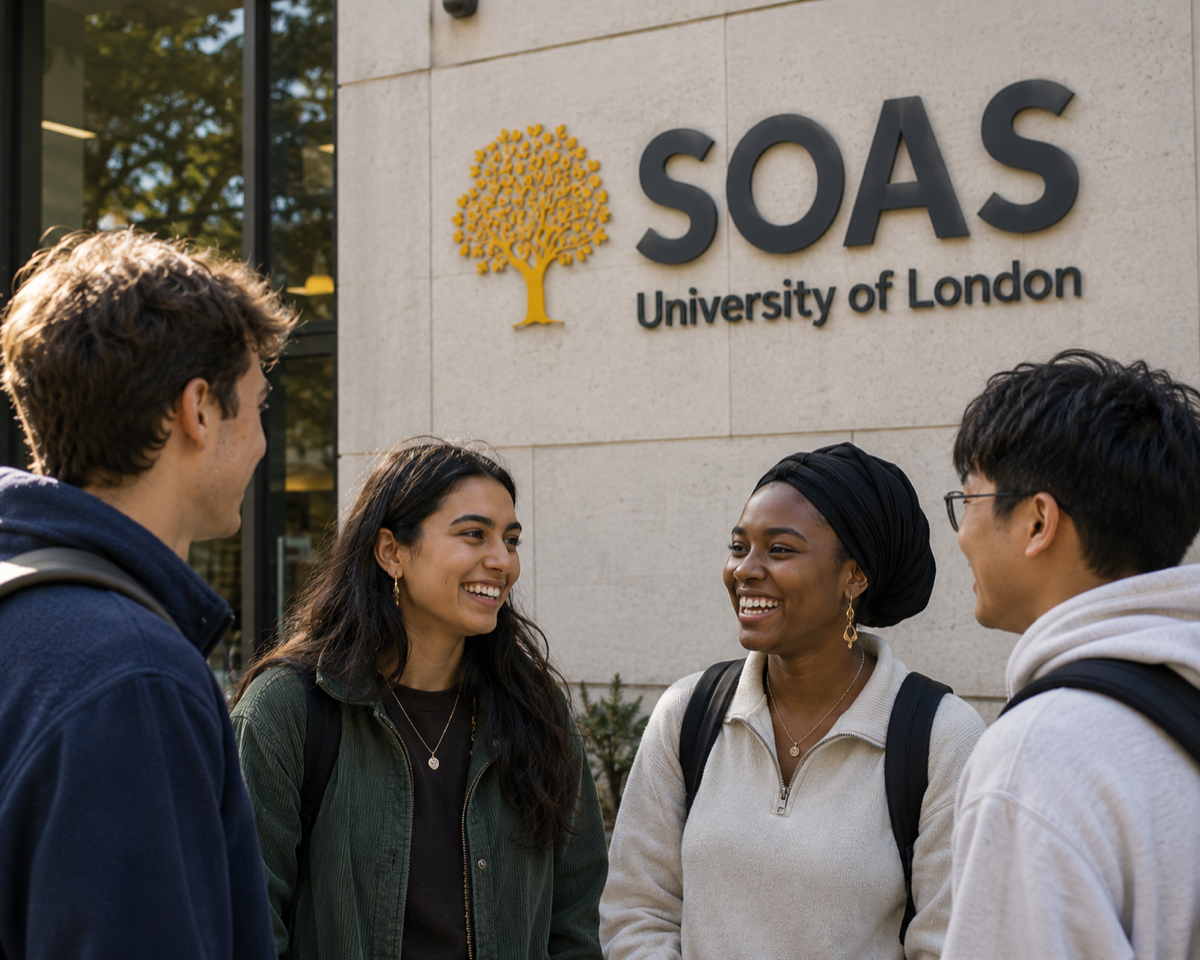
Korean and history is a combination that opens access to one of East Asia's most dynamic and culturally significant societies alongside the intellectual discipline that makes sense of how societies change over time. Korean is spoken by approximately eighty million people on the Korean peninsula and by diaspora communities worldwide, and it carries a literary, artistic and intellectual tradition of genuine depth. South Korea in particular has become a global cultural force in music, cinema, television and digital industries, while its economic transformation over the last half century represents one of the most remarkable development stories in modern history. History provides the analytical tools to understand these trajectories. At SOAS, whose scholarly identity is built around the languages, cultures and histories of Asia and Africa, this four-year, full-time programme allows you to develop Korean to a high level alongside rigorous historical study. You will build your Korean language skills from the foundation year's preparatory stage through to advanced reading, writing and speaking, engaging with Korean literature, culture and contemporary society as your proficiency grows. In history you will develop the research methods and interpretive skills to work with primary sources, construct well-reasoned historical arguments and engage with historiographical debates. The foundation year provides a supported entry for those without prior Korean language study. Graduates of Korean and history programmes pursue careers in education, international business, journalism, broadcasting, translation and interpreting, the civil service, NGOs, cultural organisations, academic research and the wide range of industries in which Korea's global economic and cultural presence makes Korean expertise valuable. Postgraduate study in Korean studies, history, area studies, international relations or translation is a natural continuation for many graduates.
Syllabus & Modules
Typical curriculumStudent Satisfaction
National Student Survey - 80 respondents (69% response rate)
Similarly Ranked Alternatives
What comes next? 🎓
Choosing the right university starts with choosing the right school. Explore transparent, data-driven school profiles powered by official DfE statistics.
Explore Schools on WhatSchool.ai →