LLB Law with Politics
About this course
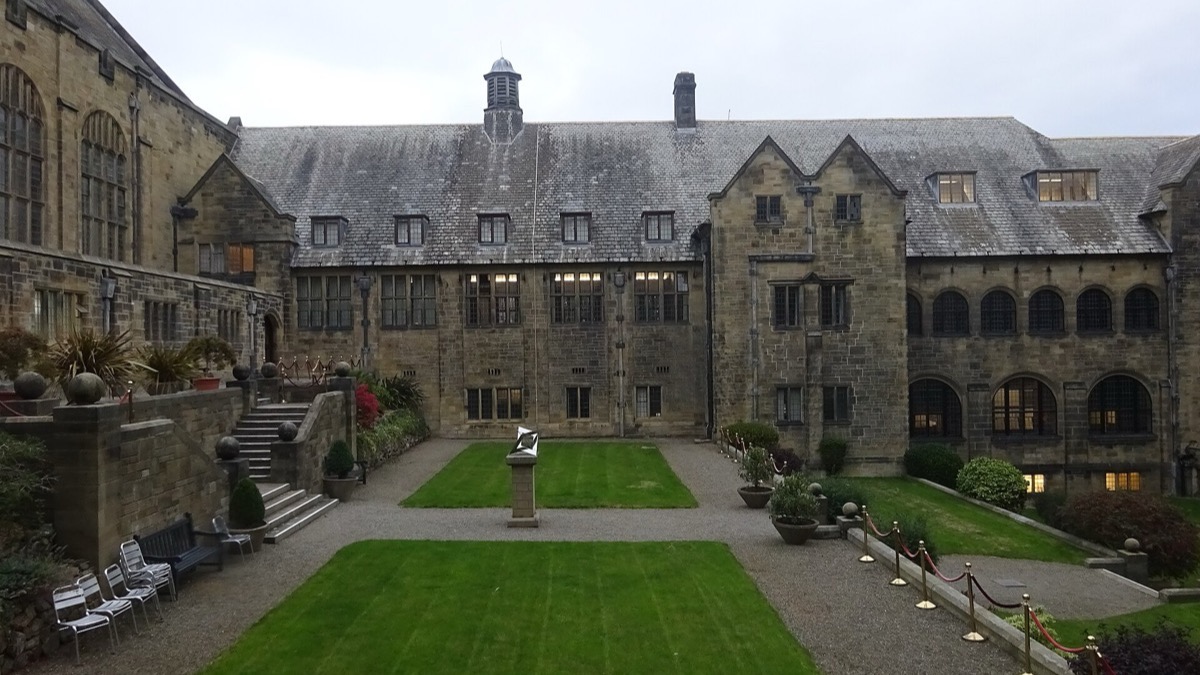
Law and politics share a deep and productive relationship. Politics produces the conditions in which law is made, while law constrains and channels what political actors can do. Studying both together gives you a richer understanding of each, allowing you to examine not just the rules that govern societies but the processes, ideologies and power structures that produce and contest those rules. It is a combination that develops sharp analytical thinking, persuasive communication and an understanding of how institutions work. At Bangor University, the law component covers the foundational subjects that underpin legal study, including contract, tort, criminal law, constitutional and administrative law, and the principles of equity. The politics strand introduces you to political theory, comparative government, international relations and the study of political behaviour and institutions. Together they invite you to think about authority, rights, democracy and justice from multiple directions, legal, philosophical and empirical. The programme runs over three years and includes a foundation year, a sandwich year, a work placement and a year abroad. The foundation year builds the skills and confidence needed for degree-level study. The sandwich and placement elements give you structured professional experience, which might be in legal practice, government, policy organisations or civil society. The year abroad broadens your perspective by exposing you to different legal and political systems, which deepens your comparative understanding in ways that strengthen both strands of the degree. Graduates go on to a wide range of careers, including the law, the civil service, politics and government, policy research, journalism, international organisations, NGOs and the private sector in roles requiring regulatory or political expertise. Some pursue the legal practice route, training as solicitors or barristers. Others move into postgraduate study in law, political science, public policy or international relations, building on the comparative and analytical foundation this degree provides.
Syllabus & Modules
Typical curriculumStudent Satisfaction
National Student Survey - 125 respondents (77% response rate)
Similarly Ranked Alternatives



What comes next? 🎓
Choosing the right university starts with choosing the right school. Explore transparent, data-driven school profiles powered by official DfE statistics.
Explore Schools on WhatSchool.ai →