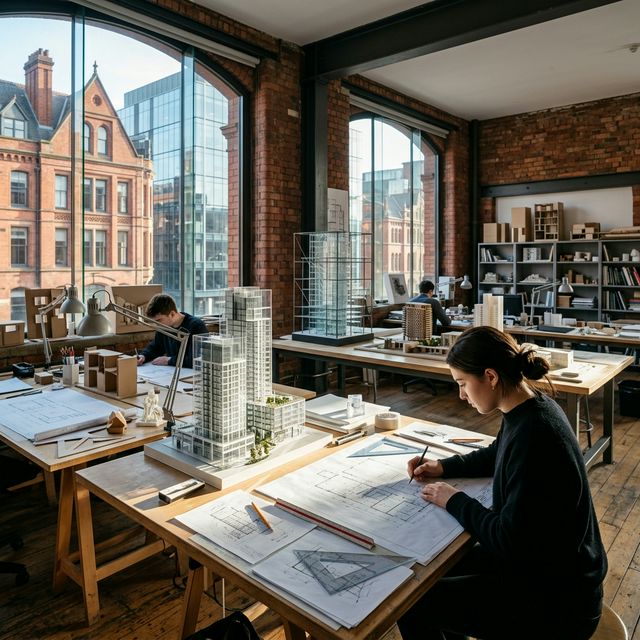
MPLAN Master of Planning
About this course
Planning is the discipline that shapes how land is used, how communities grow, and how the built and natural environment is managed over time. It is inherently interdisciplinary, drawing on law, economics, geography, architecture, environmental science, and politics to address questions about where development should go, what it should look like, and who benefits from it. Planners work at the interface of public policy and private development, using statutory powers and professional judgement to guide change in ways that are, in principle, in the long-term public interest. The University of Manchester's five-year full-time Master of Planning programme is an integrated undergraduate and postgraduate award, designed to take you from foundation study through to professional qualification in a single continuous programme. This structure is ambitious and demanding, but it also means you graduate with both the intellectual breadth of a rigorous social science education and the professional credentials expected of a qualified planner. You will study planning law, policy, urban design, environmental assessment, spatial analysis, and the economics and politics of development. Studio-based work, where you apply planning principles to real or realistic cases, sits alongside seminars and lectures, developing the practical and analytical skills you will use throughout your career. Manchester's location in a major city undergoing significant development and regeneration provides an immediate and rich context for your studies. A typical entry tariff of 152 points reflects the intellectual demands of the programme. You will develop skills in research, critical writing, spatial thinking, stakeholder engagement, and professional report preparation. Graduates are well positioned to pursue membership of the Royal Town Planning Institute and to work in local planning authorities, central government, planning consultancies, development companies, and infrastructure organisations. The breadth of skills developed also opens routes into related fields including urban regeneration, housing policy, environmental consultancy, and academic research in planning and urban studies.
Syllabus & Modules
Typical curriculumStudent Satisfaction
National Student Survey - 50 respondents (90% response rate)
Similarly Ranked Alternatives

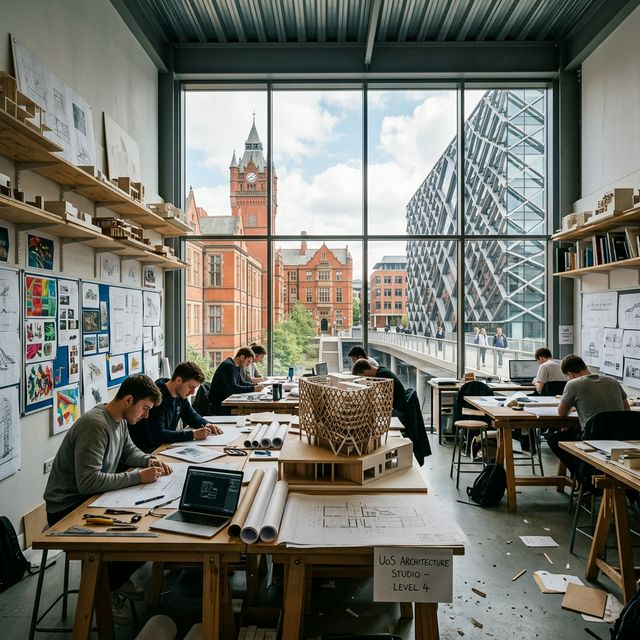

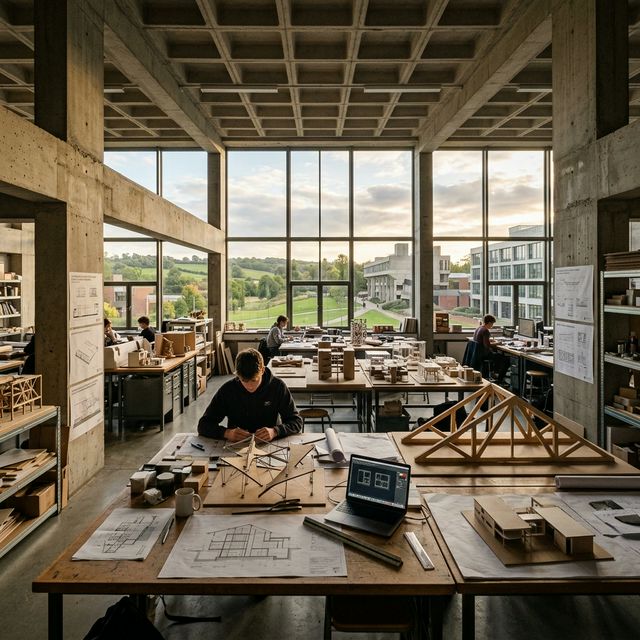
What comes next? 🎓
Choosing the right university starts with choosing the right school. Explore transparent, data-driven school profiles powered by official DfE statistics.
Explore Schools on WhatSchool.ai →