BA Modern Languages And Media
About this course
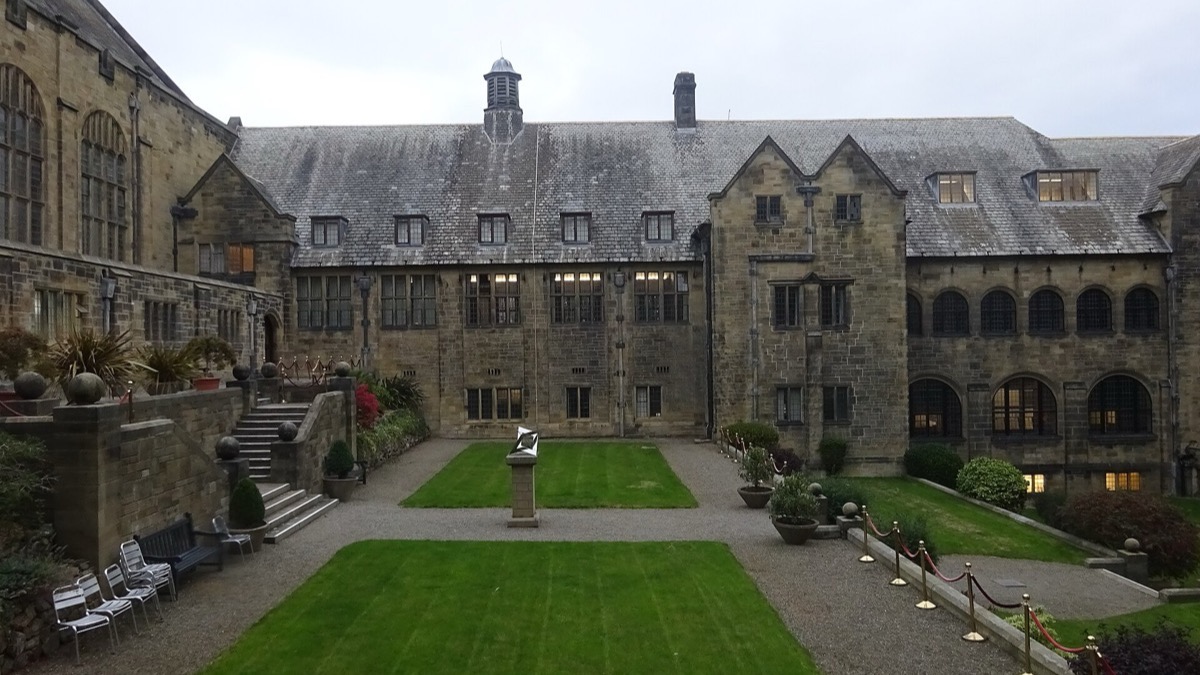
Modern languages and media is a combination that makes particular sense in a world where communication crosses cultural and linguistic borders constantly, and where the ability to understand both the language and the media environment of another culture opens doors that monolingual professionals cannot access. Language study develops your cognitive flexibility, your precision with meaning, and your capacity to understand how ideas translate across cultural contexts. Media studies adds frameworks for analysing how information is produced, distributed, and received, and how power shapes what gets heard and by whom. At Bangor University, this four-year full-time programme combines serious language study with engagement with contemporary media in its many forms. You will develop proficiency in at least one modern language while also studying media theory, digital communication, journalism, creative content production, and the cultural dimensions of media systems in different national contexts. A foundation year is available for students who would benefit from additional preparation, a sandwich year places you in a professional setting for a sustained period, and work placement experience runs throughout the programme, ensuring that your theoretical learning is regularly tested against professional practice. Graduates are well placed for careers in international journalism, broadcasting, digital communications, public relations, translation and interpreting, international marketing, and roles in cultural organisations and public bodies with an international remit. The combination of language skills and media literacy is valued across many sectors, particularly as organisations increasingly need to communicate across linguistic and cultural boundaries. Postgraduate study in translation, media and communications, journalism, or area studies is a natural progression for those who wish to specialise or pursue research.
Syllabus & Modules
Typical curriculumStudent Satisfaction
National Student Survey - 25 respondents (79% response rate)
Similarly Ranked Alternatives


What comes next? 🎓
Choosing the right university starts with choosing the right school. Explore transparent, data-driven school profiles powered by official DfE statistics.
Explore Schools on WhatSchool.ai →