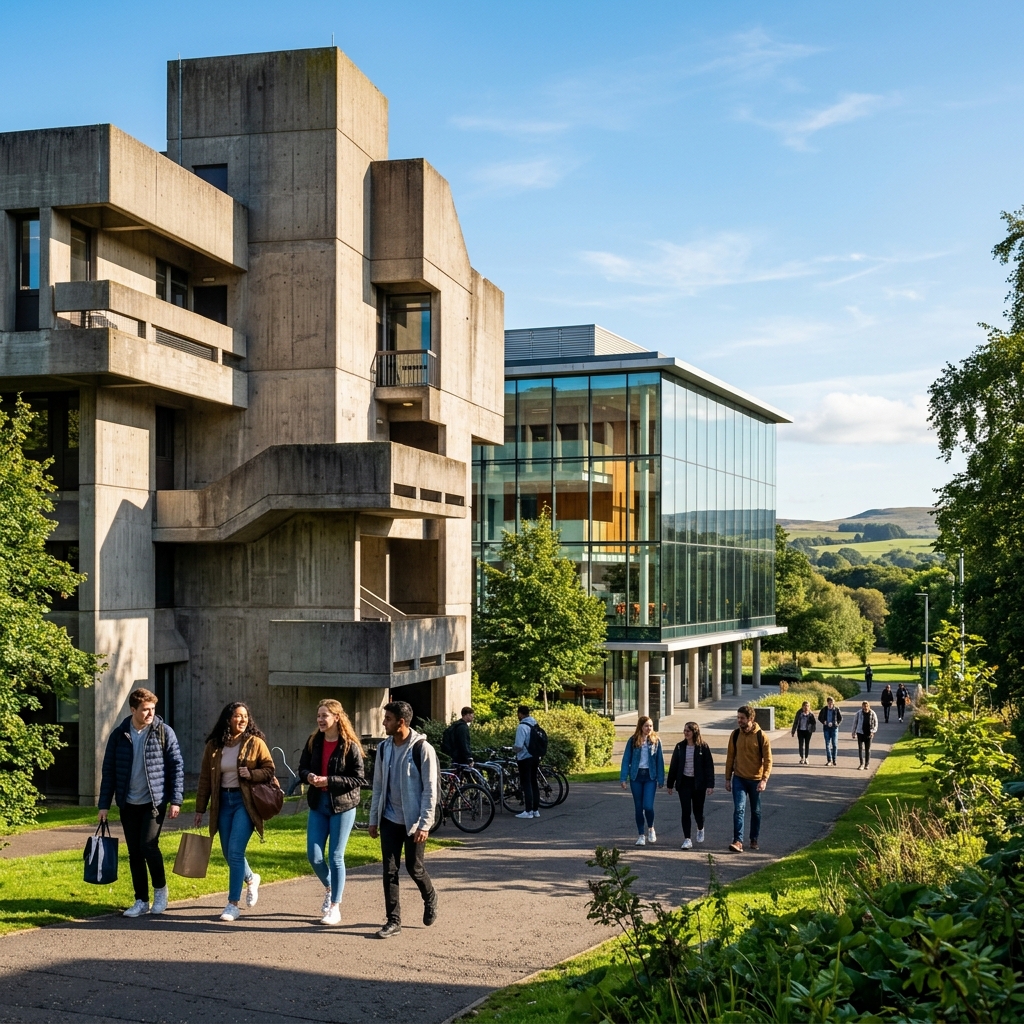
MA Modern Languages, Communication and Cultures with German
About this course
Language study at degree level is far more than acquiring vocabulary and grammar. At Heriot-Watt University, the MA in Modern Languages, Communication and Cultures with German takes you from foundational competence to genuine proficiency in German while simultaneously developing your understanding of communication as a social and cultural practice. The programme runs over four years and includes both a sandwich year in industry and a year abroad, giving you substantial real-world experience alongside your academic study. Work placement is embedded in the degree, meaning you will have the opportunity to apply your language skills in a professional context before you graduate. Heriot-Watt has particular strengths in the intersection of language and professional communication. You will study how language works not just as a system of signs but as a tool for shaping understanding, negotiating meaning, and navigating cultural difference. This lens is especially valuable in the context of German, a language central to European business, science, engineering, and policy. Your studies will take in areas such as translation, intercultural communication, and the relationship between language and identity, while the year abroad immerses you in a German-speaking environment where you can consolidate your skills in authentic contexts. The programme combines rigorous linguistic training with genuine cultural depth. The careers open to graduates of this programme are broad. The combination of advanced German, communication expertise, and professional experience gained during the placement year is genuinely attractive to employers in sectors including international business, diplomacy, the European institutions, media and publishing, translation and interpreting, marketing, and public relations. Many graduates move into roles requiring cross-cultural collaboration or direct use of German, whether in the UK or abroad. Others go on to postgraduate study in areas such as translation, linguistics, European studies, or international relations. The intercultural sensitivity and communication skills developed throughout the programme also serve well in sectors such as education, the civil service, and the voluntary sector.
Syllabus & Modules
Typical curriculumStudent Satisfaction
National Student Survey - 35 respondents (94% response rate)
Similarly Ranked Alternatives


What comes next? 🎓
Choosing the right university starts with choosing the right school. Explore transparent, data-driven school profiles powered by official DfE statistics.
Explore Schools on WhatSchool.ai →