BA Music and Global Development
About this course
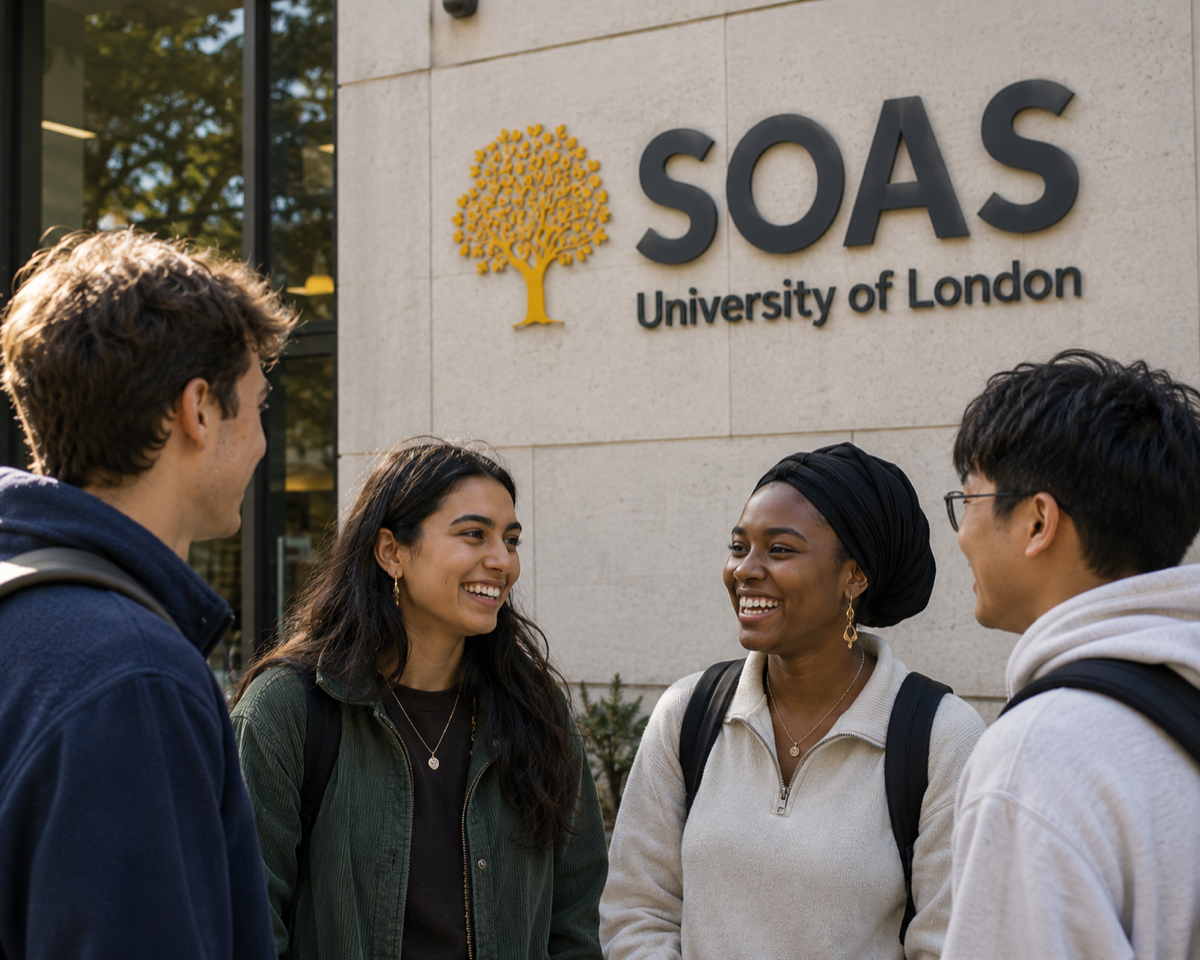
Music and global development is a combination that asks what the relationship is between artistic practice and the transformation of communities and societies. Music is not simply entertainment or aesthetic experience: it is a medium through which cultures express identity, transmit values, build solidarity, and respond to social and political conditions. Global development examines the forces that produce poverty, inequality, and exclusion at international scale, and the forms of intervention that can support communities in building fairer and more flourishing futures. Studying them together invites you to think seriously about how artistic and cultural practice can contribute to social change, and how global inequalities shape what music is made, heard, and valued. At the School of Oriental and African Studies, this three-year full-time programme benefits from SOAS's unique position as a centre for the study of the cultures and societies of Asia, Africa, and the Middle East. You will engage with music from these traditions not simply as performance but as cultural production situated in specific historical, social, and political contexts, alongside rigorous academic study of development theory, global inequalities, and the politics of international aid and intervention. The programme includes a foundation year for students who would benefit from additional preparation before the main degree content begins. With a typical entry tariff of 120 UCAS points, this programme attracts students who want to connect cultural knowledge with a commitment to social justice. Graduates pursue careers in international development organisations, arts-based community development, cultural policy, music education, NGOs, humanitarian programmes, the creative industries, and the many organisations that work at the intersection of culture and development. Many continue to postgraduate study in ethnomusicology, development studies, global governance, or cultural policy.
Syllabus & Modules
Typical curriculumStudent Satisfaction
National Student Survey - 40 respondents (68% response rate)
Similarly Ranked Alternatives

What comes next? 🎓
Choosing the right university starts with choosing the right school. Explore transparent, data-driven school profiles powered by official DfE statistics.
Explore Schools on WhatSchool.ai →