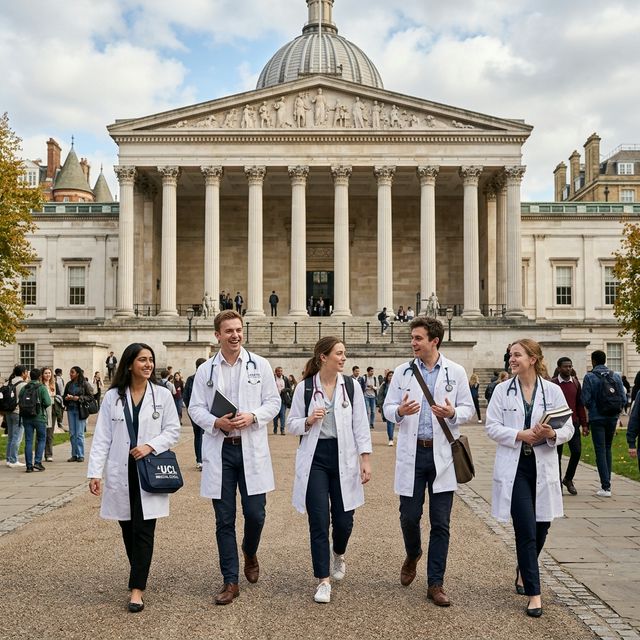
BSc Nutrition and Medical Sciences
About this course
Nutrition and medical sciences is a degree that sits at the meeting point of biochemistry, physiology, and clinical medicine. It asks how what we eat affects our health at the molecular, cellular, and whole-body level, and how nutritional science can be applied to the prevention and management of disease. Nutrition is no longer a peripheral concern in medicine: the relationships between diet and conditions such as cardiovascular disease, type 2 diabetes, obesity, cancer, and mental health are now areas of active research and clinical priority. This three-year full-time programme at University College London brings the depth and rigour of UCL's medical sciences to the study of nutrition. You will develop a sophisticated understanding of how nutrients are absorbed, metabolised, and utilised by the body, how nutritional needs vary across the life course and in different physiological states, and how epidemiological and clinical research is used to establish the evidence base for dietary recommendations. With a typical tariff of 152 points, the programme is highly selective and expects a strong foundation in the biological sciences. UCL's position as one of the UK's leading research universities means you will study in an environment shaped by active research in nutrition, metabolism, and clinical medicine. You will engage with research methods, data interpretation, biochemistry, and the physiological basis of disease alongside more applied topics in public health nutrition and dietary assessment. The combination of scientific depth and medical context gives you a versatile and highly regarded qualification that is recognised by employers and postgraduate programmes across the health and life sciences sectors. Graduates from nutrition and medical sciences programmes move into careers in dietetics (with further professional training), nutritional research, pharmaceutical and biomedical industries, public health, food policy, science communication, and healthcare. Many continue to postgraduate study or professional training, and the rigour of a UCL degree in this field is recognised internationally.
Syllabus & Modules
Typical curriculumStudent Satisfaction
National Student Survey - 25 respondents (83% response rate)
Similarly Ranked Alternatives



What comes next? 🎓
Choosing the right university starts with choosing the right school. Explore transparent, data-driven school profiles powered by official DfE statistics.
Explore Schools on WhatSchool.ai →