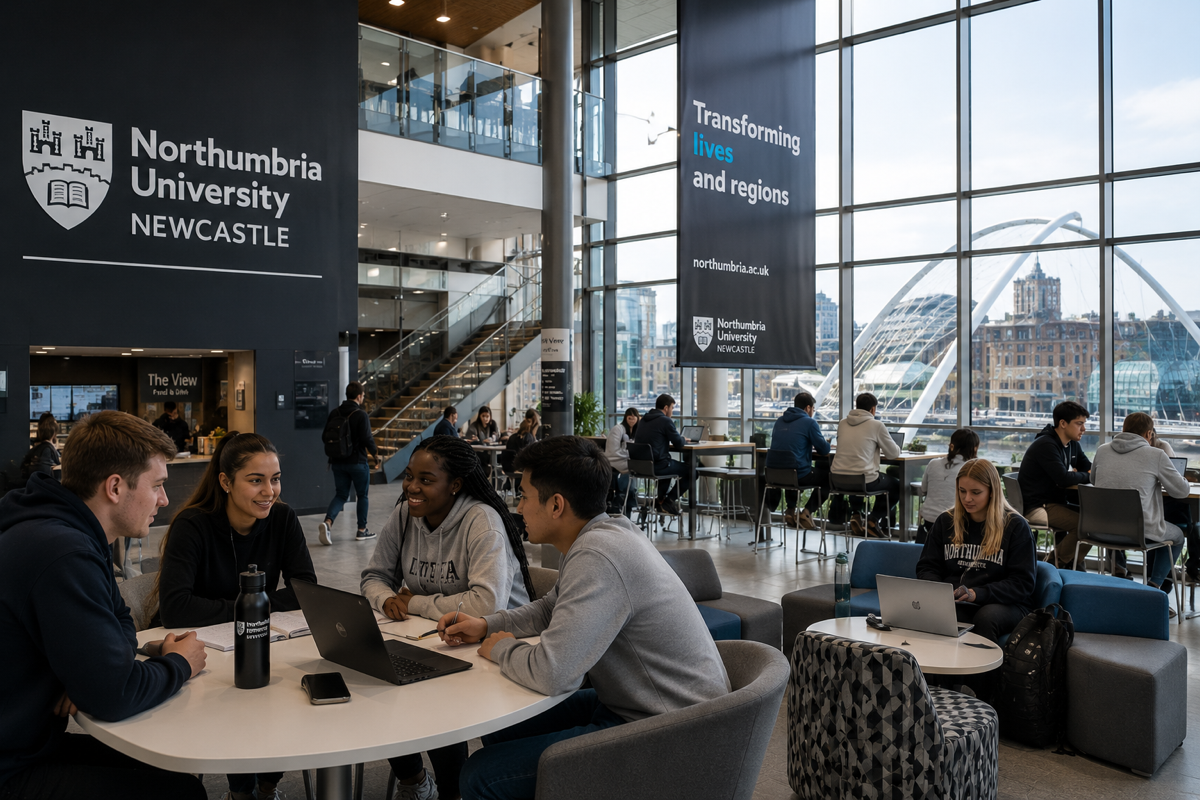
BSc Occupational Therapy (Extended Degree)
About this course
Occupational therapy is the health profession concerned with enabling people to engage in the activities, or occupations, that are meaningful to them. When illness, disability, accident, or ageing disrupts a person's ability to perform the tasks of everyday life, whether that means getting dressed, cooking, working, or participating in the social activities that matter to them, occupational therapists assess the barriers and work with the person to overcome them. The profession is grounded in the understanding that meaningful activity is itself therapeutic, and that health and wellbeing depend on being able to do the things that give life its shape and purpose. At Northumbria this four-year extended degree develops your theoretical and practical competence across the full scope of occupational therapy practice. The extended format gives you additional depth of study alongside the clinical placements that are fundamental to the professional qualification. You will develop your understanding of occupational science, human development, health conditions and their consequences, therapeutic approaches, and the assessment and intervention skills that practitioners use in hospitals, community settings, schools, workplaces, and rehabilitation centres. The programme leads to registration with the Health and Care Professions Council. Qualifying as an occupational therapist opens a career across the NHS, local authority social services, the independent sector, and increasingly in community and voluntary organisations. Working with children with developmental difficulties, adults recovering from stroke or injury, older people with dementia, and people with mental health conditions are all dimensions of the role. Specialisation in areas such as neurological rehabilitation, mental health, paediatrics, or hand therapy develops with experience. Leadership, research, and academic roles are available for those who pursue postgraduate study in occupational therapy or a related field. The profession is growing in recognition and in demand.
Syllabus & Modules
Typical curriculumStudent Satisfaction
National Student Survey - 40 respondents (87% response rate)
Similarly Ranked Alternatives

What comes next? 🎓
Choosing the right university starts with choosing the right school. Explore transparent, data-driven school profiles powered by official DfE statistics.
Explore Schools on WhatSchool.ai →