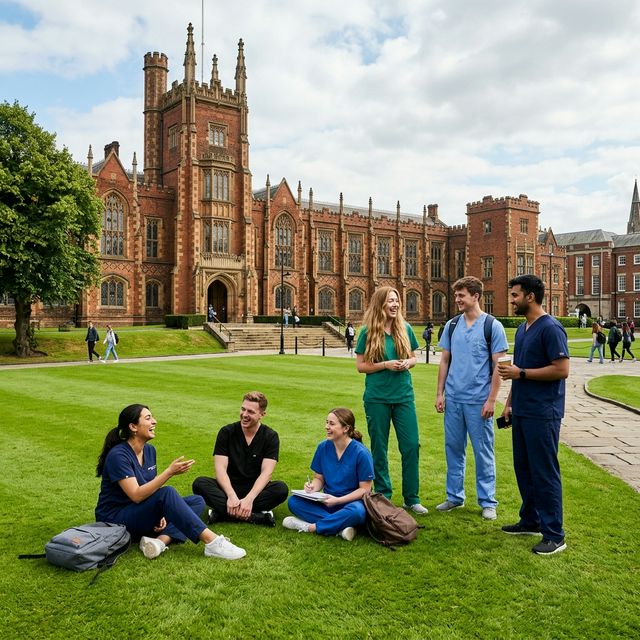
BSc Pharmaceutical Biotechnology (Sandwich)
About this course
Pharmaceutical biotechnology sits at the intersection of biological science and pharmaceutical manufacturing, applying the tools of molecular biology, cell culture, and bioprocess engineering to the development and production of biological medicines. Unlike traditional pharmaceuticals derived from chemical synthesis, biopharmaceuticals, including monoclonal antibodies, recombinant proteins, vaccines, and gene therapies, are produced using living cells and biological systems. The precision required to develop and manufacture these complex products reliably and safely at scale makes pharmaceutical biotechnology one of the most demanding and scientifically exciting fields available to study. At Queen's University Belfast this four-year programme includes a sandwich component that provides professional experience in the biopharmaceutical industry. You will develop cutting-edge skills and knowledge across drug discovery and development, biomanufacturing, and precision medicine, gaining hands-on experience with industry-leading technologies. Queen's has strong links with global pharmaceutical and biotechnology companies, which supports both placement opportunities and the practical relevance of the programme content. The degree covers the biology and biochemistry of therapeutic molecules alongside the engineering and quality assurance principles needed to translate them from laboratory to manufacturing scale, equipping you for the full range of roles in an industry experiencing significant growth driven by demand for biologics, vaccines, and gene therapies. Graduates find careers in pharmaceutical and biotechnology companies in research and development, process development, quality assurance and control, regulatory affairs, and biomanufacturing. The biopharmaceutical sector is one of the fastest-growing areas of employment in the life sciences, with significant opportunities in the UK, Ireland, Europe, and the United States. The combination of scientific depth and industry experience from the sandwich placement is valued particularly strongly by employers. Many graduates also continue to postgraduate study in pharmaceutical sciences, biotechnology, or related fields, contributing to the research and development pipeline for new biological medicines.
Syllabus & Modules
Typical curriculumStudent Satisfaction
National Student Survey - 15 respondents (79% response rate)
What comes next? 🎓
Choosing the right university starts with choosing the right school. Explore transparent, data-driven school profiles powered by official DfE statistics.
Explore Schools on WhatSchool.ai →